Just like people, pets can face injuries, aches, and movement problems that make their lives harder. When your furry friend starts limping, slowing down, or acting uncomfortable, it’s a sign they might need extra help to feel better. That’s where animal physiotherapy comes in. This form of pet rehabilitation therapy is a safe and natural …

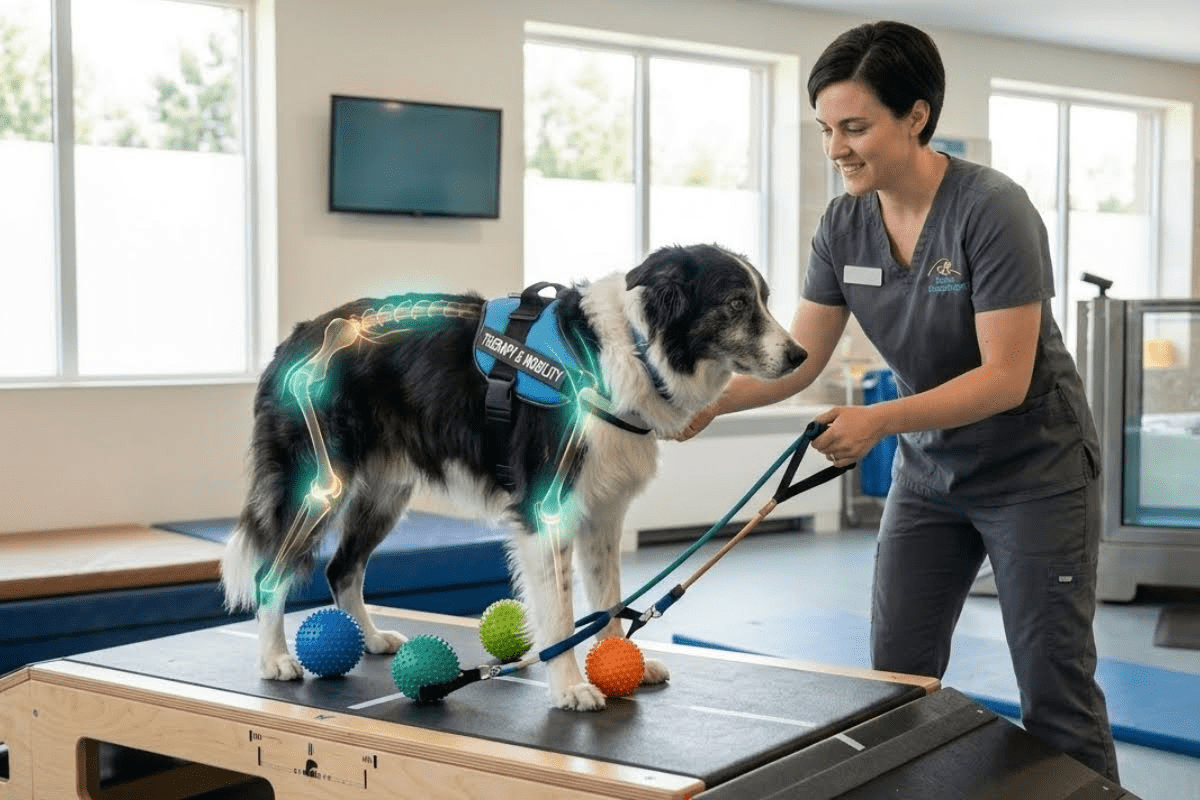
Just like people, pets can face injuries, aches, and movement problems that make their lives harder. When your furry friend starts limping, slowing down, or acting uncomfortable, it’s a sign they might need extra help to feel better. That’s where animal physiotherapy comes in.
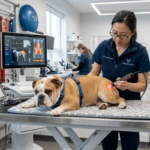
This form of pet rehabilitation therapy is a safe and natural way to help animals heal from pain, recover after surgery, and stay strong and active. It uses special exercises, massage, and other gentle treatments to improve movement and reduce discomfort. This type of care isn’t just for sick or injured pets; it can benefit animals of all ages and activity levels by promoting a happier, healthier life.
In this article, we’ll explore how physical therapy for pets works, the most common conditions it helps with, and how it can make a big difference in your pet’s well-being.
Common Bone and Joint Problems
Many pets visit physiotherapists because of problems with their bones, joints, or muscles. These issues can make moving hard and painful. Pet rehabilitation therapy helps by strengthening these areas and improving flexibility.
Arthritis: A Common Problem in Pets
Arthritis happens when the joints become painful and stiff. It is very common in older pets but can affect younger ones, too. When pets have arthritis, they may walk slowly, limp, or avoid playing. Animal physiotherapy helps pets with arthritis by using gentle exercises that make joints less stiff and muscles around the joints stronger. Therapists may also use massages or special treatments like laser therapy to reduce pain and swelling. These therapies help pets move more easily and enjoy their daily activities again.
Hip Dysplasia: Trouble With the Hip Joint
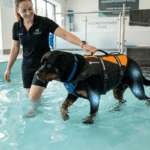
Hip dysplasia is a condition where the hip joint does not develop properly. It can cause pain and difficulty walking. Large dog breeds often have this problem, but it can happen to any pet. Pet physical therapy focuses on strengthening the muscles around the hip to support the joint. Exercises and water therapy (hydrotherapy) are often used to help pets move without hurting their hips. Physiotherapy can help pets feel less pain and stay active longer.
Injuries to Ligaments: Healing After a Tear
Ligaments are strong bands that hold bones together in joints. Sometimes, pets tear a ligament, especially in their knees. This often happens while running or jumping. Surgery is usually needed to fix this problem, but physiotherapy is very important after surgery. With physiotherapy, pets do special exercises to regain strength and balance. Therapists also use hands-on treatments to keep the joint moving well and stop muscles from shrinking. This care helps pets heal faster and avoid new injuries.
How Physiotherapy Helps Pets With Nervous System Problems
Animal physiotherapy is not just for bones and muscles. It can also help pets with problems in their nervous system, like the brain, spinal cord, and nerves.
Intervertebral Disc Disease (IVDD): Spinal Problems in Pets
IVDD happens when the discs in a pet’s spine get damaged and press on nerves. This can cause pain, weakness, or even paralysis. It is common in some dog breeds, but it can affect any pet. Physiotherapy helps by making the muscles around the spine stronger and encouraging the nerves to heal. Therapists use exercises and massages to help pets regain movement and reduce pain. Many pets with IVDD recover better and faster with regular physiotherapy.
Recovering From a Stroke
Just like humans, pets can have strokes. A stroke happens when blood flow to the brain is blocked. It can cause weakness, loss of balance, or trouble walking. Pet rehabilitation therapy helps pets recover from strokes by retraining their muscles and nerves. Therapists guide pets through simple exercises that improve coordination and strength. This care can help pets get back to normal activities and enjoy life more fully.
Healing Muscle and Soft Tissue Injuries With Physiotherapy
Injuries to muscles and tendons can make pets painful and less active. Physiotherapy offers gentle ways to heal these injuries and keep pets moving.
Tendon Injuries: Helping Pets Bounce Back
Tendons connect muscles to bones. When a tendon is injured, pets may limp or avoid putting weight on a leg. Physiotherapy uses treatments like ultrasound and massage to reduce swelling and help the tendon heal. Careful exercises help keep joints moving while the tendons repair. With therapy, pets heal faster and get back to their playful selves sooner.
Muscle Strains: Fixing Sore Muscles
Muscle strains happen when pets stretch or strain their muscles. This can cause soreness and difficulty moving. Pet physical therapy helps by using massage to relax muscles and gentle stretches to improve flexibility. Therapists also guide pets through strengthening exercises. This speeds healing and lowers the chance of future strains.
Why Physiotherapy Is Important After Surgery
Surgery can help fix many pet health problems, but it often leaves pets weak or stiff. This physiotherapy supports recovery and helps pets get strong again.
Recovering From Bone Surgery
When pets have surgery on bones or joints, like fixing a broken leg or replacing a joint, they need to regain strength and motion afterward. Physiotherapy helps by using exercises to improve movement and rebuild muscles.
Therapists may also use massage or heat therapy to reduce swelling and pain. This care helps pets heal well and return to their normal activities faster.
Healing After Nervous System Surgery
Surgery on the brain or spine requires extra care. Physiotherapy helps pets recover by improving nerve function and muscle control. Exercises and balance training help pets regain coordination. This therapy is key for pets to live a happy, independent life after surgery.
Helping Overweight and Older Pets With Physiotherapy
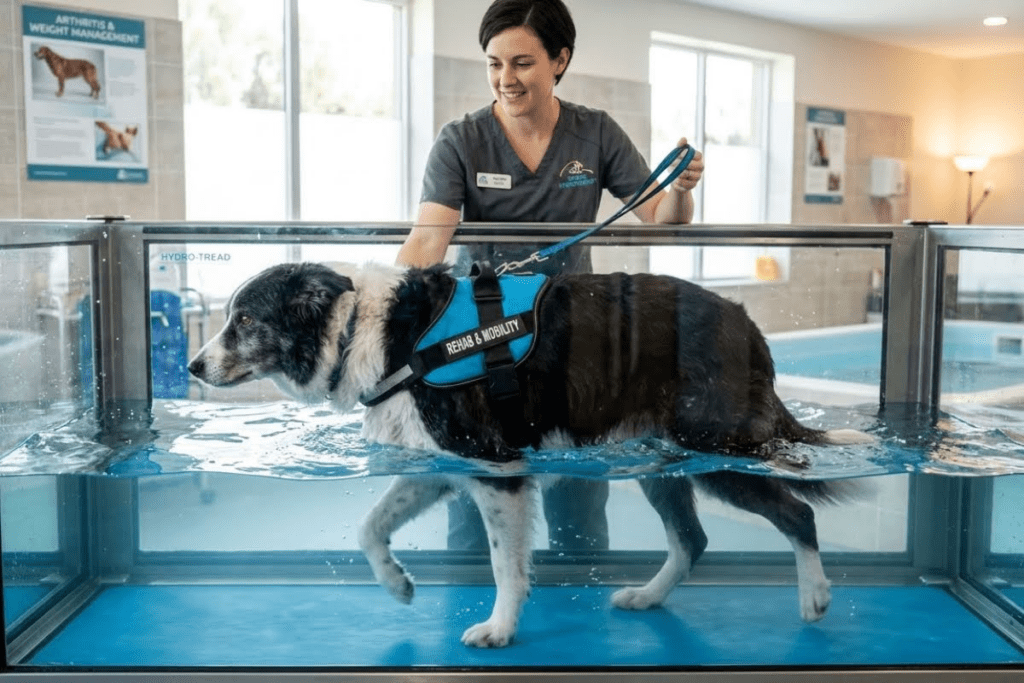
Animal physiotherapy is useful for pets who are overweight or older. Both groups often have trouble moving comfortably.
Managing Weight Through Exercise
Extra weight puts stress on joints and makes pets tired. Physiotherapists create safe exercise plans to help pets lose weight without hurting themselves. These plans often include walking, swimming, or low-impact activities that build strength and burn fat.
Supporting Older Pets
As pets age, their muscles weaken, and joints can become painful. Physiotherapy offers gentle exercises to keep joints flexible and muscles strong. Therapists also use massage and heat to reduce stiffness and pain. This care helps older pets stay active and enjoy their golden years.
Final Thoughts
Pet physiotherapy offers many benefits. It helps pets recover from injuries, manage pain, and improve movement. Whether your pet has arthritis, hip problems, nervous system issues, or just needs to get stronger after surgery, physiotherapy can help.
With regular therapy, your pet can live a happier and healthier life. Working with a skilled animal physiotherapist means your pet gets the right care at the right time. If you notice your pet struggling to walk, playing less, or recovering slowly, consider pet rehabilitation therapy. It could be the key to better health and more joyful days for your furry friend.
Give your pet the gift of pain-free movement and renewed energy! Visit Vitailix now and unlock expert animal physiotherapy designed to bring out the best in your furry friend.
Animal Physiotherapy Treatments Frequently Asked Questions
Q: How long does a typical pet rehabilitation session last?
Most sessions last between 30 to 60 minutes, depending on the pet’s condition, age, and tolerance level. The duration is tailored to ensure effective treatment without causing fatigue.
Q: Can pet physiotherapy be used alongside medication?
Yes, physiotherapy often complements medication and other treatments, providing a holistic approach that enhances healing and pain management.
Q: How soon after an injury or surgery should physiotherapy begin?
The start time varies; some cases require immediate post-operative care, while others need a healing period first. Always follow your veterinarian’s guidance to determine the best time to begin.
Q: Are there any risks or side effects of pet physiotherapy?
When performed by qualified therapists, physiotherapy is generally safe. However, over-exertion or inappropriate techniques can cause discomfort, so sessions are carefully monitored.
Q: How do I know if my pet needs physiotherapy?
Signs include difficulty walking, limping, reluctance to jump or climb stairs, stiffness, or slower recovery from injury. A veterinary assessment can confirm the need.