If your pet has started to gain weight, you’re not alone. According to the Association for Pet Obesity Prevention, 60% of cats and 56% of dogs in the U.S. were overweight or obese in 2018. This condition might seem harmless at first, but the long-term risks can seriously affect your pet’s quality of life. Obesity …

If your pet has started to gain weight, you’re not alone. According to the Association for Pet Obesity Prevention, 60% of cats and 56% of dogs in the U.S. were overweight or obese in 2018. This condition might seem harmless at first, but the long-term risks can seriously affect your pet’s quality of life. Obesity in dogs can lead to joint pain, trouble breathing, reduced mobility, and even life-threatening conditions like diabetes, cancer, and heart disease.
Fortunately, there are natural, non-medical treatments available that can help manage your pet’s weight safely and effectively. These methods focus on simple, sustainable changes at home without the need for medication or harsh interventions.
What Is Pet Obesity?
Pet obesity is the buildup of excess fat due to a long-term imbalance between calorie intake and calorie output. This means your pet consumes more energy (food) than they use through physical activity. Over time, this leads to noticeable weight gain and fat accumulation that impacts the body’s ability to function efficiently.
Obesity is more than a visual problem—it causes strain on internal organs, contributes to serious health complications, and significantly shortens a pet’s lifespan. It’s important to recognize the early warning signs and take prompt action before complications develop.
Symptoms of Obesity in Pets
A rounder body shape and lack of a defined waistline are common early signs of weight gain in pets. As the condition progresses, fat deposits become more obvious around the abdomen and chest area. Many pets begin to struggle with grooming because excess fat makes it harder for them to reach certain areas.
You might also notice a general reduction in movement and playfulness. Pets become less enthusiastic about daily activities, often appearing tired or reluctant to move. They may also show signs of labored breathing even after short periods of activity, which is a warning that excess weight is affecting their lungs and heart.
What Causes Obesity in Pets?
Environmental Factors
Overfeeding is one of the most common reasons pets become overweight. Giving too many treats, feeding table scraps, or offering large portions without monitoring calorie intake can all contribute. Even if a pet eats healthy food, too much of it will still lead to weight gain. Inactive lifestyles, especially for indoor pets, play an equally large role in weight gain. Without enough exercise, even a modest diet can lead to excess fat storage.
Physical and Breed-Related Factors
Age also influences your pet’s metabolism. Older pets, especially those over five, are less active and require fewer calories. However, many pet owners continue feeding the same portions they gave when the pet was younger and more energetic. Certain breeds are genetically prone to obesity, such as Beagles, Dachshunds, Labrador Retrievers, and Spaniels, which makes it even more important to monitor diet and activity levels closely.
Surgical Changes
Spaying or neutering affects your pet’s hormone balance. After surgery, their metabolism slows down while their appetite tends to increase. This can cause unwanted weight gain if their diet and activity levels are not adjusted accordingly. Pets often become less energetic post-surgery, which further reduces calorie burn.
Medication Side Effects
Some medications, like anti-seizure drugs, can increase appetite, leading pets to eat more than necessary. Glucocorticoids are another class of drugs that can lead to fat buildup around the belly and chest. These side effects are common and should be managed through controlled feeding and exercise with the help of your vet.
Health Conditions
Underlying health issues such as hypothyroidism, insulinoma, or Cushing’s disease can cause weight gain that’s difficult to control. These conditions often slow down metabolism or increase hunger. In such cases, it’s crucial to treat the root cause in addition to managing the weight gain itself.
Non-Medical Treatments for Obesity in Dogs
Adjust Your Pet’s Diet
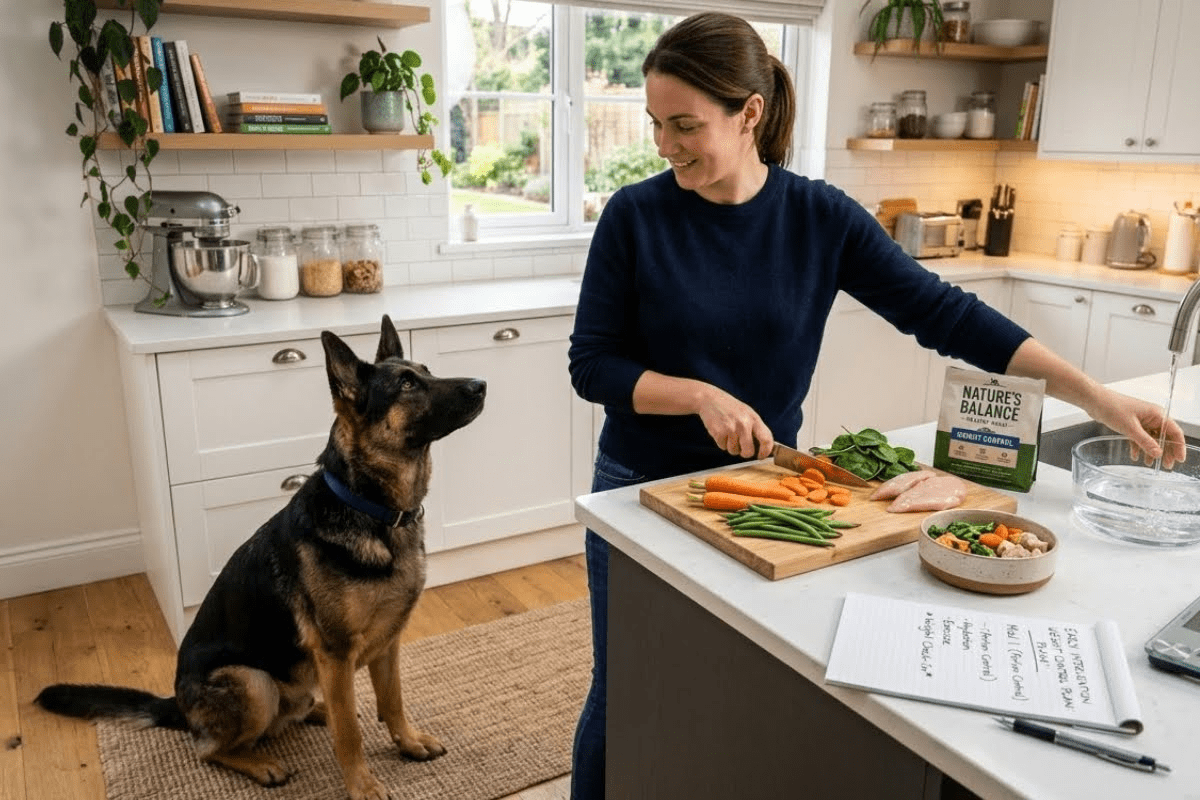
A good place to start is the food bowl. Switch to low-fat, high-protein foods that are specifically formulated for weight control. Avoid high-calorie treats and table scraps, which are often loaded with fats and additives. Replace traditional treats with pet-safe vegetables like carrots or green beans, which are filling but low in calories.
If your pet eats too quickly, consider slow-feeder bowls or food puzzles. These tools can help your pet feel fuller while reducing the speed of consumption, which is especially helpful in controlling overeating. Make sure to use a measuring cup when serving meals to avoid overfeeding, even with diet food.
Reduce Calorie Intake
Cutting calories doesn’t mean starving your pet. It means making smart adjustments. Break daily meals into two or three smaller servings to help regulate hunger. Avoid free-feeding, where food is always available, as it encourages overeating. Choose foods with fewer calories per cup and always check the nutritional label for guidance.
Consistency is key. Sudden changes in diet can confuse your pet and lead to food refusal or digestive issues. Transition to a weight-loss plan gradually and stick to it without frequent changes.
Get Your Pet Moving
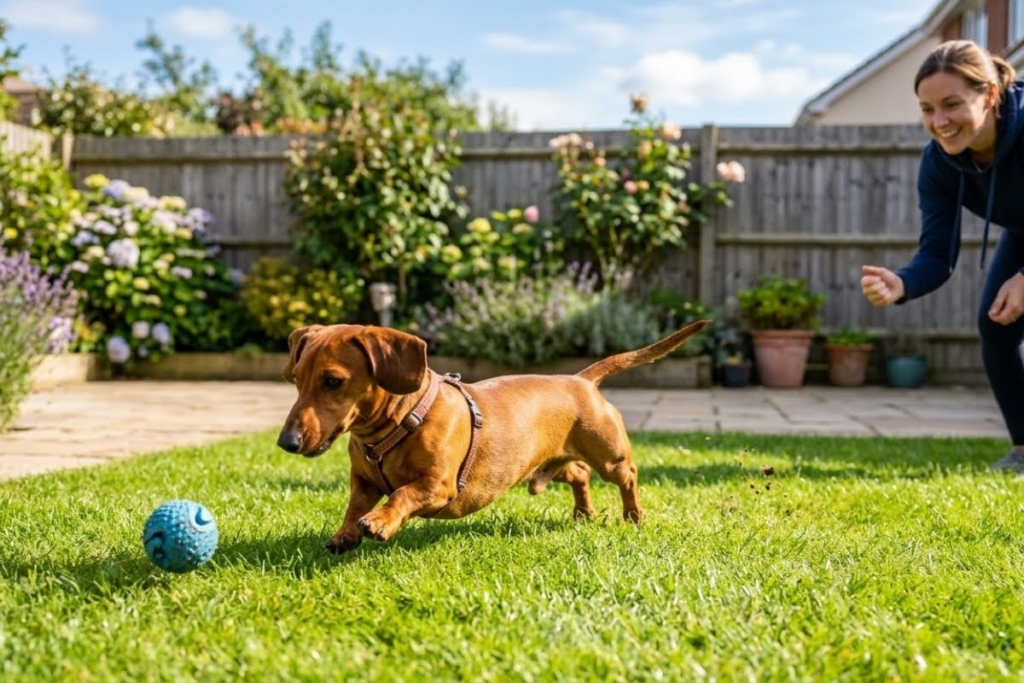
Exercise is essential in managing pet obesity. Start with manageable routines, especially if your pet is significantly overweight. Begin with short walks once or twice a day, then slowly increase the duration. As their stamina improves, try adding interactive play like fetch or chase games using toys they enjoy.
Swimming is an excellent low-impact option, especially for dogs with joint pain. It burns calories while being gentle on the joints. You can also use a pet treadmill at home if walking outside isn’t always possible. Even 20 to 30 minutes of exercise daily makes a big difference in your pet’s energy balance.
Mental exercise matters too. Training sessions keep your pet active and alert while also strengthening your bond. Trips to the dog park or pet daycare provide both physical exercise and social stimulation, which are great for pets who tend to be lonely or bored.
Make Lifestyle Adjustments
Small daily habits go a long way. Feed your pet at consistent times every day and keep treats out of sight to avoid temptation. Instead of using treats as rewards, try verbal praise or playtime. Create routines that include set mealtimes, exercise sessions, and even scheduled grooming, which can help burn calories and keep your pet engaged.
Monitoring progress is crucial. Weigh your pet every two to three weeks and keep a record. Look out for subtle signs of improvement, like better movement, increased energy, and visible changes in body shape. Gradual weight loss is the safest and most effective approach.
Consult Your Veterinarian First
Before starting any weight loss plan, always check in with your veterinarian. They can confirm if your pet is overweight, suggest safe diet changes, and rule out any hidden health problems. A vet-guided plan ensures that your pet loses weight in a healthy, controlled way and stays nourished during the process.
Why Managing Obesity in Pets Matters
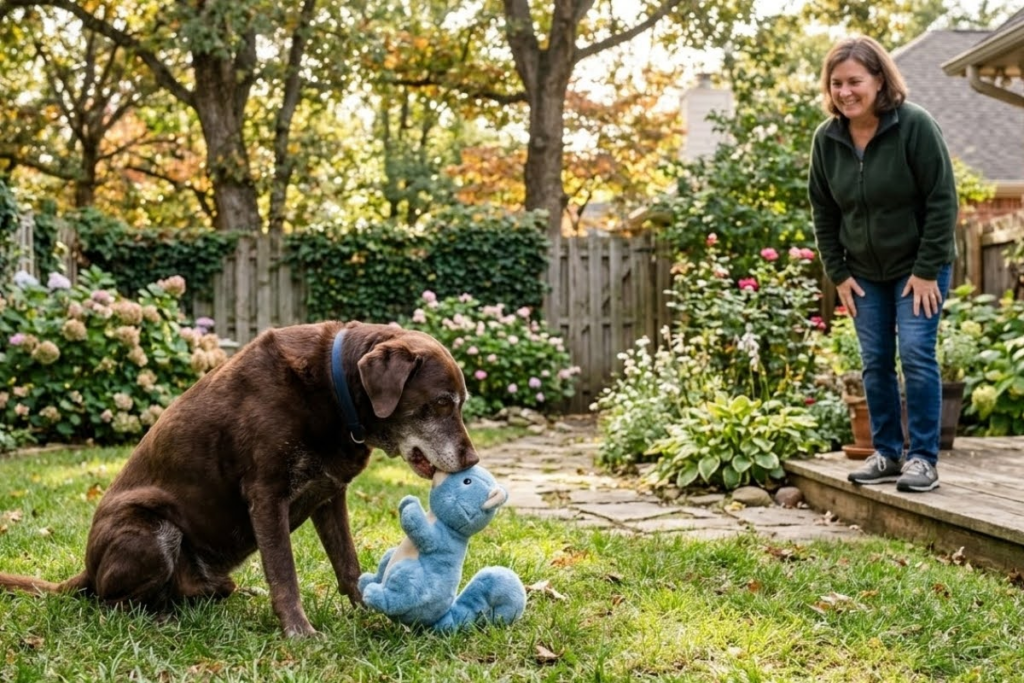
Helping your pet lose weight isn’t just about how they look—it’s about how they feel and function. Obesity can take years off their life, but with the right care, pets can live longer, more active lives. Managing obesity in dogs through non-medical methods is possible and often the most sustainable long-term approach. Sticking to a healthy diet, consistent exercise, and simple lifestyle routines is often enough to bring your pet’s weight under control. It just takes a little effort, patience, and a lot of love.
Conclusion
Pet obesity poses serious risks to your furry companion’s health, including joint issues, heart disease, and a shorter life span. The good news is that you don’t need medication to address it. With the right combination of proper nutrition, regular physical activity, and consistent daily routines, you can help your pet lose weight naturally. Always begin with a visit to your vet, then commit to long-term habits that support your pet’s wellness. Even small changes can lead to big improvements over time. Your pet deserves a happy, healthy life—start today by making those healthy choices.
Don’t wait for health issues to arise. Take simple steps today to fight obesity in pets and help your pet enjoy a longer, happier life—naturally and safely.
Canine Obesity Frequently Asked Questions
1. Can I help my pet lose weight without medication?
Yes, most cases can be managed with balanced diets, portion control, and regular exercise at home.
2. How much exercise does an overweight pet need?
Start with 20–30 minutes a day. Increase gradually as your pet becomes more active and builds stamina.
3. What’s the best food for pets trying to lose weight?
Choose high-protein, low-fat commercial pet food designed for weight control. Ask your vet for a specific brand.
4. Are there healthy treats I can give my overweight pet?
Yes, try low-calorie options like carrots, green beans, or apple slices (without seeds). Avoid fatty, store-bought treats.5. How can I tell if my pet is at a healthy weight?
You should be able to feel your pet’s ribs without pressing too hard and see a visible waist when viewed from above.