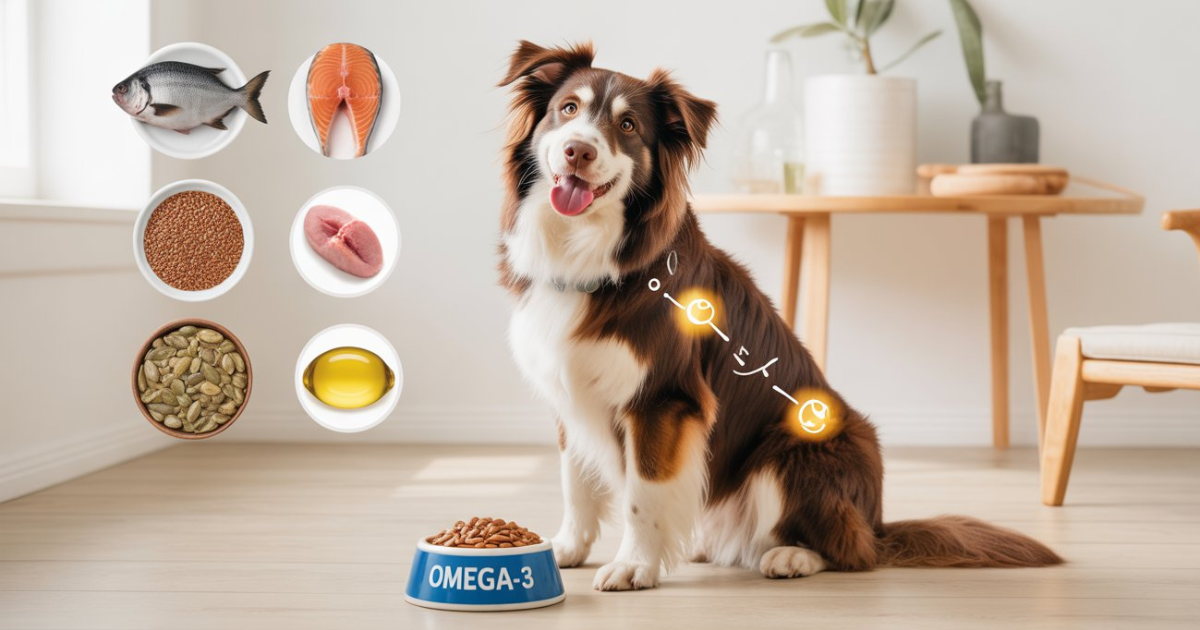
Just like humans, dogs need a wide range of nutrients to grow, stay active, and live healthy lives. Vitamins are critical to supporting their immune system, brain function, metabolism, and cellular repair. While many dog foods claim to be “complete and balanced,” the reality is that not all pets get enough of the essential nutrients …

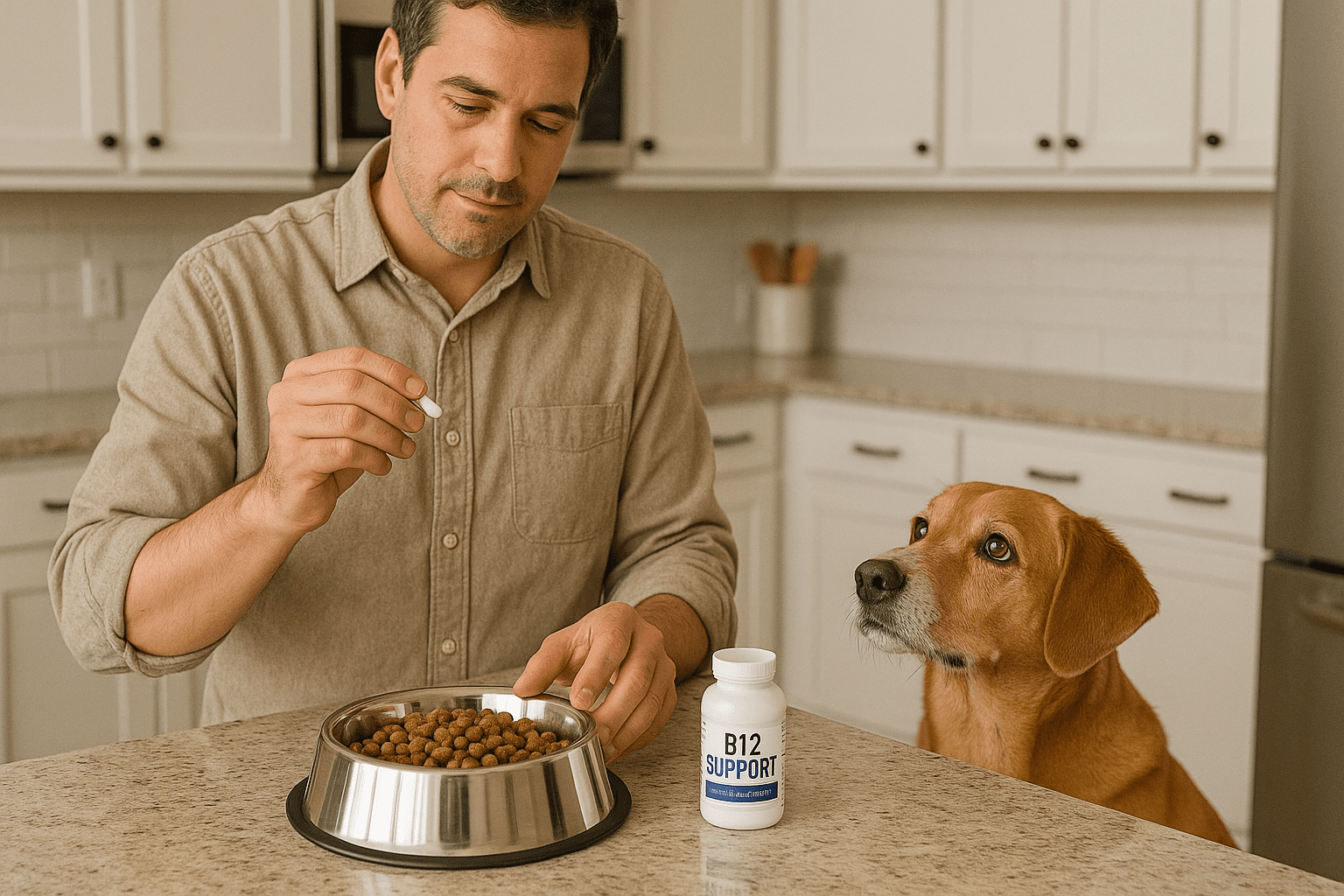
Just like humans, dogs need a wide range of nutrients to grow, stay active, and live healthy lives. Vitamins are critical to supporting their immune system, brain function, metabolism, and cellular repair. While many dog foods claim to be “complete and balanced,” the reality is that not all pets get enough of the essential nutrients they need, especially vitamin B12 for dogs.
Dogs that are fed low-quality kibble or homemade diets without proper supplements may be at risk of deficiencies. Even those on quality commercial diets can sometimes develop vitamin-related health issues, particularly if they have a medical condition or breed-specific needs.
What Is Vitamin B12 and Why Do Dogs Need It?
Vitamin B12, also known as cobalamin, is a water-soluble vitamin found naturally in animal-based proteins. This essential nutrient plays a major role in your dog’s health. It supports:
- Brain and nervous system function
- Formation of red blood cells
- Healthy digestion and intestinal balance
- Overall cellular health and energy production
Without enough B12, your dog may struggle with everything from tiredness to neurological issues. That’s why a vitamin B12 supplement for dogs is one of the most important nutrients in their diet.
Causes of Vitamin B12 Deficiency in Dogs
1. Poor Diet Quality
Dogs who eat low-quality commercial food or unbalanced homemade meals are more likely to miss out on key nutrients, including Vitamin B12. These diets often lack enough animal-based protein.
2. Genetic Disorders
Certain dog breeds like Beagles, Border Collies, and Giant Schnauzers may inherit conditions that make it harder for their bodies to absorb B12. These dogs may need ongoing supplementation, even with a good diet.
3. Digestive Issues
Dogs with gastrointestinal conditions—like inflammatory bowel disease or exocrine pancreatic insufficiency (EPI)—may lose the ability to absorb B12 through their intestines.
Symptoms of Vitamin B12 Deficiency in Dogs
A lack of vitamin B12 in dogs can lead to several physical and behavioral signs. If left untreated, it may cause long-term health issues.
Common symptoms include:
- Loss of appetite
- Vomiting or diarrhea
- Weight loss
- Low energy or lethargy
- Pale gums (sign of anemia)
- Confusion or seizures in severe cases
- Failure to gain weight in puppies
If your dog shows any of these signs, speak to your veterinarian right away. Early diagnosis makes treatment easier and more effective.
The Importance of Vitamin B12 Supplement for Dogs With Health Conditions

For dogs with chronic illnesses or digestive disorders, vitamin B12 becomes even more essential. Dogs who can’t absorb this vitamin properly may need regular B12 injections or supplements to maintain their health. Puppies with inherited deficiencies also benefit greatly from early diagnosis and treatment.
Including vitamin B12 for dogs in their care routine can support their long-term well-being and prevent worsening symptoms.
Can Dogs Get Too Much Vitamin B12?
Good news: Since vitamin B12 is water-soluble, any excess usually passes out of your dog’s system through urine. This makes toxicity very rare, even when supplements are used.
However, always consult with your vet before giving your dog any vitamins. Over-supplementation can lead to imbalances in other nutrients.
Natural Sources of Vitamin B12 Supplement for Dogs
If you’re looking to increase B12 naturally in your dog’s meals, stick with high-quality, protein-rich animal foods. These include:
- Liver (especially beef and chicken)
- Kidney
- Eggs
- Cheese
- Poultry
- Fish
- Red meats
These ingredients are great natural sources of vitamin B12 for dogs. When preparing homemade meals, make sure they’re balanced with the right mix of nutrients and vet-approved.
When to Use a B12 Supplement
Dogs on well-formulated diets usually don’t need extra vitamins. But in some cases, a B12 supplement can be beneficial:
- If your dog has a diagnosed deficiency
- If your vet recommends it for a medical condition
- If your dog is a breed prone to absorption issues
- If you feed homemade meals and need a balanced nutrient source
Supplements like a multivitamin food topper can be a simple and tasty way to support your dog’s health. These are especially useful when feeding fresh or home-cooked food.
Why Vitamins for Dogs Shouldn’t Be Overlooked
The role of vitamin B12 supplements for dogs goes far beyond energy. It’s tied to how their brain works, how their body uses nutrients, and how they absorb food. It affects red blood cell production, digestion, and neurological balance. Ignoring a B12 deficiency can lead to long-term damage, especially in growing puppies or dogs with underlying issues. That’s why pet owners need to pay close attention to their dog’s diet and overall health, and seek professional advice when something feels off.
Conclusion
Vitamin B12 is not just another supplement—it’s a critical part of your dog’s diet. It supports brain health, blood production, digestion, and energy. While most dogs get what they need from high-quality commercial foods, some may still require additional support due to breed, health, or dietary limitations. Understanding the role of vitamin B12 can help you take proactive steps to ensure your pet’s long-term health, happiness, and vitality.
Help your dog stay healthy and full of life—ask your vet if vitamin B12 for dogs is right for their diet and lifestyle.
Vitamin B12 For Dogs Frequently Asked Questions
1. How do I know if my dog is low on vitamin B12?
Look for symptoms like fatigue, poor appetite, weight loss, vomiting, or confusion. Blood tests from your vet can confirm a deficiency.
2. Can I give my dog a human B12 supplement?
It’s not recommended unless your vet approves it. Dosage and ingredients in human supplements may not be safe for dogs.
3. What breeds are more likely to have B12 issues?
Beagles, Border Collies, and Giant Schnauzers are known to have genetic issues affecting B12 absorption.
4. What’s the best source of vitamin B12 in dog food?
Animal-based proteins like liver, meat, poultry, and fish are the best natural sources of B12.
5. How often should dogs with B12 deficiency be treated?
Treatment varies. Some dogs may need weekly or monthly injections. Others may need daily supplements. Always follow your vet’s guidance.