If you’re baking for your dog or starting a treat business, knowing which flours are safe is essential. Not all flours offer the same benefits. Some can support your dog’s health, while others might trigger allergies or digestive issues. That's why understanding dog-safe flours is key when preparing homemade treats for your furry companion. Dogs …

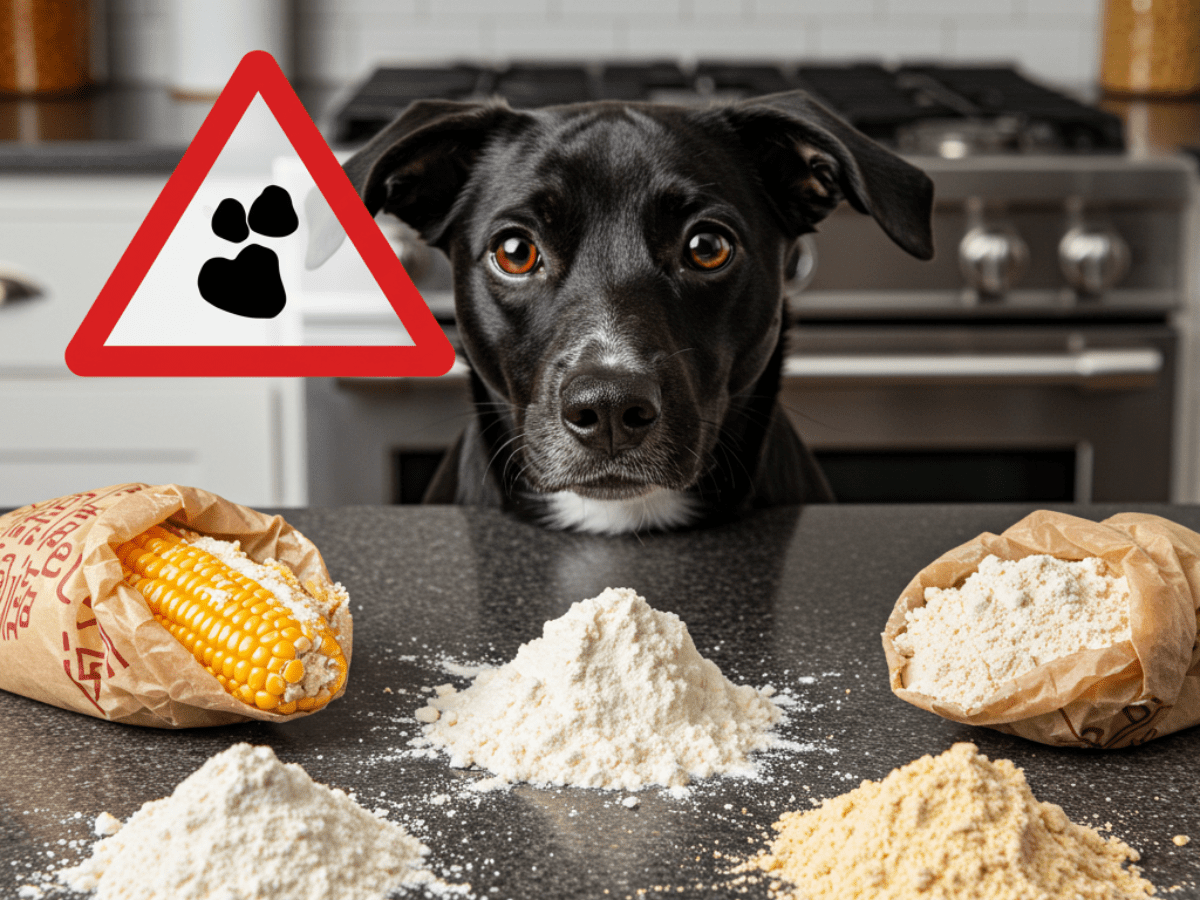
If you’re baking for your dog or starting a treat business, knowing which flours are safe is essential. Not all flours offer the same benefits. Some can support your dog’s health, while others might trigger allergies or digestive issues. That’s why understanding dog-safe flours is key when preparing homemade treats for your furry companion.
Dogs can eat flour, but not every kind is healthy or appropriate. The natural canine diet prioritizes proteins, with carbs and fats coming next. Though dogs don’t need flour, it’s often used as a binder or base in baked goods. Choosing the right kind of flour makes all the difference in how your treat affects your dog’s health. In this blog, you will explore the complete guide on flour safe for dogs.
Can My Dog Eat Flour?
Yes, dogs can eat flour, but the type you use is crucial. Many store-bought flours are heavily processed and lack nutrients. While convenient, these refined options may do more harm than good. Choosing flour safe for dogs that provides nutritional value, is easier to digest, and fits your dog’s dietary needs is a much better route. Always observe how your dog responds to new ingredients and consult your vet before making major changes.
Understanding Dog Nutrition First
Before we break down the flours, let’s briefly talk about your dog’s dietary requirements. Dogs thrive on:
- Protein (meat, eggs, fish)
- Vegetables (sweet potatoes, carrots)
- Fruits (apples, blueberries)
- Healthy fats (salmon oil, flaxseed)
Carbohydrates, including flour, are not essential but can provide energy and dietary fiber. The key is choosing the right carbs from high-quality sources.
Common Wheat Flours: Use With Caution
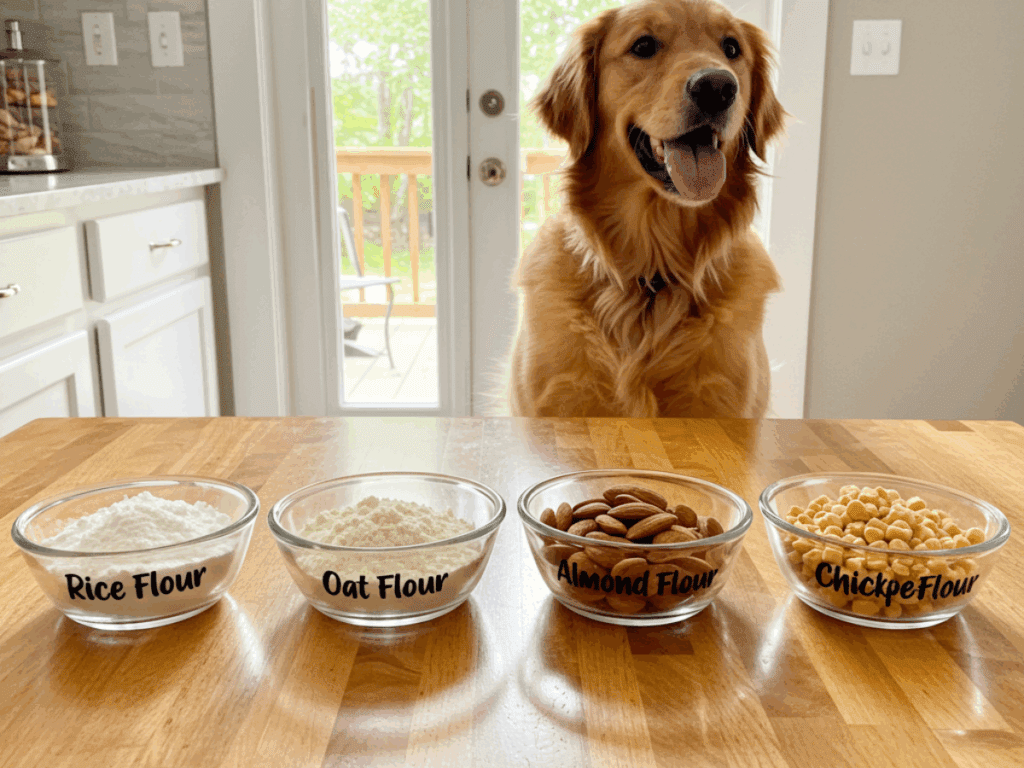
Wheat flours — including white, all-purpose, pastry, and cake flours — are commonly used in human baking. However, they’re not the best choice for dogs.
- Highly Processed: These flours are often stripped of nutrients.
- Allergy Risk: Many dogs are sensitive to wheat and gluten.
- Limited Nutrition: Even whole wheat flour offers little beyond basic carbs.
If your dog tolerates wheat, whole wheat flour is a better option. However, many pet owners choose to skip it altogether in favor of other dog-safe flours.
Rice Flour: A Safer, Gluten-Free Option
Rice flour is a gentle, gluten-free alternative. It’s ideal for dogs with wheat allergies or sensitive stomachs.
There are two main types:
- White Rice Flour: Made from medium or long-grain rice. It has a neutral taste and smooth texture.
- Sweet Rice Flour: Milled from short-grain rice, it’s stickier and better as a binder.
Rice flour is easy to digest and rarely causes reactions, making it a staple in many dog treat recipes.
Nut and Seed-Based Flours
Nut flours provide more nutrition than basic grain flours. They’re rich in healthy fats and plant-based protein. However, moderation is important due to the fat content.
Almond Flour
- High in protein, low in carbs
- Contains vitamin E and magnesium
- Great for grain-free dog treats
Only use in small amounts, as too much fat can upset your dog’s stomach.
Coconut Flour
- Gluten-free and rich in fiber
- Absorbs a lot of moisture
- Great for dogs with grain allergies
Coconut flour can be a little tricky to bake with, but it’s a favorite among those using flours that are safe for dogs.
Chickpea and Lentil Flours
These flours are protein-rich and gluten-free. They’re made by grinding dried legumes.
- Chickpea Flour: High in fiber, iron, and protein
- Lentil Flour: A great plant protein source
They’re excellent for dogs that need more protein in their treats. Always introduce these slowly to avoid gas or stomach upset.
Oat and Barley Flour: Gentle on the Stomach
If your dog struggles with digestion, these mild, whole-grain flours are worth considering.
- Oat Flour: Easy to digest, gluten-free (as long as processed in a GF facility)
- Barley Flour: Nutty flavor and low glycemic index
Both contain beta-glucans, which help support heart health and digestion. These flours are gentle and among the top dog-safe flours.
Flours to Avoid
Some flours do more harm than good. Avoid these to protect your dog’s health.
1. Soy Flour
Soy is one of the most common allergens in dogs. It’s also hard to digest and often genetically modified. Many dogs may experience gas, bloating, or itchy skin after eating soy-based foods. Long-term consumption may also affect thyroid function and hormone balance in sensitive dogs.
2. Corn Flour
Corn is another top allergen. It offers little nutritional value and can irritate the stomach. It’s often used as a filler in low-quality dog food and can lead to weight gain or blood sugar spikes. Some dogs may develop chronic skin problems or digestive upset when exposed regularly.
3. Refined Wheat Flour
White or all-purpose flour is stripped of nutrients and may lead to allergic reactions or digestive problems. Many cheap dog foods contain soy, corn, and wheat because they’re inexpensive fillers. These flours have been linked to flaky skin, digestive issues, and itchy ears.
How to Choose the Best Flours For Dogs
When choosing a flour, ask yourself:
- Is it gluten-free?
- Does it offer nutritional benefits?
- Is it easy to digest?
- Has my dog tried this before?
Start with small batches and monitor for any signs of allergies. If in doubt, talk to your vet.
Baking Tips with Dog-Safe Flours
Using flour safe for dogs may require adjusting your baking technique:
- Coconut flour absorbs more liquid, so add extra eggs or water.
- Almond and chickpea flours can create dense textures.
- Rice and oat flours are best for crunchy biscuits.
Experiment until you find the perfect balance for your treats.
Why Safe Flour Matters for Homemade Treats
Choosing dog-safe flours isn’t just about baking—it’s about your dog’s health. Many dogs suffer from allergies without their owners realizing it. Skin problems, upset stomachs, and low energy can often be traced back to poor-quality ingredients. By choosing high-quality flours like almond, oat, or rice flour, you’re feeding your dog real, beneficial nutrients. You’re also avoiding unnecessary fillers found in commercial treats. If you are a dog owner who is conscious about your dog’s health, then we have got you covered. Visit our website, Vitailix, for premium dog treats.
Conclusion
Choosing the right flour for your dog is the best health decision ever. While dogs can consume certain flours, not all are beneficial. Refined wheat, corn, and soy flours should be avoided due to their allergy risk and poor digestibility. Instead, opt for wholesome options like rice, oats, coconut, or almond flour.
These flours are easier on your dog’s stomach and often rich in nutrients. Always introduce new ingredients gradually and observe your dog for any adverse reactions. When in doubt, consult your vet. With the right flours, your homemade dog treats can be both safe and healthy.
Want to bake healthier treats without the guesswork? Visit Vitailix for premium, vet‑approved ingredients and ready‑made mixes featuring dog‑safe flours, so every bite supports your pup’s well‑being. Start creating nutritious, tail‑wagging treats today!
Dog-Safe Flours Frequently Asked Questions
Q1: What is the safest flour for dogs?
Rice flour is a gentle, gluten‑free choice that most dogs tolerate well and rarely trigger allergies.
Q2: Can dogs have wheat flour if they’re not allergic?
Yes, whole‑wheat flour can be used in small amounts, but many owners still prefer gluten‑free flours to avoid potential sensitivities.
Q3: How do I know if my dog is reacting badly to a new food?
Watch for itching, ear scratching, loose stool, or vomiting within 24–48 hours of trying a new treat. Stop immediately and consult your vet if symptoms appear.
Q4: How much flour‑based treat can I safely give my dog?
Treats, whether flour‑based or not, should make up no more than 10 percent of your dog’s daily calories to prevent weight gain.Q5: Which flours add the most nutrition to dog treats?
Almond, coconut, oat, and chickpea flours provide extra protein, fiber, or healthy fats, making them more nutritious than refined wheat or corn flour.