Keeping your dog healthy and happy starts with the right nutrients. One of the most valuable additions to your pet’s diet is omega-3 for dogs. These fatty acids are known for their positive impact on overall health, and while research is still growing, many vets already recommend them. From improved mobility to a shiny coat, …

Keeping your dog healthy and happy starts with the right nutrients. One of the most valuable additions to your pet’s diet is omega-3 for dogs. These fatty acids are known for their positive impact on overall health, and while research is still growing, many vets already recommend them. From improved mobility to a shiny coat, omega-3s offer benefits that can lead to a longer, more comfortable life for your dog. They support everything from heart health to brain function. Adding omega-3s is a simple way to show your dog extra love every day.
Let’s explore how omega-3 fatty acids can make a real difference in your dog’s well-being.
What Is Omega-3 and Why Does Your Dog Need It?
Omega-3 fatty acids are essential fats. This means your dog’s body cannot produce them on its own. These fats must come from their diet. Omega-3s play a critical role in reducing inflammation, promoting brain function, and maintaining a healthy coat and skin. Adding omega-3 fatty acids to your dog’s diet is easy with supplements or specific dog foods. And the best part? Dogs often enjoy the taste of fish oil, one of the top sources of omega-3s.
1. Reduces Inflammation Naturally
Inflammation isn’t just a human problem. Dogs suffer from it too, often due to diet, age, or chronic conditions. Omega-3 fatty acids can help reduce inflammation throughout the body. This benefit is significant for dogs with skin issues, inflammatory diseases, or sensitive digestive systems. Less inflammation means less discomfort and a happier pup.
2. Supports Joint Health and Eases Arthritis
Dogs with arthritis or mobility problems can find relief with omega-3 supplements. Studies show that omega-3s improve movement and reduce pain in dogs with osteoarthritis. Improved mobility means your dog can enjoy more walks, playtime, and pain-free naps. This leads to a better quality of life, especially for aging pets or larger breeds prone to joint issues.
3. Boosts Skin and Coat Appearance
No one likes an itchy dog with dry skin or dull fur. A 2014 study found that applying omega-3s directly to dogs with skin conditions significantly eased symptoms. Whether your dog suffers from seasonal skin problems or has a dull coat, omega-3s can help. Regular supplementation can bring back that silky shine and reduce scratching.
4. Improves Brain and Immune System Functions
Puppies are not the only ones who benefit from brain support. Omega-3s are proven to assist in cognitive learning and memory, especially in young dogs. They’re also known to support retinal health and immune strength. Starting early with these fatty acids sets the foundation for a sharp, alert adult dog with a strong defense against disease.
5. Helps Manage Allergies in Dogs
If your dog scratches constantly or licks their paws nonstop, allergies may be to blame. Omega-3 supplements for dogs have been shown to help reduce allergic reactions. By calming the immune response and decreasing inflammation, these supplements can help soothe irritated skin and reduce flare-ups caused by seasonal or food-related allergies.

Best Sources of Omega-3 Supplement for Dogs
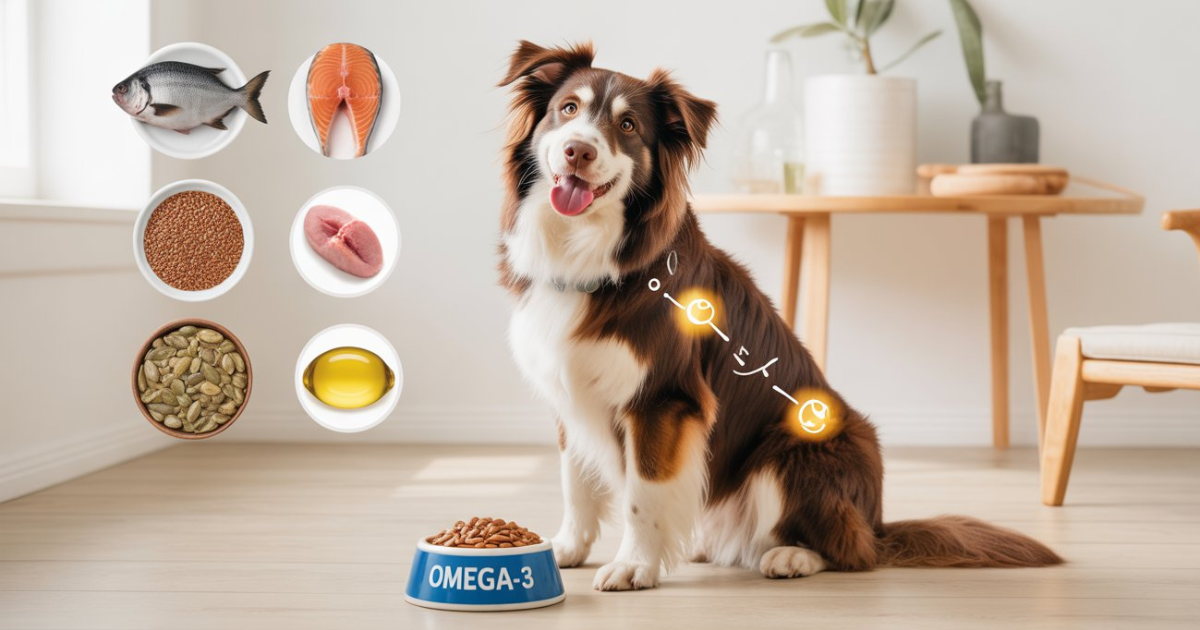
You can find omega-3 for dogs in a variety of supplements and dog foods. Here are some reliable sources:
- Fish oil (salmon, anchovy, sardine)
- Algal oil (plant-based option)
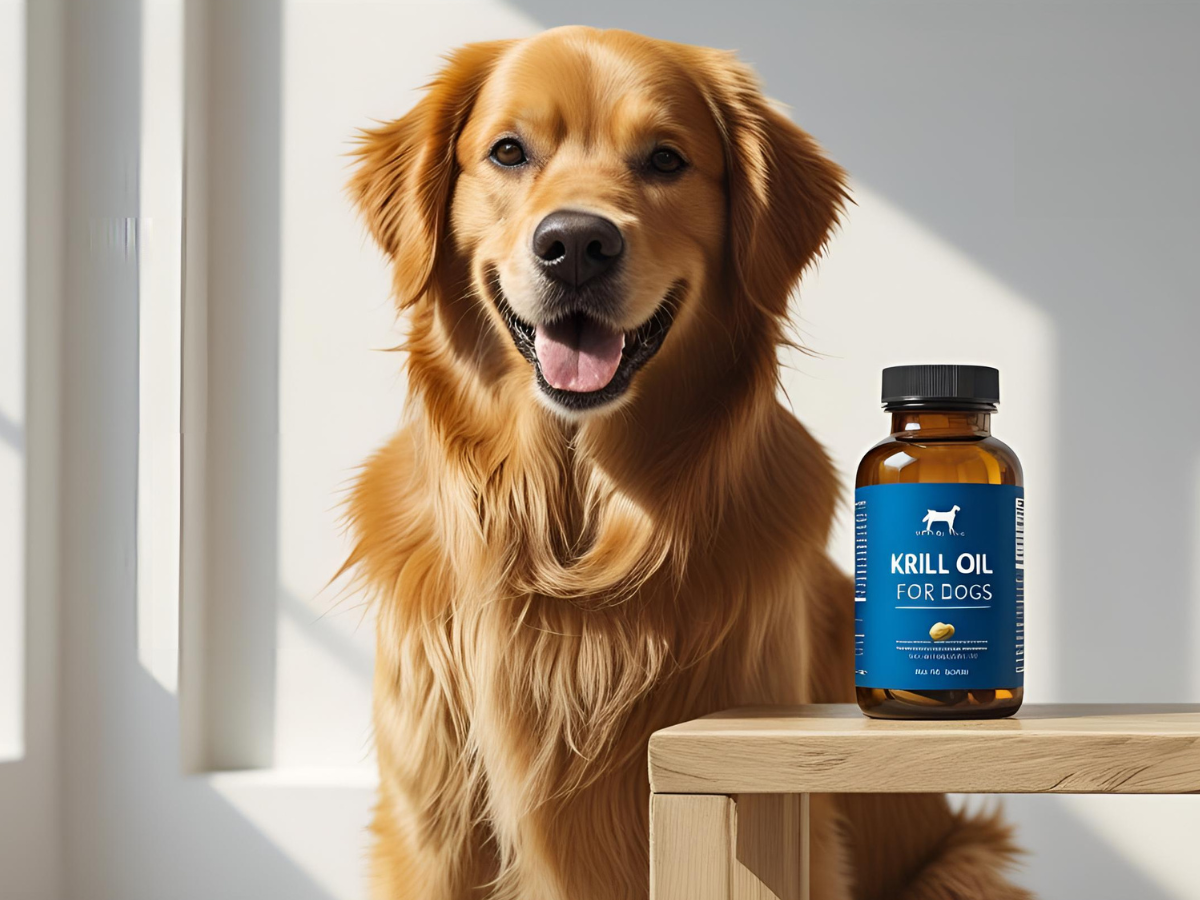
- Krill oil
- Flaxseed oil (less bioavailable for dogs, but helpful)
Always check with your vet before starting any new supplement to make sure it’s right for your pet’s specific needs.
Dosage and Safety Tips
It’s important not to overdo it. Too much omega-3 can cause digestive issues or affect blood clotting. Your veterinarian can guide you on the right dosage based on your dog’s size and condition. Most dogs tolerate fish oil-based supplements well. Start with small amounts and monitor for any changes in stool or appetite.
How to Introduce Omega-3 Into Your Dog’s Routine
There are several ways to add omega-3s to your dog’s diet:
- Mix fish oil into their food
- Choose kibble fortified with omega-3s
- Use soft chews or capsules.
Pick the method your dog enjoys the most. Many pets love the taste, which makes it an easy routine to stick with.
Common Signs Your Dog May Benefit from Omega-3
Wondering if your dog might need a boost? Look for these signs:
- Dry, flaky skin
- Excessive shedding
- Stiff joints or difficulty walking
- Constant licking or scratching
- Trouble focusing or signs of cognitive decline
If you notice any of these, consider talking to your vet about adding omega-3s to their care plan.
Veterinarians Support Omega-3 Supplement for Dogs
While more studies are always helpful, current research and clinical evidence support using omega-3 fatty acids for dogs. Many veterinarians recommend omega-3s as part of a complete wellness plan. When given at proper doses, it’s a safe and often effective supplement that can improve many areas of your dog’s health.
Choosing the Right Omega-3 Supplement
Look for supplements made specifically for dogs. Human-grade omega-3s can be used, but it’s better to pick one with dosing instructions for pets.
Check labels for:
- Purity and safety testing
- Source of the oil (wild-caught fish is best)
- DHA and EPA content
Avoid products with unnecessary fillers or artificial additives. If you are a dog owner who is looking for premium quality supplements for your furry friend, then Vitailix has got you covered. They offer high-quality dog products and supplements to ensure your dog’s good health.
Conclusion
Omega-3 for dogs offers real, research-supported benefits. It can reduce inflammation, ease arthritis, improve the coat, support immunity, and help manage allergies. Always choose high-quality supplements and consult your vet for the right dosage. Adding omega-3s is a small step that can mean a healthier, happier, and longer life for your dog.
Support your pup’s health with omega-3 for dogs today. Vitailix offers premium supplements to boost skin, joints, and energy. Make every tail wag stronger—Shop now at Vitailix and give your dog the wellness they deserve.
Omega-3 for Dogs Frequently Asked Questions
1. What does omega-3 do for dogs?
Omega-3 helps reduce inflammation, supports joint health, boosts skin and coat shine, strengthens the immune system, and improves brain function in dogs.
2. Can all dogs take omega-3 supplements?
Yes, most dogs can safely take omega-3 supplements. However, it’s best to talk to your vet first, especially if your dog has health issues or takes medications.
3. How much omega-3 for dogs should I give my dog?
The right dose depends on your dog’s weight and health needs. Always follow the label or ask your vet for the proper dosage.
4. Are there any side effects of omega-3 for dogs?
Side effects are rare but can include loose stools or an upset stomach. Starting with a small dose helps most dogs adjust easily.5. What’s the best way to give my dog omega-3?
You can mix liquid fish oil into food, give soft chews, or use capsules. Many dogs enjoy the taste, especially if it’s a fish-based supplement.