Biohacking for dogs is a science-backed method designed to improve health, energy, and overall well-being. Though relatively new in the veterinary space, a growing body of canine biohacking research shows that intentional changes in diet, exercise, supplementation, and gut health can lead to measurable improvements in daily wellness. Unlike complicated experimental methods, biohacking focuses on …

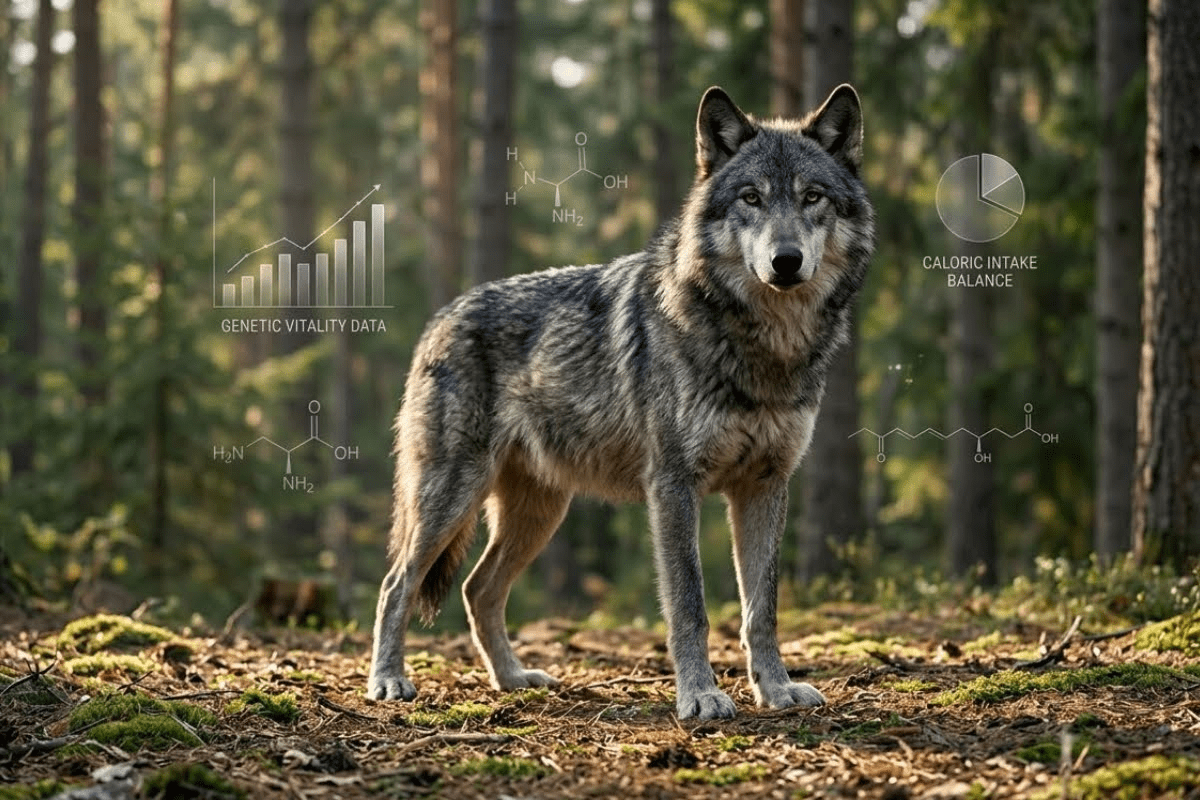
Biohacking for dogs is a science-backed method designed to improve health, energy, and overall well-being. Though relatively new in the veterinary space, a growing body of canine biohacking research shows that intentional changes in diet, exercise, supplementation, and gut health can lead to measurable improvements in daily wellness.
Unlike complicated experimental methods, biohacking focuses on practical, safe interventions. Small adjustments in nutrition, activity, mental stimulation, and supplementation have been shown to support physical health, cognitive function, and emotional balance.
In this article, we explore research-based strategies, highlight longevity-enhancing foods and supplements, and show how evidence-backed canine biohacking can add both years and vitality to your dog’s life.
Understanding Canine Biohacking
Canine biohacking involves making evidence-based choices to optimize a dog’s wellness. Every dog is unique, and strategies vary by breed, age, and lifestyle.
- Puppies require nutrients for rapid growth.
- Adult dogs benefit from balanced energy, protein, and cognitive enrichment.
- Seniors thrive with joint support, anti-inflammatory diets, and stress reduction.
When applied consistently, biohacking strategies improve energy, mobility, cognition, skin health, and immune resilience—while lowering the risks of chronic disease.
How Nutrition Supports Canine Biohacking
Antioxidant-Rich Diets
Studies in aging beagles demonstrate that antioxidant-rich diets preserve cognitive function and reduce oxidative damage similar to Alzheimer’s pathology in humans (Milgram et al., Neurobiol Aging, 2005).
✅ Biohacking foods: blueberries, spinach, pumpkin, carrots, broccoli, kale, and fish oils.
Gut-Supportive Foods & Treats
The gut microbiome shapes digestion, immune defense, inflammation, and even mood. Research confirms that increasing microbial diversity improves immune markers and reduces GI upset (Suchodolski et al., Vet Microbiol, 2012).
✅ Gut-friendly foods/treats:
- Pumpkin – fiber-rich, helps with stool regularity.
- Plain kefir or yogurt (unsweetened, lactose-free if sensitive) – probiotic source.
- Bone broth – collagen, amino acids for gut lining repair.
- Fermented vegetables (tiny amounts) – sauerkraut juice (dog-safe, low-salt).
- Bananas, apples, oats – prebiotic fibers feed beneficial bacteria.
Balanced Nutrients
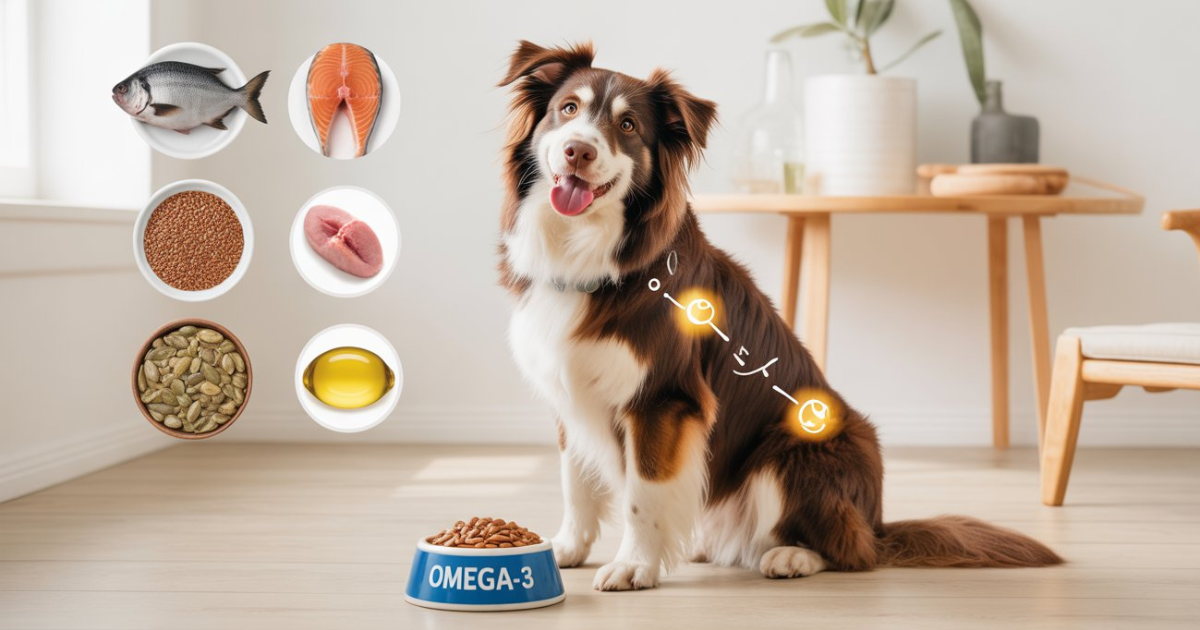
- Omega-3s (EPA/DHA): Anti-inflammatory, support joints and cognition (Roush et al., JAVMA, 2010).
- Amino acids from lean meats: Critical for muscle repair and immune strength.
- Micronutrients: Zinc, selenium, and vitamin E support skin and immune health.
Portion control is equally important: Canine biohacking research shows calorie restriction extends lifespan and delays disease onset (Kealy et al., JAVMA, 2002).
Targeted Supplementation for Longevity
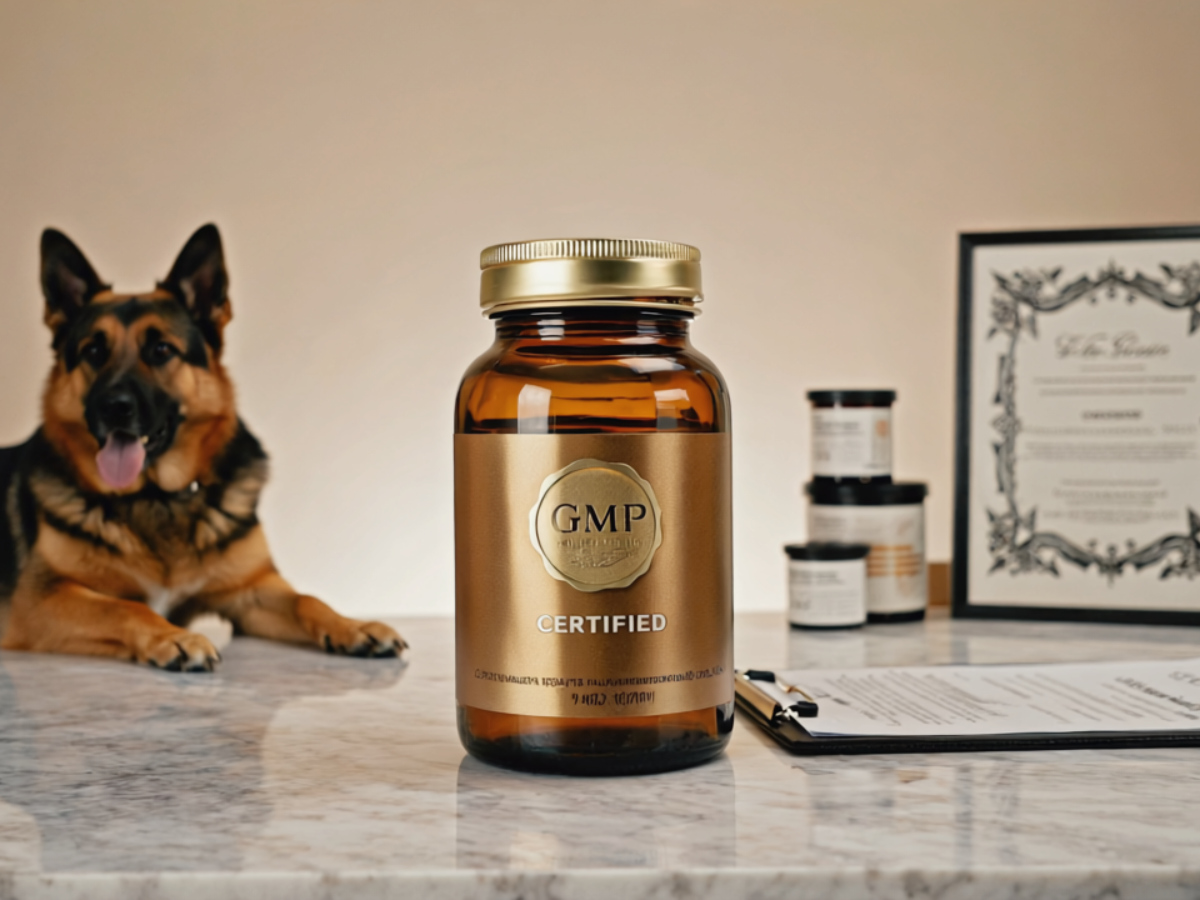
Supplements fill nutritional gaps and target age-related decline.
- Omega-3 fatty acids (EPA/DHA): Reduce joint inflammation and support heart and brain function (Fritsch et al., Vet Therapeutics, 2010).
- Glucosamine & chondroitin: Improve mobility in arthritic dogs (Gupta et al., J Anim Physiol Anim Nutr, 2012).
- Probiotics: Balance microbiome, improve stool quality, reduce diarrhea (Kelley et al., Vet Therapeutics, 2009).
- Antioxidants (vitamin E, vitamin C, polyphenols): Reduce oxidative stress, support immunity.
- Curcumin (turmeric extract): Natural anti-inflammatory, shown to reduce markers of oxidative damage in canine studies.
- L-carnitine: Supports mitochondrial health, fat metabolism, and has been linked to improved cardiac function in dogs (Keene et al., J Vet Intern Med, 1991).
- SAMe (S-adenosylmethionine): Neuroprotective, supports liver detox and cognitive health in aging dogs (Ragen et al., Vet Therapeutics, 2009).
- Coenzyme Q10: Helps mitochondrial energy production and cardiovascular health.
Cognitive Function and Mental Health
Mental decline in dogs parallels human dementia. Dietary antioxidants combined with enrichment slow cognitive deterioration (Cotman et al., Neurobiol Aging, 2002).
✅ Biohacks:
- Puzzle toys, scent games, and training new commands.
- Rotating enrichment activities to keep dogs engaged.
Mentally enriched dogs show lower anxiety, sharper cognition, and improved trainability.
Skin Health & Anti-Inflammatory Biohacks
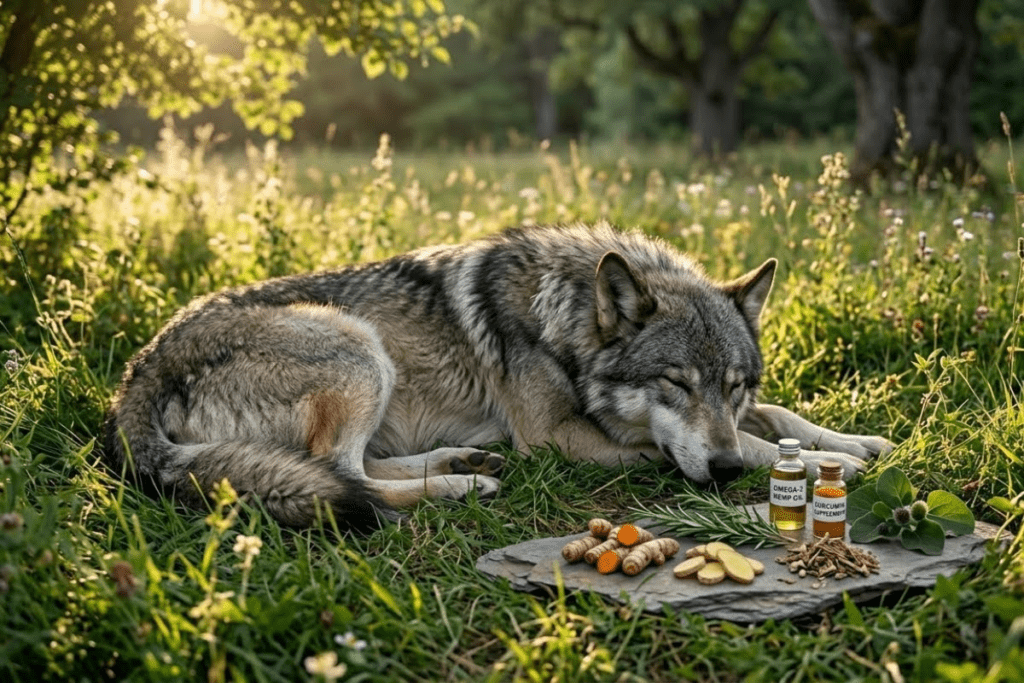
Healthy skin and coat reflect internal wellness. Omega-3s, zinc, and vitamin E improve coat shine, hydration and reduce allergic inflammation. Dogs on omega-3–enriched diets show fewer dermatologic issues and improved skin barrier function (Logas & Kunkle, JAAHA, 1994).
Exercise & Physical Activity
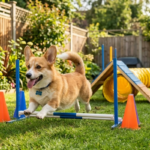
Regular movement enhances mobility, cardiovascular health, and mood.
- Active breeds: Agility, running, and swimming.
- Senior dogs: Hydrotherapy, short walks, controlled play.
Canine biohacking research confirms that dogs combining exercise + nutrient-rich diets show improved joint health and overall quality of life (Larsen & Farcas, J Vet Intern Med, 2014).
Implementing Evidence-Based Biohacks
Practical steps to get started:
- Introduce antioxidant-rich whole foods (blueberries, spinach, pumpkin).
- Add gut-friendly fibers & probiotics.
- Layer in longevity-targeted supplements (omega-3s, SAMe, L-carnitine).
- Provide cognitive enrichment (puzzles, training, scent work).
- Support stress resilience with consistent routines and safe environments.
- Track progress with observation or wearables (activity, sleep, stool quality).
Conclusion
Evidence-based canine biohacking research confirms that small, intentional adjustments in nutrition, supplementation, gut health, exercise, and cognitive enrichment can extend both lifespan and healthspan. With consistent application, dogs enjoy more energy, smoother digestion, better mobility, and calmer moods—living not just longer, but better.
👉 Give your dog the tools for vitality and longevity. Explore Vitailix for trusted supplements, gut health solutions, and enrichment tools today.
Canine Biohacking Research Frequently Asked Questions
1. What is canine biohacking?
Canine biohacking uses science-backed strategies like nutrition, supplements, exercise, stress reduction, and mental enrichment to improve a dog’s health and longevity.
2. Is biohacking safe for all dogs?
Yes, when introduced gradually and guided by a veterinarian. Each dog’s needs differ by age, breed, and health condition.
3. Which supplements support longevity?
Research supports omega-3 fatty acids (EPA/DHA), glucosamine, probiotics, antioxidants, L-carnitine, and SAMe for joint, gut, brain, and overall wellness.
4. What foods support gut health?
Pumpkin, kefir, bone broth, oats, bananas, and small amounts of blueberries or spinach promote a healthy microbiome and stronger immunity.
5. How soon can I expect results?
Improvements in energy, digestion, and coat quality may appear within weeks. Cognitive and joint benefits typically take several months of consistent application.
References
- Kealy RD et al. Diet restriction and lifespan in dogs. JAVMA (2002).
- Roush JK et al. Omega-3 fatty acids improve arthritis in dogs. JAVMA (2010).
- Milgram NW et al. Antioxidant diets improve cognition in aging beagles. Neurobiol Aging (2005).
- Suchodolski JS et al. Canine dysbiosis index for microbiome assessment. Vet Microbiol (2012).
- Kelley RL et al. Probiotics improve stool quality in dogs. Vet Therapeutics (2009).
- Gupta RC et al. Glucosamine/chondroitin in canine OA management. J Anim Physiol Anim Nutr (2012).
- Cotman CW et al. Environmental enrichment + antioxidants delay canine cognitive decline. Neurobiol Aging (2002).
- Logas D, Kunkle G. Omega-3 fatty acids improve canine skin/coat. JAAHA (1994).
- Keene BW et al. L-carnitine in canine cardiac function. J Vet Intern Med (1991).
- Ragen BJ et al. SAMe in cognitive and hepatic support for dogs. Vet Therapeutics (2009).
Larsen JA, Farcas A. Nutrition and exercise in canine joint health. J Vet Intern Med (2014).