
History of the Siberian Husky The Siberian Husky, a striking breed known for its endurance and striking wolf-like appearance, originated with the Chukchi people of northeastern Siberia thousands of years ago. Bred to pull sleds over long distances in harsh Arctic conditions, Huskies were essential to the Chukchi’s survival, transporting supplies and aiding in hunting. …

History of the Siberian Husky
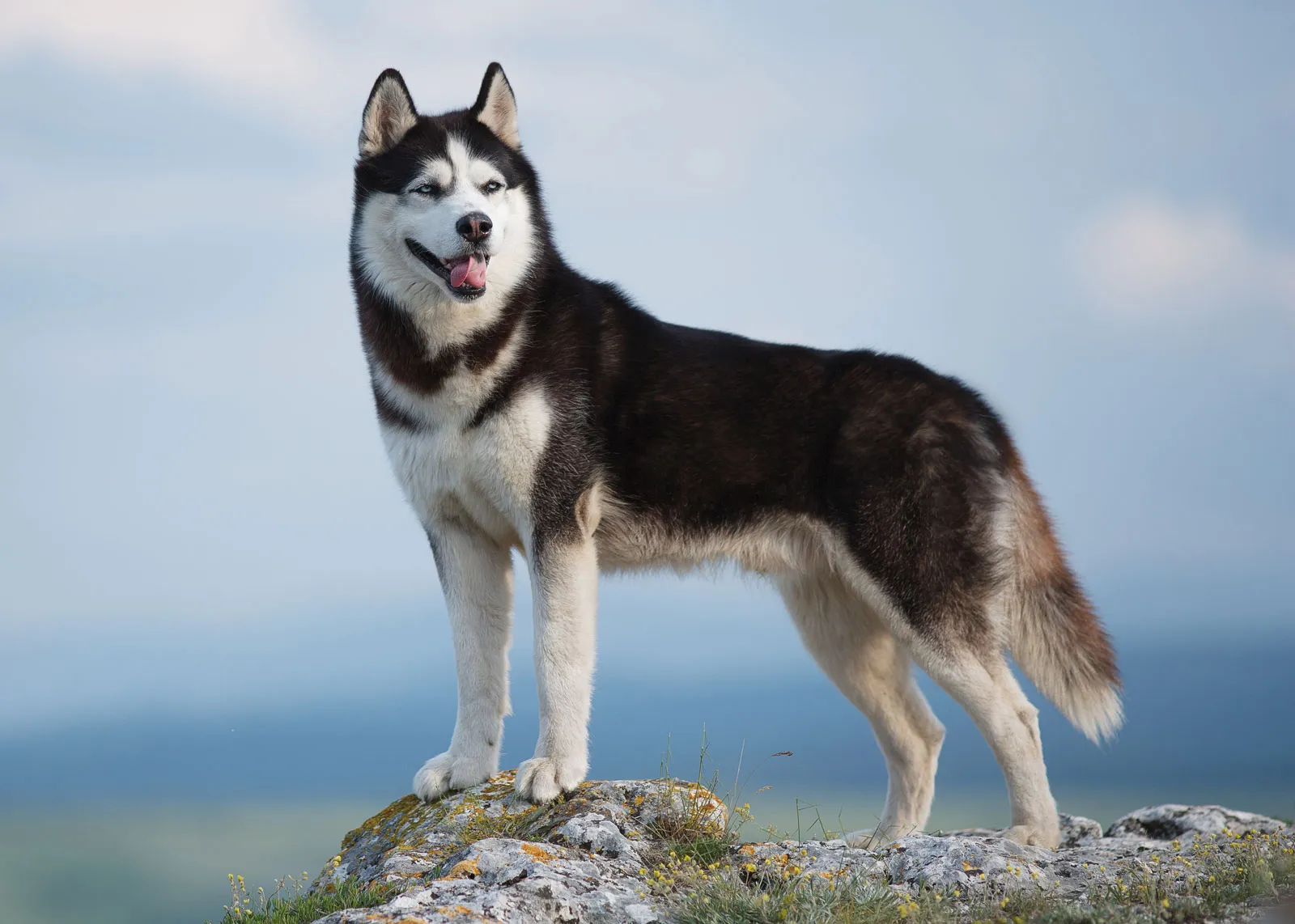
The Siberian Husky, a striking breed known for its endurance and striking wolf-like appearance, originated with the Chukchi people of northeastern Siberia thousands of years ago. Bred to pull sleds over long distances in harsh Arctic conditions, Huskies were essential to the Chukchi’s survival, transporting supplies and aiding in hunting. Their speed, stamina, and ability to work in teams made them unparalleled sled dogs.
In the early 20th century, Siberian Huskies gained fame in Alaska during the 1908 gold rush, where they excelled in sled dog races like the All-Alaska Sweepstakes. Their most celebrated moment came in 1925, when Husky teams, led by dogs like Balto, delivered life-saving diphtheria serum to Nome, Alaska, in a relay known as the “Great Race of Mercy.” This feat brought global attention to the breed.
The American Kennel Club recognized the Siberian Husky in 1930. Today, they are cherished as energetic, intelligent companions and continue to compete in sledding and dog sports, though their strong-willed nature requires active, dedicated owners.