
418 Park Place, West Palm Beach, FL 33401
Mon – Fri: 9:00 am – 4:00 pm, Sat: 10am - 3pm

Rhodesian Ridgeback

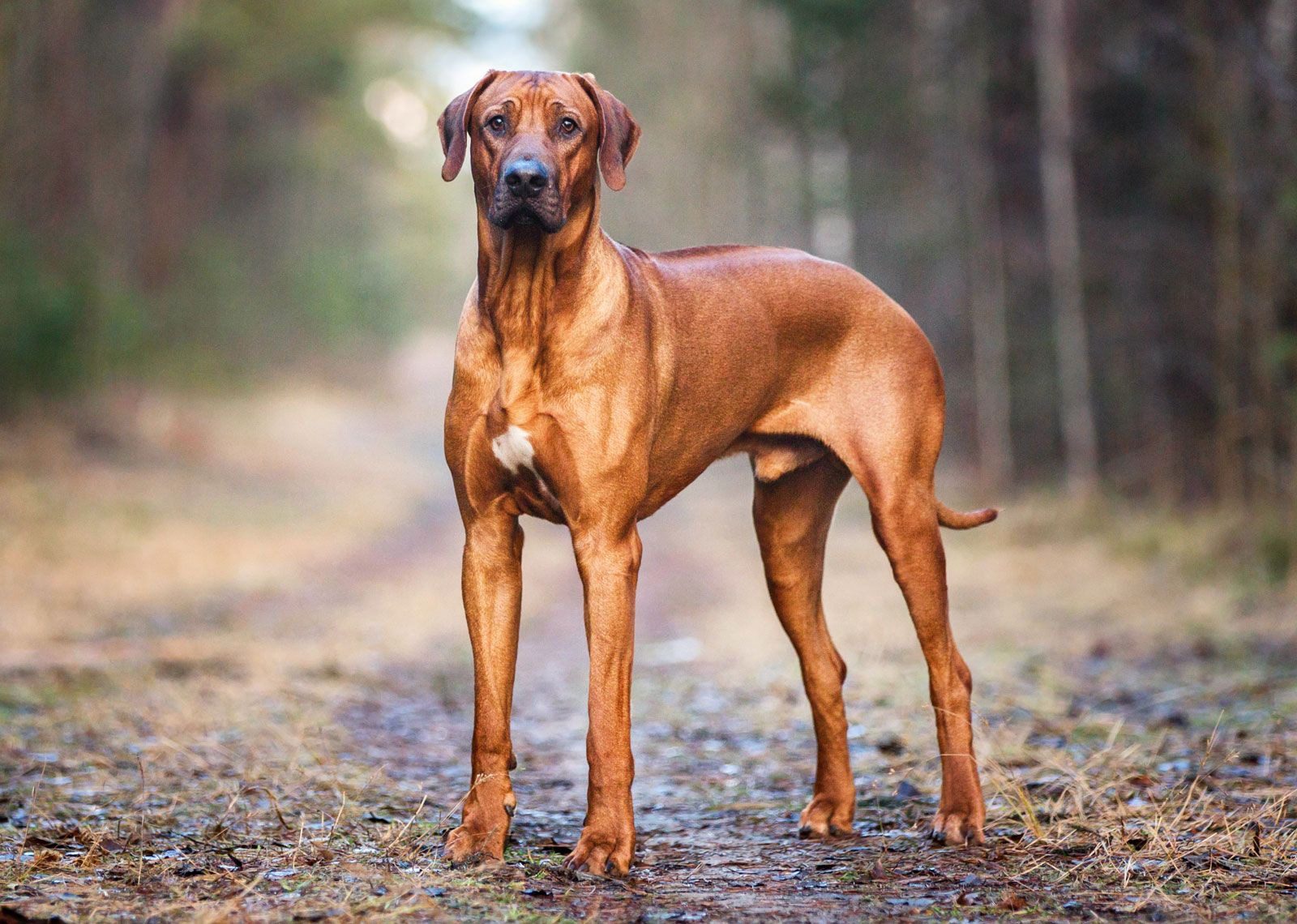
History of the Rhodesian Ridgeback The Rhodesian Ridgeback, known for the distinctive line of hair along its back that grows in the opposite direction from the rest of its coat, traces its origins to southern Africa in the late 19th century. The breed was developed by European settlers, primarily in what is now Zimbabwe, by …

History of the Rhodesian Ridgeback

The Rhodesian Ridgeback, known for the distinctive line of hair along its back that grows in the opposite direction from the rest of its coat, traces its origins to southern Africa in the late 19th century. The breed was developed by European settlers, primarily in what is now Zimbabwe, by crossing their imported European hunting dogs—such as Great Danes, Greyhounds, and Terriers—with the semi-domesticated ridged hunting dogs of the Khoikhoi people. The goal was to create a powerful, versatile dog capable of thriving in the harsh African climate and terrain.

These early Ridgebacks were highly valued for their courage, endurance, and ability to work both independently and alongside hunters. They became famous for their skill in tracking and holding big game, including lions, until the hunter arrived—earning them the nickname “African Lion Dog.” While they were never intended to fight lions, their speed, agility, and fearless nature made them indispensable in large-game hunts.

By the 1920s, breed enthusiasts began standardizing the Rhodesian Ridgeback’s appearance and temperament. The first official breed standard was written in 1922 in Rhodesia, and the breed gained recognition in South Africa shortly afterward. Ridgebacks arrived in the United States in the mid-20th century, with the American Kennel Club officially recognizing the breed in 1955.

Today, the Rhodesian Ridgeback is admired for its athleticism, intelligence, and loyalty. While it still possesses the strength and stamina of its hunting ancestors, the modern Ridgeback is equally at home as a devoted family companion—protective, dignified, and deeply bonded to those it loves.

Raise a Healthier, Happier Rhodesian Ridgeback: Care, Wellness, and Biohacks

Rhodesian Ridgebacks are noble, athletic hounds with a distinctive ridge and a bold charm! These lion-hunting legends are packed with personality, and here are some fun facts to make you love them even more. Get ready for some tail-wagging trivia!

Lion-Hunting Legends

Bred in Southern Africa to track lions, Ridgebacks were called “African Lion Hounds”! They’d corner big game with courage, and their ridge—a strip of backward-growing fur—set them apart as fierce yet loyal hunters.

The Ridge Rules

That iconic dorsal ridge, where fur grows in the opposite direction, is unique to Ridgebacks (and one other breed, the Thai Ridgeback). It’s like a natural mohawk, giving them serious style points!

Hollywood Hounds

Ridgebacks have starred in films like The Ghost and the Darkness, showcasing their majestic presence. Their lion-hunting roots make them naturals for the big screen or your backyard adventures.

Speedy and Graceful

These hounds can hit speeds up to 25 mph, blending power with elegance! Their sleek build and long strides make them look like they’re gliding, whether chasing a ball or just strutting.

Royal Connections

Ridgebacks were favored by African royalty and farmers alike, guarding homesteads and hunting game. Their regal vibe and loyal nature still make them feel like canine kings in modern homes!

These fun facts show why Rhodesian Ridgebacks are such beloved companions, from their lion-chasing past to their stylish ridge. Got a Ridgeback? Share their bold antics with us, or let these tidbits inspire your next adventure!

Rhodesian Ridgebacks are powerful, regal hounds, and a few preventative treatments keep them bounding with strength! Here’s a breezy guide to vet-approved care to ensure your Ridgeback stays healthy and ready for their next adventure or snuggle.

Regular Coat Brushing

Their short, sleek coat sheds lightly but can trap dirt from outdoor runs. Brush weekly with a soft bristle brush to keep their fur glossy and skin healthy, ensuring their ridge shines for every strut.

Joint-Supporting Exercise

Their athletic nature loves 60–90 minutes of daily exercise, like walks or runs, but overexertion can stress joints. Stick to low-impact activities like hiking or swimming, especially for young pups, to keep their frame strong.

Dental Hygiene

Their strong jaws need care to avoid plaque buildup. Brush their teeth a few times a week with dog-safe toothpaste and offer dental chews. Annual vet dental checkups keep their smile ready for play or guarding.

Parasite Protection

Their outdoor adventures in fields or trails can attract fleas or ticks. Use vet-approved preventatives (topical or oral) year-round, suited to your area. Check their coat after romps to catch pests early.

Regular Vet Visits

Yearly vet checkups keep your Ridgeback in top form. Vaccinations, heartworm prevention, and bloodwork or sinus checks ensure they’re ready for running or lounging. Your vet can tailor a plan for their active, noble lifestyle.

These simple steps will keep your Rhodesian Ridgeback bounding with joy! Always consult your vet for personalized advice to ensure your hound stays healthy and happy for years of regal fun.

Rhodesian Ridgebacks are majestic, athletic hounds, but like all breeds, they have some common ailments and genetic predispositions to watch for to keep their noble spirit soaring! Here’s a light look at what to know, so your Ridgeback stays healthy and ready to bound.

Joint Concerns

Their powerful, athletic build loves running, but it can stress joints, making them prone to hip dysplasia or elbow dysplasia, where joints fit loosely, affecting mobility. A balanced diet and controlled exercise support their strong frame for chasing adventures.

Skin Sensitivities

Their short coat is sleek, but Ridgebacks can develop allergies or hot spots, especially in humid climates or after outdoor romps. Regular coat checks and grooming keep their skin happy and their ridge looking sharp.

Thyroid Imbalances

Some Ridgebacks may inherit hypothyroidism, where the thyroid slows, leading to sluggishness or weight gain. Routine vet bloodwork catches this early, ensuring their energy stays high for tracking or play.

Dermoid Sinus

A unique genetic trait, some Ridgebacks may have a dermoid sinus, a small tube-like structure near the spine’s ridge. Regular vet checks at birth or early on can spot this, keeping your pup comfortable and carefree.

Digestive Sensitivities

Their active lifestyle burns energy fast, but some Ridgebacks may have sensitive stomachs, leading to occasional upset or food intolerance. A consistent, high-quality diet keeps their tummy ready for their next sprint.

With proactive vet care, a healthy lifestyle, and lots of love, you can help your Rhodesian Ridgeback dodge these quirks and keep their hound spirit thriving! Always consult your vet for tailored advice to ensure your regal pal stays vibrant.

Rhodesian Ridgebacks are athletic, noble hounds, and the right vitamins and supplements can keep them thriving on every adventure! Here’s a vet-friendly guide to support their coat, joints, and stamina, ensuring they stay ready for running or guarding. Always check with your vet before starting supplements.

Omega-3 Fatty Acids

Omega-3s, like fish oil or flaxseed oil, promote a glossy coat and healthy skin, perfect for Ridgebacks’ sleek fur. They also support joint comfort for their powerful strides. Choose dog-specific supplements with EPA and DHA, dosed at about 20–50 mg/kg daily.

Glucosamine and Chondroitin

Their athletic runs can stress joints, especially hips or elbows. Glucosamine-chondroitin combos support joint health and mobility, keeping them agile for chasing or hiking. Look for dog-formulated chews or powders with 500–1000 mg glucosamine per 25 pounds of body weight.

Probiotics

A healthy gut fuels their boundless energy. Probiotics support digestion, especially for sensitive tummies after outdoor feasts. Choose dog-safe probiotics with strains like Lactobacillus or Bifidobacterium, in chews or powders, dosed per product guidelines for their active lifestyle.

Multivitamins

A balanced multivitamin fills nutritional gaps, boosting vitality for their high-energy romps. Select a vet-approved dog multivitamin with vitamins A, D, E, and B-complex, tailored to large breeds, and follow dosing (usually one chew daily).

Antioxidant Blends

Antioxidants like vitamin C, vitamin E, or CoQ10 support their immune system, keeping them ready for outdoor adventures. Dog-specific antioxidant chews or powders, dosed by weight, add a wellness boost, perfect for biohacking hound health.

These supplements can add an extra spring to your Ridgeback’s stride, but always consult your vet to ensure they’re right for your pup. With the right support, your Ridgeback will be ready to run, guard, and charm their way through life!

Rhodesian Ridgebacks are noble, athletic hounds who thrive on adventure and loyalty, and holistic health practices can keep them bounding with joy! These biohack-inspired tips blend wellness and fun to support your Ridgeback’s mind, body, and spirit, perfect for their regal soul. Always check with your vet before trying new approaches.

Mental Stimulation Challenges

Ridgebacks’ sharp minds love a challenge! Use puzzle toys, like treat-dispensing balls or scent games (hide treats in the yard), for 15–20 minute daily sessions. Rotate games weekly to mimic their tracking instincts, boosting focus and preventing boredom.

Whole-Food Diet Boosts

Fuel their stamina with a high-quality, whole-food diet rich in lean proteins (like beef or fish) and veggies (like sweet potatoes or spinach). Add a teaspoon of chia seeds for omega-3s or a splash of bone broth for hydration, making meals a biohacking delight.

Calming Herbal Scents

Their alert nature can stay relaxed with pet-safe calming scents like lavender or chamomile in a diffuser during downtime. Use sparingly (1–2 drops in a ventilated room) to create a soothing vibe, ideal for post-run relaxation or cozy evenings.

Massage for Recovery

A 5–10 minute gentle massage after exercise boosts circulation and relaxes muscles. Use light strokes along their back and legs, avoiding joints, to support recovery from runs or play, deepening your bond and keeping them balanced.

Nature-Based Enrichment

Tap into their hunting roots with “trail games” in open fields or parks, letting them explore scents or chase toys for 30–60 minutes daily. Vary routes to stimulate their senses, promoting physical fitness and mental joy in a natural, biohacking-inspired setting.

These holistic tips harness your Ridgeback’s strength and loyalty, keeping them balanced and joyful. Pair them with regular vet care to ensure your hound stays healthy for years of noble adventures. Got a favorite biohack for your Ridgeback? Share the love!

Breed Details

  • Breed Name Rhodesian Ridgeback
  • Scientific Name Canis lupus familiaris
  • Breed Group (e.g., Herding, Hound, Toy) Hound
  • Origin Country Zimbabwe (formerly Rhodesia)
  • Height (Male / Female) 25–27 inches / 24–26 inches
  • Weight (Male / Female) 85 lbs / 70 lbs
  • Lifespan 10–12 years
  • Coat Type (e.g., short, long, curly) Short, dense, sleek; distinctive ridge of hair along back
  • Colors Available Light wheaten to red wheaten, sometimes with small white markings
  • Temperament Traits (e.g., Friendly, Loyal, Aggressive) Loyal, dignified, confident, independent, protective
  • Good with Children (Yes/No) Yes (gentle yet watchful; best with older kids)
  • Good with Pets (Yes/No) Variable (may be aloof or dominant; early socialization key)
  • Trainability Score High (intelligent but independent; requires patient, firm, and positive methods)
  • Common Health Issues Hip dysplasia, dermoid sinus, hypothyroidism, bloat
  • Grooming Needs Low (weekly brushing; occasional baths)
  • Exercise Needs High (60–90 minutes daily; running, hiking, active play)
  • Holistic/Bio Hacking Diet Feed 3–4 cups daily of high-protein raw or cooked diet. Include 60% lean meats (beef, lamb, venison), 20% organ meats, 15% vegetables (spinach, green beans, squash), 5% bone/calcium. Supplement with glucosamine and omega-3 fish oil (1000–1500 mg/day) for joint support. Feed in elevated bowls and use slow feeders to reduce bloat risk.