
History of the Pug The Pug is one of the oldest known dog breeds, with a royal history dating back over 2,000 years. Originating in ancient China, Pugs were bred as companion animals for Chinese emperors and their families. These small, wrinkled dogs were held in high esteem, often living in luxurious palaces and guarded …

History of the Pug
The Pug is one of the oldest known dog breeds, with a royal history dating back over 2,000 years. Originating in ancient China, Pugs were bred as companion animals for Chinese emperors and their families. These small, wrinkled dogs were held in high esteem, often living in luxurious palaces and guarded by soldiers. Known as “lo-sze” in their homeland, they were considered symbols of luck, loyalty, and prosperity.
By the 16th century, Pugs had made their way to Europe via Dutch traders, where they quickly became favorites of European royalty. In the Netherlands, they became the official dog of the House of Orange after a Pug reportedly alerted Prince William of an assassination attempt. Their popularity spread throughout the continent, earning them a place in the courts of France, Italy, and eventually England. Queen Victoria was especially fond of Pugs and helped solidify their status as cherished companions in the Victorian era.
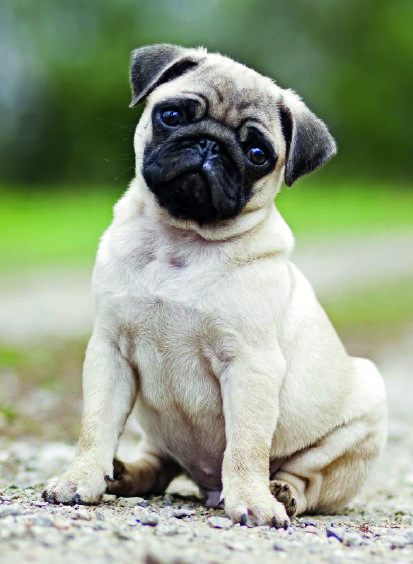
Despite their small size, Pugs were always prized for their big personalities—loving, playful, and comically expressive. Their signature features—short snouts, curled tails, and soulful eyes—have captivated dog lovers for centuries.
Today, the Pug is adored worldwide as a loyal and affectionate pet. Known for its charming demeanor and clownish antics, the breed thrives in family life and adapts well to both city and country living. Though small in stature, the Pug carries a rich and regal history, full of heart, humor, and enduring companionship.