
418 Park Place, West Palm Beach, FL 33401
Mon – Fri: 9:00 am – 4:00 pm, Sat: 10am - 3pm

Newfoundland

History of the Newfoundland The Newfoundland is a majestic working breed that hails from the rugged northeastern coast of Canada, specifically the island of Newfoundland. Developed in the 18th century, these dogs were bred to assist local fishermen with demanding tasks in icy waters. Their origins likely involve a mix of indigenous working dogs and …

History of the Newfoundland

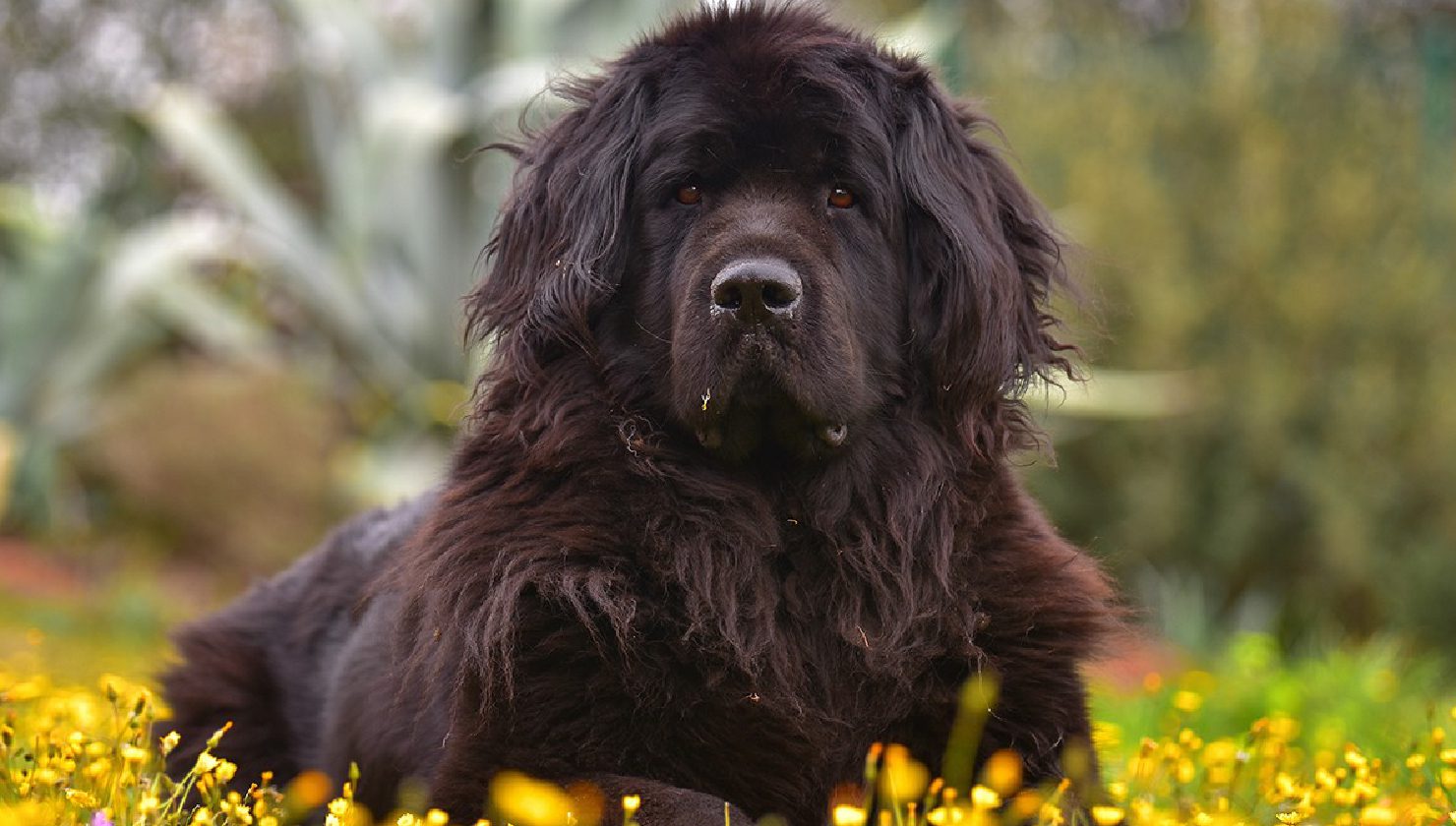
The Newfoundland is a majestic working breed that hails from the rugged northeastern coast of Canada, specifically the island of Newfoundland. Developed in the 18th century, these dogs were bred to assist local fishermen with demanding tasks in icy waters. Their origins likely involve a mix of indigenous working dogs and European breeds brought over by explorers and settlers, such as the Great Pyrenees and various mastiff-type dogs.

Newfoundlands were valued for their immense strength, thick water-resistant coats, and natural swimming ability. They routinely hauled fishing nets, carried loads of gear, and even saved people from drowning—thanks to their powerful build and instinctive lifesaving skills. Their large, webbed paws and calm temperament made them ideal for both land and water work, and tales of their bravery spread quickly.

By the 19th century, the breed had captured attention beyond Canada. British aristocrats and artists admired their noble appearance and gentle nature, further refining the breed’s traits through selective breeding. The Newfoundland was officially recognized by the American Kennel Club in 1886 and quickly gained a reputation as a dependable working and family dog.

Today, Newfoundlands are known as “gentle giants”—massive in size but unmatched in kindness. They continue to serve in water rescue operations and excel as therapy and support animals. Beloved for their sweet disposition, patience with children, and quiet dignity, the Newfoundland remains a cherished breed worldwide, admired for both heart and heroism.

Raise a Healthier, Happier Newfoundland: Care, Wellness, and Biohacks

Newfoundlands are gentle, fluffy giants with a knack for stealing hearts! These massive water dogs are packed with personality, and here are some fun facts to make you adore them even more. Get ready for some tail-wagging trivia!

Lifesaving Water Dogs

Newfies were bred in Newfoundland to rescue drowning sailors, hauling nets and swimming in icy waters! Their thick fur and webbed feet make them natural lifeguards.

Nana the Nanny

The beloved dog in Peter Pan, Nana, is a Newfoundland, showcasing their gentle, nurturing side. They’re famous for babysitting kids with cuddly care!

Gentle Giants

Nicknamed “Gentle Giants,” Newfies can weigh up to 150 pounds but are softies at heart, often flopping onto you for cuddles like oversized teddy bears!

Water-Loving Pups

Their love for water is legendary—they’ll dive into lakes or pools with glee! Their water-repellent coat makes them perfect for splashy adventures.

Presidential Pals

U.S. Presidents like James Buchanan had Newfies as White House pets, proving their regal charm. Their fluffy presence lights up any home or history book!

These fun facts show why Newfoundlands are such beloved companions, from their lifesaving roots to their nanny charm. Got a Newfie? Share their gentle moments with us, or let these tidbits spark your next cuddle session!

Newfoundlands are gentle, fluffy giants, and a few preventative treatments keep them lounging with joy! Here’s a breezy guide to vet-approved care to ensure your Newfie stays healthy and ready for cuddles or water play.

Regular Coat Brushing

Their thick coat sheds heavily, especially seasonally. Brush weekly with a slicker brush or undercoat rake (daily during shedding) to prevent matting and keep their fur fluffy, ready for water romps.

Bloat Prevention

Their deep chest loves smaller, frequent meals to avoid bloat. Feed 2–3 times a day and use slow-feeder bowls to keep their tummy happy for gentle play or swimming.

Dental Hygiene

Their large jaws need care to avoid plaque buildup. Brush their teeth a few times a week with dog-safe toothpaste and offer dental chews. Annual vet dental checkups keep their grin sparkling for treats.

Parasite Protection

Their water play or outdoor lounging can attract fleas or ticks. Use vet-approved preventatives (topical or oral) year-round, suited to your area. Check their coat after romps to catch pests early.

Regular Vet Visits

Yearly vet checkups keep your Newfie in top form. Vaccinations, heartworm prevention, and joint or heart screenings ensure they’re ready for lounging or water rescues. Your vet can tailor a plan for their gentle lifestyle.

These simple steps will keep your Newfoundland lounging with joy! Always consult your vet for personalized advice to ensure your fluffy pal stays healthy and happy for years of fun.

Newfoundlands are gentle, fluffy giants, but like all breeds, they have some common ailments and genetic predispositions to watch for to keep their tails wagging! Here’s a breezy guide to what to know, so your Newfie stays healthy and ready for cuddles or water rescues.

Joint Concerns

Their massive size can stress joints, making them prone to hip dysplasia or elbow dysplasia, affecting mobility. A balanced diet and controlled exercise support their huge frame for gentle play.

Heart Conditions

Some Newfies may inherit subaortic stenosis or cardiomyopathy, affecting heart function. Routine vet heart screenings ensure their ticker stays strong for their gentle cuddles.

Bloat Risk

Their deep-chested build can make them susceptible to gastric torsion (bloat), a sudden stomach issue from eating too fast. Feeding smaller meals and avoiding post-meal exertion help keep their tummy happy.

Skin Sensitivities

Their thick coat can trap allergens, leading to hot spots or irritations, especially after water play. Regular grooming and skin checks keep their fur fluffy and itch-free.

Thyroid Imbalances

A genetic tendency to hypothyroidism can cause sluggishness or weight gain. Routine vet bloodwork catches this early, ensuring their energy stays steady for lounging or swimming.

With proactive vet care, a healthy lifestyle, and lots of love, you can help your Newfoundland dodge these quirks and keep their gentle spirit thriving! Always consult your vet for tailored advice to ensure your fluffy pal stays vibrant.

Newfoundlands are gentle, fluffy giants, and the right vitamins and supplements can keep them thriving on every cuddle or water romp! Here’s a vet-friendly guide to support their coat, joints, and energy, ensuring they stay ready for lounging or rescues. Always check with your vet before starting supplements.

Omega-3 Fatty Acids

Omega-3s, like fish oil or krill oil, promote a glossy coat and healthy skin, perfect for Newfies’ thick fur. They also support joint comfort for their massive frame. Choose dog-specific supplements with EPA and DHA, dosed at about 20–50 mg/kg daily.

Glucosamine and Chondroitin

Their huge frame can stress joints, especially hips or elbows. Glucosamine-chondroitin combos support joint health and mobility, keeping them agile for gentle walks or swimming. Look for dog-formulated chews or powders with 500–1000 mg glucosamine per 25 pounds of body weight.

Probiotics

A healthy gut fuels their steady energy. Probiotics support digestion, especially for sensitive tummies. Choose dog-safe probiotics with strains like Lactobacillus or Bifidobacterium, in chews or powders, dosed per product guidelines for their calm lifestyle.

Multivitamins

A balanced multivitamin fills nutritional gaps, boosting vitality for their lounging or water play. Select a vet-approved dog multivitamin with vitamins A, D, E, and B-complex, tailored to large breeds, and follow dosing (usually one chew daily).

Antioxidant Blends

Antioxidants like vitamin C, vitamin E, or CoQ10 support their immune system, keeping them ready for gentle walks or cuddles. Dog-specific antioxidant chews or powders, dosed by weight, add a wellness boost, perfect for biohacking Newfie health.

These supplements can add an extra wag to your Newfie’s tail, but always consult your vet to ensure they’re right for your pup. With the right support, your Newfoundland will be ready to lounge, swim, and charm their way through life!

Newfoundlands are gentle, fluffy giants who love lounging and water play, and holistic health practices can keep them swishing with happiness! These biohack-inspired tips blend wellness and fun to support your Newfie’s mind, body, and spirit, perfect for their nurturing soul. Always check with your vet before trying new approaches.

Mental Stimulation Games

Newfies’ gentle minds enjoy calm challenges! Use puzzle toys, like treat-dispensing balls or hide-and-seek games with toys, for 10–15 minute daily sessions. Rotate games weekly to mimic their rescue instincts, boosting focus and preventing boredom.

Whole-Food Diet Boosts

Fuel their energy with a high-quality, whole-food diet rich in lean proteins (like salmon or chicken) and veggies (like carrots or spinach). Add a teaspoon of chia seeds for omega-3s or a splash of bone broth for hydration, making meals a biohacking delight.

Calming Herbal Scents

Their calm energy loves a cozy vibe. Use pet-safe calming scents like lavender or chamomile in a diffuser during downtime, with 1–2 drops in a ventilated room. This creates a soothing vibe for post-swim relaxation or cozy evenings.

Gentle Massage Bonding

A 5–10 minute gentle massage after gentle play boosts circulation and deepens your bond. Use light strokes along their back and legs to relax muscles, keeping them balanced for their next water romp.

Water-Based Enrichment

Tap into their water-loving roots with “splash play” in a lake or pool for 20–30 minutes weekly. Vary activities (fetching floating toys or light swimming) to stimulate their senses, promoting physical fitness and mental joy in a natural, biohacking-inspired setting.

These holistic tips harness your Newfie’s gentle spirit and love for water, keeping them balanced and joyful. Pair them with regular vet care to ensure your fluffy pal stays healthy for years of nurturing adventures. Got a favorite biohack for your Newfie? Share the love!

Breed Details

  • Breed Name Newfoundland
  • Scientific Name Canis lupus familiaris
  • Breed Group (e.g., Herding, Hound, Toy) Working
  • Origin Country Canada
  • Height (Male / Female) 28 inches / 26 inches
  • Weight (Male / Female) 130–150 lbs / 100–120 lbs
  • Lifespan 9–10 years
  • Coat Type (e.g., short, long, curly) Thick, water-resistant double coat; moderate to heavy shedding
  • Colors Available Black, brown, gray, black and white (Landseer)
  • Temperament Traits (e.g., Friendly, Loyal, Aggressive) Gentle, loyal, sweet, patient, protective, intelligent
  • Good with Children (Yes/No) Yes (excellent family dogs; gentle giants, great with kids but supervise due to size)
  • Good with Pets (Yes/No) Yes (generally amicable; early socialization helps with smaller animals)
  • Trainability Score High (eager to please; responds well to positive methods, though slow to mature)
  • Common Health Issues Hip dysplasia, elbow dysplasia, bloat, subaortic stenosis, cystinuria, Addison’s disease
  • Grooming Needs Moderate (brush 2–3 times weekly, daily during shedding; bathe every 6–8 weeks, check for drool)
  • Exercise Needs Moderate (45–60 minutes daily; swimming or walks, avoid overexertion in heat due to thick coat)
  • Holistic/Bio Hacking Diet Feed 4–6 cups of a raw or gently cooked diet daily, split into two meals. Base diet on 60% lean meats (fish, beef, lamb), 20% organ meats (kidney, liver), 15% vegetables (sweet potato, kale, green beans), and 5% calcium (ground eggshell). Add 1500 mg omega-3 fish oil daily for joint health, targeting hip dysplasia and Addison’s disease. Include 2 tbsp bone broth weekly. If kibble is used, mix 1 cup grain-free, high-protein kibble with raw (20% of diet). Use elevated bowls for bloat prevention.