
History of the Miniature Schnauzer The Miniature Schnauzer, with its signature beard and bold personality, was developed in Germany in the late 19th century. It is the smallest of the three Schnauzer breeds, created by crossing the Standard Schnauzer with smaller breeds such as the Affenpinscher and possibly the Poodle. The goal was to create …

History of the Miniature Schnauzer
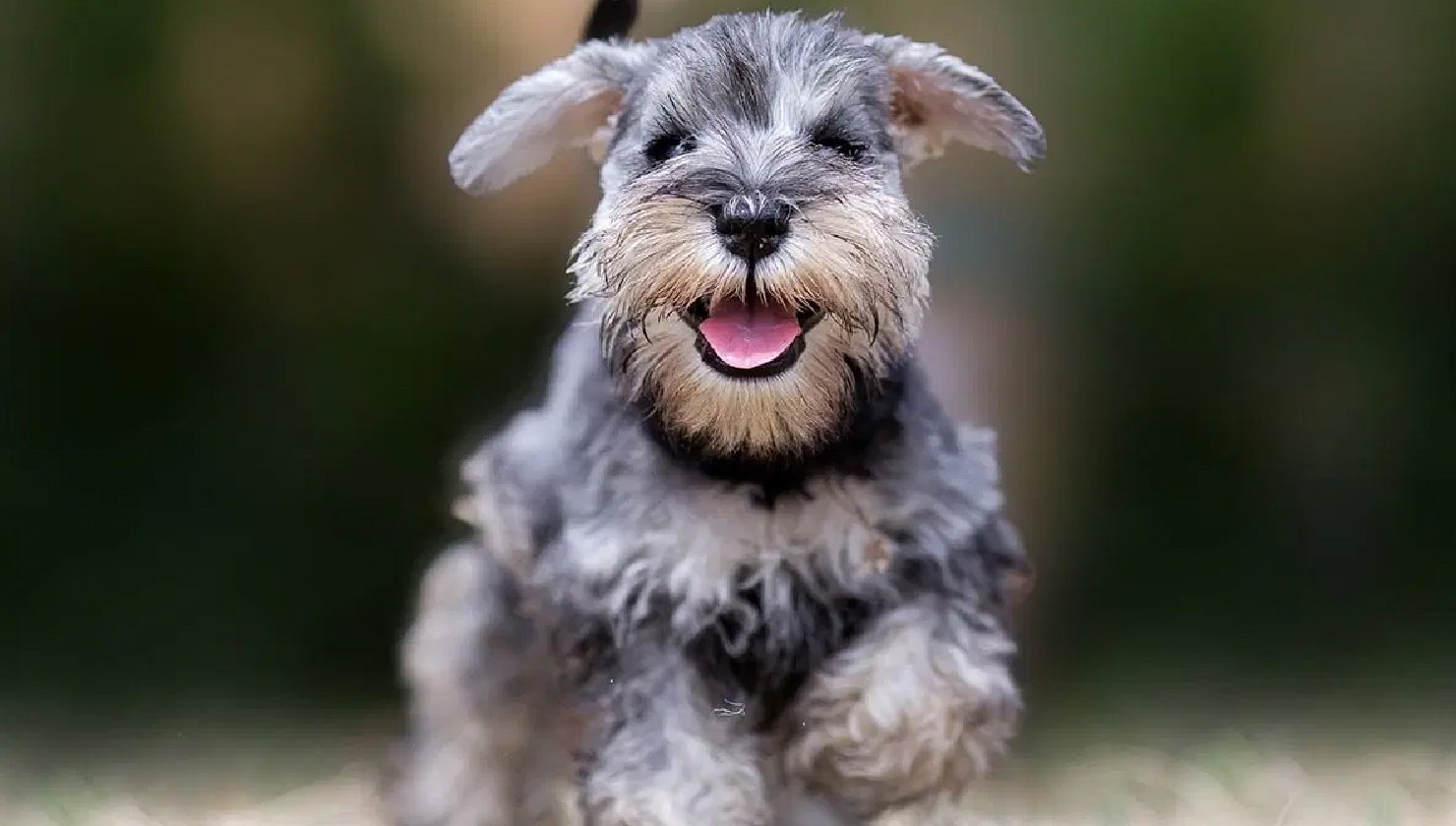
The Miniature Schnauzer, with its signature beard and bold personality, was developed in Germany in the late 19th century. It is the smallest of the three Schnauzer breeds, created by crossing the Standard Schnauzer with smaller breeds such as the Affenpinscher and possibly the Poodle. The goal was to create a compact, energetic farm dog that could excel at ratting and general watchdog duties while being small enough for life in a household setting.
The name “Schnauzer” comes from the German word schnauze, meaning “snout” or “muzzle”—a nod to the breed’s distinctive, whiskered face. Unlike their larger cousins who were bred for guarding and herding, Miniature Schnauzers were specialized vermin hunters and loyal companions to farmers and townspeople alike.
The breed was officially recognized in Germany by the early 20th century and gained popularity in the United States after World War I. It was recognized by the American Kennel Club in 1926. Thanks to their striking looks, clever minds, and adaptable size, Mini Schnauzers quickly became favorites in both show rings and homes.
Today, the Miniature Schnauzer is celebrated for its spirited temperament, intelligence, and affectionate nature. They are known to be alert but friendly—excellent watchdogs without being aggressive. Whether chasing toys or curling up with their family, Mini Schnauzers remain one of the most popular and endearing small breeds worldwide.