
418 Park Place, West Palm Beach, FL 33401
Mon – Fri: 9:00 am – 4:00 pm, Sat: 10am - 3pm

Lhasa Apso

History of the Lhasa Apso The Lhasa Apso, a small but sturdy breed with a flowing coat, originated in Tibet over a thousand years ago. Named after the sacred city of Lhasa, these dogs were bred by Tibetan monks and nobility to serve as sentinels in monasteries and palaces. Their keen hearing and alert nature …

History of the Lhasa Apso

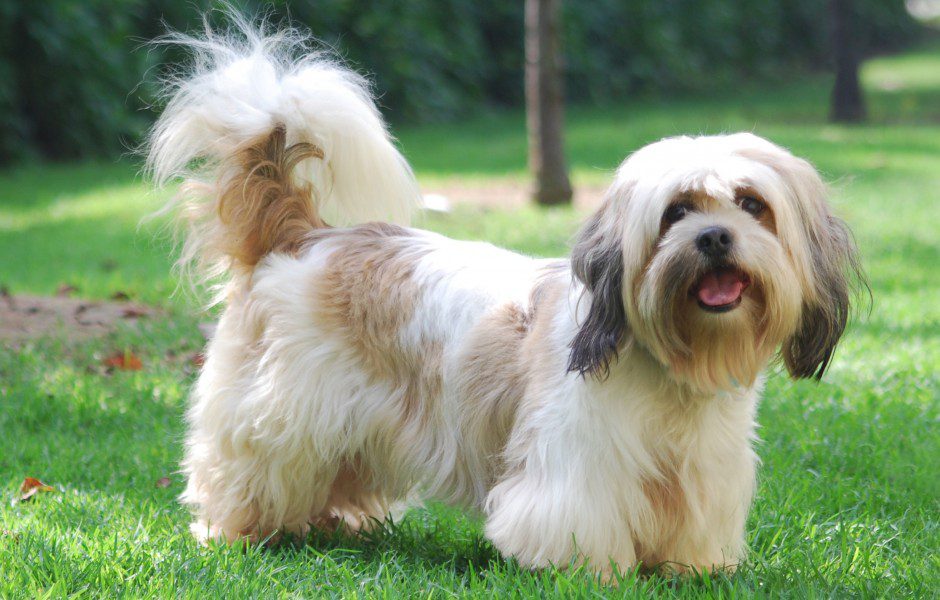
The Lhasa Apso, a small but sturdy breed with a flowing coat, originated in Tibet over a thousand years ago. Named after the sacred city of Lhasa, these dogs were bred by Tibetan monks and nobility to serve as sentinels in monasteries and palaces. Their keen hearing and alert nature made them excellent watchdogs, barking to warn of intruders while remaining loyal companions to their owners.

Regarded as symbols of good luck, Lhasa Apsos were often gifted by the Dalai Lama to visiting dignitaries, spreading the breed to China and beyond. Their long, dense coats protected them from Tibet’s harsh climate, and their independent, dignified demeanor reflected their revered status. The breed remained relatively isolated until the early 20th century, when Western explorers brought Lhasas to Europe and North America.

The American Kennel Club recognized the Lhasa Apso in 1935. Today, they are cherished as affectionate, intelligent pets with a touch of regal aloofness, thriving in homes where their grooming needs and spirited personality are appreciated.

Raise a Healthier, Happier Lhasa Apso: Care, Wellness, and Biohacks

Lhasa Apsos are charming, long-coated companions with a regal air and a knack for stealing hearts! These small but mighty dogs are packed with personality, and here are some fun facts to make you adore them even more. Get ready for some tail-wagging trivia!

Tibetan Temple Guardians

Lhasa Apsos were bred in Tibetan monasteries over 1,000 years ago to guard temples and alert monks to intruders! Named after the holy city of Lhasa, they’re little sentinels with a big spirit.

Lucky Lion Dogs

In Tibet, they’re called “Apso Seng Kyi,” meaning “bark lion sentinel dog,” for their lion-like mane and fierce loyalty. Locals believed they brought good luck to households!

Hollywood’s Hidden Stars

Lhasa Apsos have popped up in films and TV, often as pampered pets, showcasing their flowing coat and dignified charm. Their luxurious fur makes them camera-ready divas!

Floor-Length Fashionistas

Their long, flowing coat can reach the ground, earning them the nickname “Tibetan Carpets”! With proper grooming, they strut like royalty on four paws.

Long-Lived Lovelies

Lhasa Apsos can live 12–18 years, spreading joy with their sassy spirit. Their compact size and lush coat keep them prancing for years!

These fun facts show why Lhasa Apsos are such beloved companions, from their sacred Tibetan roots to their glamorous style. Got a Lhasa Apso? Share their regal antics with us, or let these tidbits spark your next cuddle session!

Lhasa Apsos are regal, long-coated pals, and a few preventative treatments keep them prancing with joy! Here’s a breezy guide to vet-approved care to ensure your Lhasa stays healthy and ready for watchful lounging or playful romps.

Regular Coat Grooming

Their flowing coat sheds seasonally and can mat easily. Brush daily with a pin brush and schedule professional grooming every 6–8 weeks to keep their fur luxurious and skin irritation-free for regal posing.

Dental Hygiene

Their compact mouths need diligent care to prevent plaque and periodontal disease. Brush teeth daily with dog-safe toothpaste and provide dental chews. Annual vet dental exams keep their bite strong.

Joint-Supporting Exercise

Their sturdy build enjoys moderate exercise (20–30 minutes daily), like leisurely walks or indoor games. Avoid rough play to protect knees and hips, keeping them nimble for sentinel duties.

Parasite Protection

Their adventurous outings can attract fleas, ticks, or heartworms. Use vet-approved preventatives (topical or oral) year-round, tailored to your region. Inspect their coat after excursions to spot issues early.

Regular Vet Visits

Annual vet checkups maintain your Lhasa in prime condition. Vaccinations, heartworm prevention, and screenings for eyes, kidneys, or bloodwork ensure they’re prepared for affection or alerts. Your vet can customize a plan for their independent lifestyle.

These simple steps will keep your Lhasa Apso bounding with joy! Always consult your vet for personalized advice to ensure your long-coated pal stays healthy and happy for years of fun.

Lhasa Apsos are regal, long-coated guardians with a watchful spirit and affectionate heart, but like all breeds, they have some common ailments and genetic predispositions to monitor to keep their flowing coats shining and tails wagging! Here’s a breezy guide to what to know, so your Lhasa stays healthy and ready for sentinel duties or cozy cuddles.

Dental Issues

Their small mouths can lead to crowded teeth and plaque buildup, increasing the risk of periodontal disease. Regular brushing and dental chews keep their grin sharp for those alert barks.

Eye Problems

Genetic conditions like progressive retinal atrophy (PRA), cataracts, cherry eye, or dry eye can affect vision. Routine eye exams catch issues early, ensuring they remain vigilant watchers.

Skin Allergies and Conditions

Prone to allergies from food, fleas, dust, or pollen, as well as sebaceous adenitis (a skin gland disorder). Gentle grooming and hypoallergenic diets help maintain their luxurious coat.

Kidney Issues

Renal dysplasia or other kidney problems can be inherited, impacting overall health. Regular bloodwork monitors kidney function, keeping their energy steady for playful romps.

Joint Concerns

Patellar luxation (slipping kneecaps) and hip dysplasia may occur, affecting mobility in their sturdy frame. Balanced exercise and weight management support their agile steps.

With proactive vet care, a healthy lifestyle, and lots of love, you can help your Lhasa Apso dodge these quirks and keep their regal spirit thriving! Always consult your vet for tailored advice to ensure your flowing-coated pal stays vibrant.

Lhasa Apsos are regal, long-coated companions, and the right vitamins and supplements can keep them thriving on every watchful patrol or cuddle! Here’s a vet-friendly guide to support their coat, joints, and vitality, ensuring they stay ready for play. Always check with your vet before starting supplements.

Omega-3 Fatty Acids

Omega-3s, like fish oil or algae oil, promote a shiny coat and healthy skin, ideal for Lhasas’ flowing fur. They also aid joint flexibility for their sturdy frame. Opt for dog-specific formulas with EPA and DHA, dosed at about 20–50 mg/kg daily.

Glucosamine and Chondroitin

Their joints may benefit from glucosamine-chondroitin blends, enhancing mobility and comfort for alert movements. Choose dog-formulated chews or powders with 300–500 mg glucosamine per 10 pounds of body weight.

Probiotics

A robust gut supports their independent energy. Probiotics aid digestion, particularly for sensitive systems. Select dog-safe options with strains like Lactobacillus or Bifidobacterium, in chews or powders, dosed per product guidelines for their guardian lifestyle.

Multivitamins

A comprehensive multivitamin bridges nutritional gaps, boosting overall vitality for their watchful days. Pick a vet-approved dog multivitamin with vitamins A, D, E, and B-complex, suited to small breeds, and follow dosing (often half a chew daily for their size).

Antioxidant Blends

Antioxidants such as vitamin C, vitamin E, or green tea extract bolster their immune system, keeping them primed for family interactions or rest. Dog-specific antioxidant chews or powders, dosed by weight, provide a wellness boost, perfect for biohacking Lhasa health.

These supplements can add an extra swish to your Lhasa Apso’s tail, but always consult your vet to ensure they’re right for your pup. With the right support, your Lhasa Apso will be ready to guard, cuddle, and charm their way through life!

Lhasa Apsos are regal, long-coated companions who love watchful lounging and affectionate cuddles, and holistic health practices can keep them bounding with happiness! These biohack-inspired tips blend wellness and fun to support your Lhasa’s mind, body, and spirit, perfect for their independent soul. Always check with your vet before trying new approaches.

Mental Stimulation Challenges

Lhasas’ alert minds crave engaging challenges! Use puzzle toys, like scent-tracking games or interactive feeders, for 10–15 minute daily sessions. Rotate activities weekly to tap into their guardian instincts, boosting focus and preventing boredom.

Whole-Food Diet Boosts

Fuel their vitality with a high-quality, whole-food diet rich in lean proteins (like lamb or turkey) and veggies (like spinach or sweet potatoes). Add a dash of turmeric for anti-inflammatory benefits or a spoonful of yogurt for gut health, making meals a biohacking delight.

Calming Herbal Scents

Their watchful energy appreciates serene moments. Use pet-safe calming scents like valerian or chamomile in a diffuser during rest time, with 1–2 drops in a well-ventilated space. This fosters a peaceful vibe for post-patrol relaxation or family bonding.

Gentle Massage Bonding

A 5–10 minute gentle massage after activity enhances circulation and strengthens your connection. Use light strokes along their back and limbs to ease tension, keeping them balanced for their next watchful adventure.

Indoor Enrichment Play

Harness their independent roots with indoor “explore” games, like hiding treats or gentle tug-of-war with soft toys, for 15–20 minutes daily. Vary play to stimulate their senses, promoting physical fitness and mental joy in a natural, biohacking-inspired way.

These holistic tips harness your Lhasa Apso’s regal spirit and love for guardianship, keeping them balanced and joyful. Pair them with regular vet care to ensure your long-coated pal stays healthy for years of watchful adventures. Got a favorite biohack for your Lhasa? Share the love!

Breed Details

  • Breed Name Lhasa Apso
  • Scientific Name Canis lupus familiaris
  • Breed Group (e.g., Herding, Hound, Toy) Non-Sporting
  • Origin Country Tibet
  • Height (Male / Female) 10–11 inches / 10–11 inches
  • Weight (Male / Female) 12–18 lbs / 12–18 lbs
  • Lifespan 12–15 years
  • Coat Type (e.g., short, long, curly) Long, dense, and straight; moderate shedding
  • Colors Available Black, white, cream, gold, red, brown, with or without markings
  • Temperament Traits (e.g., Friendly, Loyal, Aggressive) Independent, alert, loyal, affectionate, confident
  • Good with Children (Yes/No) Variable (best with older kids; may be aloof with rough play)
  • Good with Pets (Yes/No) Yes (generally good with socialization; may be territorial with other dogs)
  • Trainability Score Moderate (intelligent but independent; responds to patient, consistent training)
  • Common Health Issues Patellar luxation, progressive retinal atrophy, kidney issues, allergies, sebaceous adenitis
  • Grooming Needs High (brush daily to prevent matting; professional grooming every 6–8 weeks)
  • Exercise Needs Moderate (30–45 minutes daily; walks and indoor play suffice)
  • Holistic/Bio Hacking Diet Feed 0.75–1.25 cups of a raw or gently cooked diet daily, split into two meals. Use 60% lean meats (chicken, turkey, lamb), 20% organ meats (liver, kidney), 15% vegetables (kale, carrots, green beans), and 5% bone or calcium source. Supplement with 500 mg omega-3 fish oil daily for coat and skin health. Add 1 tsp bone broth weekly for joint support. If kibble is used, mix 1/4 cup grain-free, high-protein kibble with raw (20% of diet). Adjust for moderate activity.