
418 Park Place, West Palm Beach, FL 33401
Mon – Fri: 9:00 am – 4:00 pm, Sat: 10am - 3pm

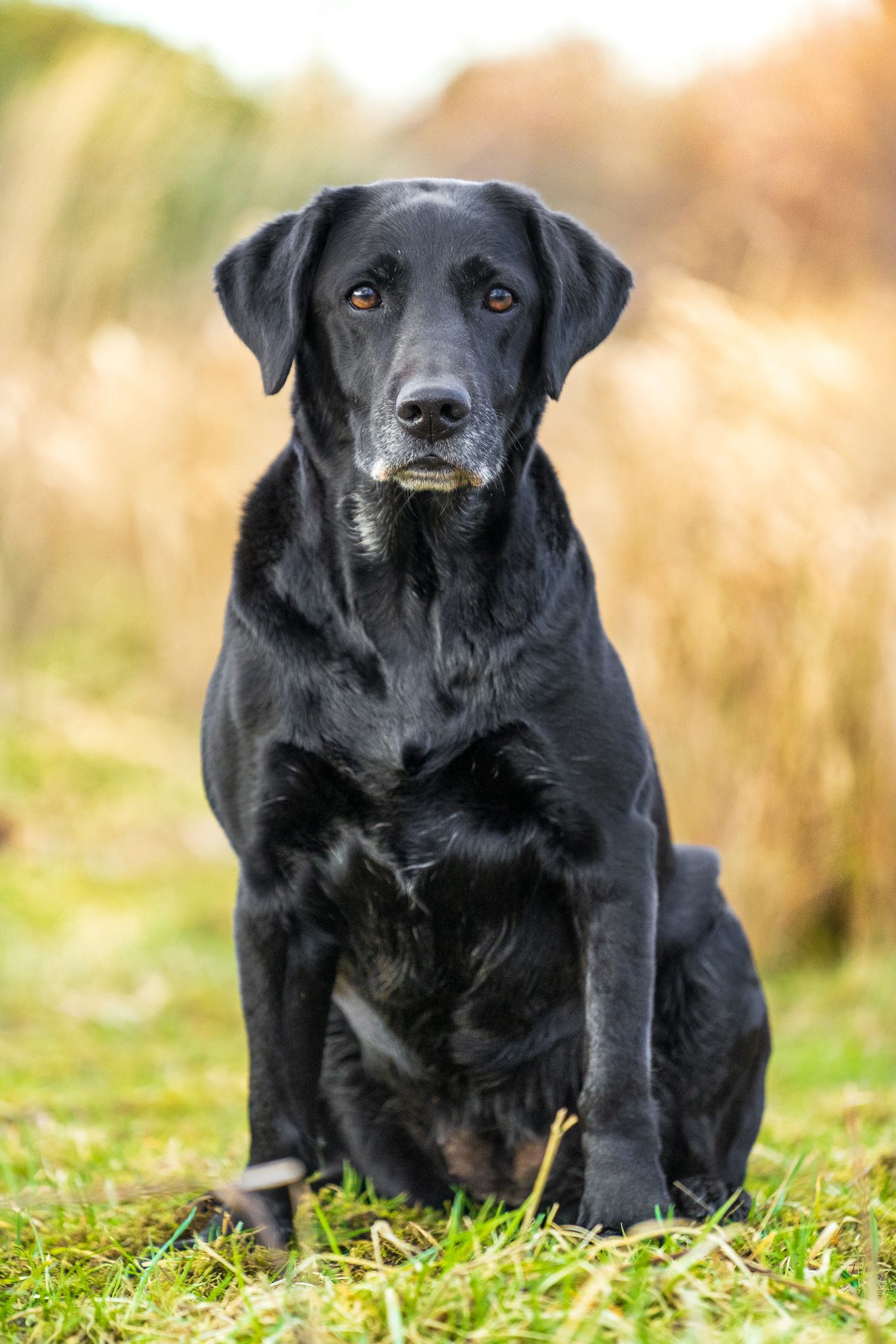
Black Labrador Retriever

History of the Black Labrador Retriever The Black Labrador Retriever is the original and most historically common color of the beloved Labrador breed. Its origins date back to the early 1800s on the island of Newfoundland, Canada, where a now-extinct breed called the St. John’s Water Dog was prized by fishermen for its strong swimming …

History of the Black Labrador Retriever

The Black Labrador Retriever is the original and most historically common color of the beloved Labrador breed. Its origins date back to the early 1800s on the island of Newfoundland, Canada, where a now-extinct breed called the St. John’s Water Dog was prized by fishermen for its strong swimming ability and instinct to retrieve game and fishing lines from cold Atlantic waters.

British nobles visiting Newfoundland were impressed by these dogs and brought them back to England. There, the breed was refined and standardized, especially through the efforts of families like the Earls of Malmesbury and Dukes of Buccleuch. These early breeders focused on enhancing the dogs’ retrieving ability, temperament, and trainability—traits that remain hallmarks of the breed today. The vast majority of these early Labradors were black, which is why black remains the most traditional and iconic coat color for the breed.

Black Labradors quickly became a favorite among sportsmen for their endurance, focus, and drive in the field, particularly in waterfowl and upland game hunting. Their keen nose, calm nature, and desire to work made them standouts in the field and obedient partners at home.

Today, the Black Labrador Retriever is cherished for much more than its hunting prowess. These dogs are staples in service roles—working as guide dogs, search-and-rescue dogs, and therapy animals. Known for their intelligence, loyalty, and famously friendly disposition, black Labs continue to be among the most popular family pets and working dogs around the world.

Raise a Healthier, Happier Black Labrador Retriever: Care, Wellness, and Biohacks

Black Labrador Retrievers are sleek, energetic companions known for their shiny coats, with a charm that lights up any room! These ebony retrievers are packed with personality, and here are some fun facts to make you adore them even more. Get ready for some tail-wagging trivia!

Midnight Coat Mystique

Black Labs’ shiny ebony coat is the original color, bred for blending into shadows during hunts! Their sleek look makes them stealthy stars in fields or photos.

Hollywood Ebony Stars

Black Labs have starred in movies like The Incredible Journey, stealing scenes with their loyal antics. Their dark coat adds drama to family tales!

Water-Loving Wonders

Black Labs dive into water with glee, thanks to their retrieving roots! Their webbed feet and love for splashing make them ultimate night-swimmers.

Therapy Dog Darlings

Their gentle nature makes black Labs top picks for therapy work, spreading smiles in hospitals. Their shiny coat brightens any room!

Long-Lived Lovelies

Black Labs can live 10–12 years, spreading joy with their playful spirit. Their ebony color keeps them fetching for years!

These fun facts show why black Labrador Retrievers are such beloved companions, from their midnight glow to their therapy charm. Got a black Lab? Share their sleek antics with us, or let these tidbits spark your next play session!

Black Labrador Retrievers are sleek, energetic pals, and a few preventative treatments keep them bounding with happiness! Here’s a breezy guide to vet-approved care to ensure your black Lab stays healthy and ready for fetch or snuggles.

Regular Coat Grooming

Their black coat sheds moderately, especially seasonally. Brush weekly with a slicker brush to keep their fur glossy and skin healthy, ensuring their midnight shine for romps.

Weight Control Plan

Their treat-loving nature can lead to chubbiness (55–80 pounds ideal). Feed a balanced diet with measured portions. Regular vet weigh-ins ensure they stay fit for bounding.

Dental Hygiene

Their retrieving jaws need care to avoid plaque buildup. Brush a few times a week with dog-safe toothpaste and offer dental chews. Annual vet dental checkups keep their grin sparkling.

Parasite Protection

Their outdoor play in grass or water can attract fleas or ticks. Use vet-approved preventatives (topical or oral) year-round. Check their coat after romps to catch pests early.

Regular Vet Visits

Yearly vet checkups keep your black Lab in top form. Vaccinations, heartworm prevention, and eye or joint screenings ensure they’re ready for retrieving or cuddles. Your vet can tailor a plan for their sleek lifestyle.

These simple steps will keep your black Labrador Retriever bounding with joy! Always consult your vet for personalized advice to ensure your shiny pal stays healthy and happy for years of fun.

Black Labrador Retrievers are sleek, energetic companions known for their shiny coats, but like all Labs, they have some common ailments and genetic predispositions to watch for to keep their tails wagging! Here’s a light look at what to know, so your black Lab stays healthy and ready for fetch or cuddles.

Joint Concerns

Their active romps can stress joints, making them prone to hip dysplasia or elbow dysplasia, where joints fit loosely, affecting mobility. A balanced diet and controlled exercise support their sturdy frame for endless play.

Weight Gain Tendencies

Black Labs love treats and can pack on pounds, especially with their pleading eyes! Extra weight strains joints and energy. Portion control keeps them fit for bounding.

Skin Sensitivities

Their black coat may show dandruff more visibly, leading to skin irritations after romps. Regular grooming and skin checks keep their sleek fur glossy and itch-free.

Eye Conditions

Their kind eyes may develop progressive retinal atrophy or cataracts, impacting vision. Routine vet eye checks ensure their gaze stays bright for spotting toys.

Thyroid Imbalances

Some black Labs inherit hypothyroidism, causing sluggishness or weight gain. Routine vet bloodwork catches this early, keeping their energy high.

With proactive vet care, a healthy lifestyle, and lots of love, you can help your black Labrador Retriever dodge these quirks and keep their sleek spirit thriving! Always consult your vet for tailored advice tailored to your shiny pal.

Black Labrador Retrievers are sleek, energetic companions, and the right vitamins and supplements can keep them thriving on every fetch or cuddle! Here’s a vet-friendly guide to support their coat, joints, and energy, ensuring they stay ready for play. Always check with your vet before starting supplements.

Omega-3 Fatty Acids

Omega-3s, like fish oil or flaxseed oil, promote a glossy coat and healthy skin, perfect for black Labs’ sleek fur. They also support joint comfort for their active romps. Choose dog-specific supplements with EPA and DHA, dosed at about 20–50 mg/kg daily.

Glucosamine and Chondroitin

Their retrieving leaps can stress joints, especially hips or elbows. Glucosamine-chondroitin combos support joint health and mobility, keeping them agile for play. Look for dog-formulated chews or powders with 500–1000 mg glucosamine per 25 pounds of body weight.

Probiotics

A healthy gut fuels their boundless energy. Probiotics support digestion, especially for treat-loving black Labs. Choose dog-safe probiotics with strains like Lactobacillus or Bifidobacterium, in chews or powders, dosed per product guidelines for their active lifestyle.

Multivitamins

A balanced multivitamin fills nutritional gaps, boosting vitality for their retrieving sprees. Select a vet-approved dog multivitamin with vitamins A, D, E, and B-complex, tailored to medium-to-large breeds, and follow dosing (usually one chew daily).

Antioxidant Blends

Antioxidants like vitamin C, vitamin E, or CoQ10 support their immune system, keeping them ready for outdoor play or training. Dog-specific antioxidant chews or powders, dosed by weight, add a wellness boost, perfect for biohacking black Lab health.

These supplements can add an extra wag to your black Lab’s tail, but always consult your vet to ensure they’re right for your pup. With the right support, your black Labrador Retriever will be ready to fetch, swim, and charm their way through life!

Black Labrador Retrievers are sleek, energetic companions who love fetch and cuddles, and holistic health practices can keep them bounding with happiness! Here’s a breezy guide to biohack-inspired recommendations to support their mind, body, and spirit, perfect for their playful soul. Always check with your vet before trying new approaches.

Mental Stimulation Games

Black Labs’ sharp minds crave challenges! Use puzzle toys or scent games (hide treats in the yard) for 15–20 minute daily sessions to mimic retrieving, boosting focus and preventing boredom.

Whole-Food Diet Boosts

Fuel their energy with lean proteins (salmon, chicken) and veggies (carrots, kale). Add chia seeds for omega-3s or bone broth for hydration, making meals a biohacking delight for coat shine and vitality.

Calming Herbal Scents

Their playful energy loves calm moments. Use lavender or chamomile in a diffuser (1–2 drops) during downtime for soothing vibes, ideal for post-fetch relaxation.

Gentle Massage Bonding

A 5–10 minute massage after play boosts circulation. Use light strokes along their back to relax muscles, deepening your bond and keeping them balanced for adventures.

Outdoor Enrichment Play

Tap into their retrieving roots with field games or water fetch for 30–60 minutes daily. Vary activities to stimulate senses, promoting fitness and joy in a natural, biohacking-inspired setting.

These holistic tips harness your black Lab’s playful spirit, keeping them balanced and joyful. Pair with vet care for personalized advice!

Breed Details

  • Breed Name (Black) Labrador Retriever
  • Scientific Name Canis lupus familiaris
  • Breed Group (e.g., Herding, Hound, Toy) Sporting
  • Origin Country Canada (developed in England)
  • Height (Male / Female) 22.5–24.5 inches / 21.5–23.5 inches
  • Weight (Male / Female) 65–80 lbs / 55–70 lbs
  • Lifespan 10–12 years
  • Coat Type (e.g., short, long, curly) Short, dense double coat; moderate shedding, water-repellent
  • Colors Available Black (solid)
  • Temperament Traits (e.g., Friendly, Loyal, Aggressive) Friendly, outgoing, intelligent, gentle, loyal, versatile
  • Good with Children (Yes/No) Yes (exceptional family dogs; patient and playful, great with all ages)
  • Good with Pets (Yes/No) Yes (sociable; gets along with dogs and other pets with proper introductions)
  • Trainability Score Very high (eager to please; excels in service, search-and-rescue, and hunting roles)
  • Common Health Issues Hip dysplasia, elbow dysplasia, obesity, progressive retinal atrophy, exercise-induced collapse
  • Grooming Needs Moderate (brush weekly, more during shedding season; bathe every 6–8 weeks, trim nails)
  • Exercise Needs High (60–90 minutes daily; swimming, fetch, or running to satisfy their active nature)
  • Holistic/Bio Hacking Diet Provide 2.5–3.5 cups of a raw or gently cooked diet daily, split into two meals. Use 60% lean meats (beef, chicken, fish), 20% organ meats (kidney, liver), 15% vegetables (spinach, carrots, zucchini), and 5% calcium (ground eggshell). Add 1000 mg omega-3 fish oil daily for skin and joint health, targeting elbow dysplasia. Include 1 tsp turmeric weekly for anti-inflammatory benefits. If kibble is needed, mix 1/2 cup grain-free, high-protein kibble with raw (20% of diet). Adjust for high activity like swimming.