
History of the Great Dane The Great Dane, often referred to as the “Apollo of Dogs” for its majestic stature and elegance, has a history that stretches back more than 400 years. Despite its name, the breed’s origins lie in Germany, not Denmark. German nobility in the 16th and 17th centuries developed the Great Dane …

History of the Great Dane
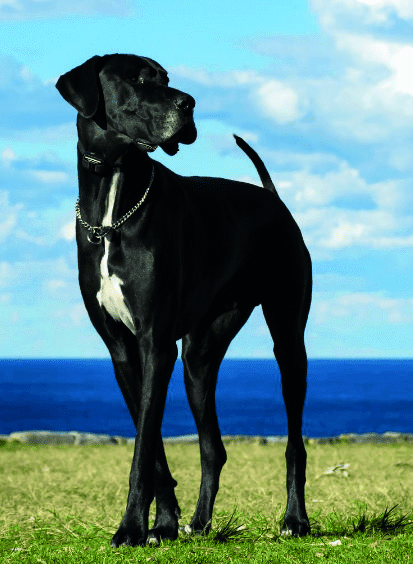
The Great Dane, often referred to as the “Apollo of Dogs” for its majestic stature and elegance, has a history that stretches back more than 400 years. Despite its name, the breed’s origins lie in Germany, not Denmark. German nobility in the 16th and 17th centuries developed the Great Dane by crossing large English Mastiffs with swift Irish Wolfhounds, creating a dog powerful enough to hunt wild boar yet refined enough to serve as a distinguished companion.
Early Great Danes, known as “Boar Hounds,” were prized for their strength, courage, and ability to protect their owners during hunts. Over time, as the need for boar hunting declined, German breeders focused on enhancing the breed’s temperament, transforming the Great Dane into a gentle and loyal household guardian while maintaining its impressive size and regal appearance.
The breed’s elegance and commanding presence quickly drew attention across Europe and beyond. In 1880, German breeders officially named the dog “Deutsche Dogge,” but the English-speaking world continued to call it the Great Dane, a name that remains to this day. The American Kennel Club recognized the breed in 1887, cementing its place among the most admired giant breeds.
Today, the Great Dane is celebrated for its affectionate nature, calm demeanor, and devotion to its family. While still commanding in size, it is known as a gentle giant—equally at home lounging on the couch as it is impressing onlookers with its dignified stride. Loved worldwide, the Great Dane remains a symbol of grace, power, and companionship.