
418 Park Place, West Palm Beach, FL 33401
Mon – Fri: 9:00 am – 4:00 pm, Sat: 10am - 3pm

Giant Schnauzer

History of the Giant Schnauzer The Giant Schnauzer, a powerful and versatile working breed, originated in the Bavarian Alps of Germany in the 17th century. Developed from the Standard Schnauzer, the Giant was bred to be larger and stronger by crossing with breeds like the Great Dane and Bouvier des Flandres. Its primary role was …

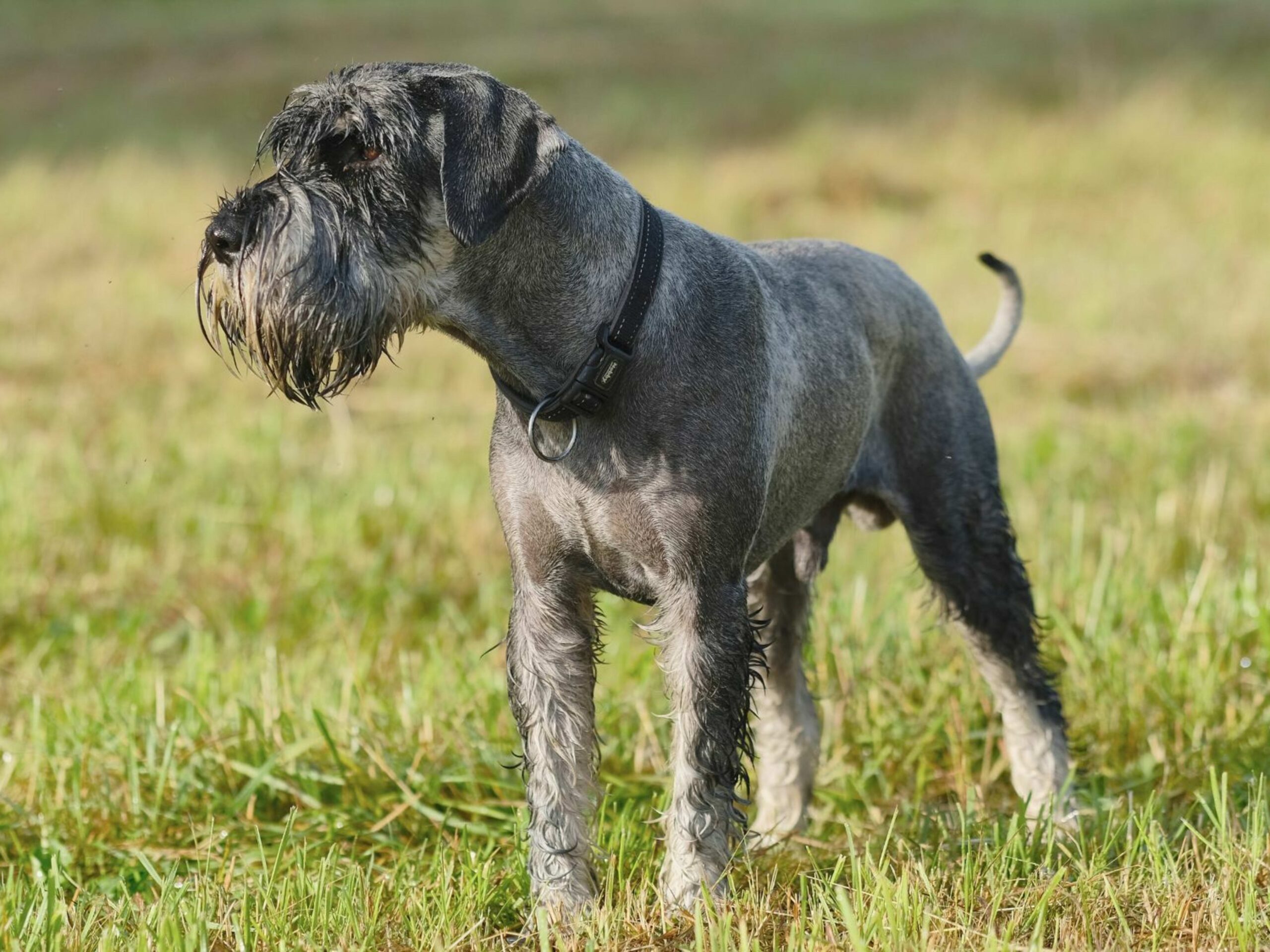
History of the Giant Schnauzer

The Giant Schnauzer, a powerful and versatile working breed, originated in the Bavarian Alps of Germany in the 17th century. Developed from the Standard Schnauzer, the Giant was bred to be larger and stronger by crossing with breeds like the Great Dane and Bouvier des Flandres. Its primary role was as a multi-purpose farm dog, tasked with driving cattle, guarding property, and pulling carts to market.

In the 19th century, Giant Schnauzers became valued as guard dogs for breweries, butchers, and merchants in Bavaria, earning the nickname “Riesenschnauzer” (giant beard). Their intelligence, strength, and distinctive wiry coat made them well-suited for demanding tasks. During World War I and II, they served as military dogs, showcasing their reliability and trainability.

The breed arrived in the United States in the early 20th century and was recognized by the American Kennel Club in 1930. Today, Giant Schnauzers are prized as loyal companions, guard dogs, and competitors in dog sports, though their high energy and strong-willed nature require experienced owners.

Raise a Healthier, Happier Giant Schnauzer: Care, Wellness, and Biohacks

Giant Schnauzers are the largest of the Schnauzer family, known for their imposing size, wiry coat, and distinctive beard that gives them a wise, distinguished look. These loyal, intelligent dogs are packed with personality, and here are some fun facts to make you adore them even more. Get ready for some tail-wagging trivia!

The “Thinker” of Dogs

Giant Schnauzers are often called “the dog with the human brain” due to their exceptional intelligence and problem-solving skills. They’re quick learners and excel in obedience, making them stars in dog sports and work roles!

War Heroes and Police Pups

During World War I and II, Giant Schnauzers served as guard dogs and messengers for the German army. Today, they’re popular in police and military work, thanks to their bravery, loyalty, and keen senses.

Hypoallergenic Giants

Despite their size, Giant Schnauzers have a wiry, non-shedding coat that’s hypoallergenic, making them a great choice for allergy sufferers who want a big dog with low dander!

Bearded Bodyguards

Originally bred in Germany to drive cattle to market and guard farms, their name comes from “Schnauze,” German for muzzle, referring to their iconic beard. They’re natural protectors but gentle with family!

Agile Athletes in Disguise

Though they look sturdy, Giant Schnauzers are surprisingly agile and love activities like agility courses or hiking. They can even learn to skateboard, showing off their playful side!

These fun facts highlight why Giant Schnauzers are such incredible companions—smart, protective, and full of surprises. Got a Giant Schnauzer? Share their bearded adventures with us, or let these tidbits inspire your next training session!

Giant Schnauzers are bold, bearded powerhouses with a protective spirit and wiry coat, but a few preventative treatments can keep them thriving and ready for adventure or cuddles! Here’s a breezy guide to vet-approved care to ensure your Giant Schnauzer stays healthy, energetic, and full of that signature Schnauzer swagger.

Scheduled Veterinary Checkups

Bring your Giant Schnauzer in for annual (or bi-annual for seniors) vet visits to monitor overall health. This includes cardiac exams for cardiomyopathy, thyroid tests for hormonal balance, and hip evaluations to catch dysplasia early—keeping their strong frame in top shape for patrolling or play.

Bloat Prevention Strategies

Giant Schnauzers’ deep chests make bloat a risk, so feed smaller, more frequent meals (2-3 times a day) using slow-feeder bowls. Avoid exercise right after eating, and elevate food bowls if recommended by your vet to promote smooth digestion and prevent tummy twists.

Coat and Skin Maintenance

Their wiry coat needs weekly brushing with a slicker brush and hand-stripping or clipping every 6-8 weeks to prevent matting and skin issues like hot spots. Clean their beard after meals to avoid bacterial buildup, ensuring their distinctive look stays itch-free and fabulous.

Joint and Bone Support Through Exercise

Provide 60-90 minutes of daily moderate exercise like walks or swimming to build muscle without over-stressing joints. Avoid high-impact activities for puppies under 18 months to prevent growth-related issues, and maintain a healthy weight (65-110 lbs) to support their large-breed bones.

Dental and Ear Care Routine

Brush their teeth 2-3 times a week with dog-safe toothpaste and provide dental chews to prevent plaque. Clean their ears weekly with a vet-recommended solution to avoid infections from trapped moisture, keeping their alert expression bright and healthy.

These simple steps will help your Giant Schnauzer stay bold and bouncy! Always consult your vet for personalized advice to ensure your bearded buddy enjoys a long, vibrant life full of loyalty and fun.

Giant Schnauzers are bold, intelligent guardians with a striking beard and wiry coat, but like all breeds, they have some common ailments and genetic predispositions to watch for to keep their tails wagging! Here’s a light look at what to know, so your Giant Schnauzer stays healthy and ready for patrolling or cuddles.

Hip Dysplasia

This genetic condition affects the hip joints, leading to discomfort or mobility issues in large breeds like the Giant Schnauzer. Early screening and weight management can help keep their powerful frame moving smoothly.

Gastric Dilatation-Volvulus (Bloat)

Giant Schnauzers’ deep chests make them prone to bloat, a sudden and serious stomach twist. Feeding smaller, frequent meals and avoiding exercise right after eating are key to prevention.

Hypothyroidism

A common hormonal imbalance where the thyroid doesn’t produce enough hormones, causing weight gain or lethargy. Regular blood tests can catch this early, ensuring your Schnauzer’s energy stays high for playtime.

Dilated Cardiomyopathy

This heart condition, sometimes genetic, can weaken the heart muscle. Routine cardiac exams help monitor and support their strong, loyal heart for years of companionship.

Von Willebrand’s Disease

A bleeding disorder due to a deficiency in clotting factors, which can lead to excessive bleeding from injuries. Genetic testing and careful surgery prep keep adventures safe.

Atopic Dermatitis (Allergies)

Their wiry coat can be sensitive to allergens, leading to itchy skin or hot spots. Keeping up with grooming and allergen control helps maintain their distinctive look without discomfort.

With proactive vet care, a healthy lifestyle, and lots of love, you can help your Giant Schnauzer dodge these quirks and keep their spirited, protective nature shining! Always consult your vet for tailored advice to ensure your bearded buddy stays vibrant and full of energy.

Giant Schnauzers are bold, bearded guardians with boundless energy, and the right vitamins and supplements can keep them thriving through every patrol or cuddle session! Here’s a vet-friendly guide to support their joints, coat, digestion, and overall vitality, ensuring they stay ready for action, aligned with holistic wellness principles. Always check with your vet before starting supplements, as Giant Schnauzers (65–110 lbs) need large-breed dosing to match their size and activity level.

Glucosamine and Chondroitin

Giant Schnauzers’ large frame makes joint support essential to prevent dysplasia or arthritis. These compounds promote cartilage health and mobility. Choose high-quality, dog-specific chews or powders – 1,000–1,500 mg glucosamine + 800–1,200 mg chondroitin daily, split into meals for better absorption.

Omega-3 Fatty Acids (Fish Oil)

For their wiry coat and skin health, omega-3s reduce inflammation and support heart function, crucial for this breed’s predisposition to cardiomyopathy. Select dog-specific fish oil supplements with EPA and DHA – 1,000–2,000 mg EPA/DHA daily, added to food for shiny fur and joint ease.

Probiotics

To aid digestion and immune health, probiotics help with occasional tummy upset from their active lifestyle. Choose dog-specific probiotics with strains like Lactobacillus or Bifidobacterium – 1–5 billion CFUs daily, in powder or chew form, to maintain gut balance.

Multivitamin Complex

A daily multivitamin fills gaps in diet for overall energy and vitality, including vitamins A, B-complex, C, D, E for skin, coat, and bone support. Choose a dog-specific multivitamin tailored to large breeds – 1 chew daily, with antioxidants to boost immune function.

CoQ10 (for Heart Health)

As a specialty for cardiac support, CoQ10 helps with energy production in heart muscles. Select dog-specific CoQ10 supplements – 30–100 mg daily, especially for seniors or those with breed heart risks.

These supplements are tailored for Giant Schnauzers’ size and needs, focusing on joint and heart health. Start low and monitor, adjusting based on vet input for optimal results.

Giant Schnauzers are bold, intelligent guardians who love patrolling and cuddles, and holistic health practices can keep them thriving with vitality! These biohack-inspired recommendations focus on natural, non-medical approaches to support their mind, body, and spirit, perfect for their hardworking soul. Always consult your vet before trying new methods, especially for large breeds like Giants (65-110 lbs).

Mental Stimulation with Scent Work

Giant Schnauzers’ sharp senses thrive on brain games! Set up daily 15-20 minute scent trails in the yard (hide treats or toys) to mimic guarding duties. This biohack boosts cognitive function, reduces boredom, and channels their protective instincts—rotate scents weekly for novelty.

Whole-Food Diet Optimization

Fuel their energy with a raw or home-cooked whole-food diet of lean proteins (beef, chicken) and veggies (carrots, spinach) to support coat health and digestion. Biohack tip: Add turmeric (1/4 tsp daily with black pepper for absorption) for natural anti-inflammatory benefits, helping with joint comfort—monitor weight to prevent obesity in this breed.

Calming Aromatherapy Sessions

For their high-drive energy, use pet-safe essential oils like lavender in a diffuser (1-2 drops in a well-ventilated room) during 10-minute downtime sessions post-exercise. This holistic hack promotes relaxation and reduces stress, ideal for Giants’ protective nature—pair with soft music for enhanced calming.

Gentle Massage and Acupressure

Enhance recovery with 5-10 minute daily massages focusing on light strokes along the back and legs to improve circulation and bond. Biohack upgrade: Incorporate acupressure points (e.g., gentle pressure on the inner ear for calming) to support joint health and vitality—use after play to prevent stiffness.

Outdoor Enrichment with Nature Walks

Tap into their guarding roots with structured 30-60 minute nature walks, letting them explore scents and textures for sensory stimulation. Biohack tip: Incorporate grounding (walking barefoot on grass, if safe) to boost mood and immune function—vary trails weekly to keep mental engagement high and prevent behavioral issues.

These holistic and biohack recommendations harness your Giant Schnauzer’s bold spirit, keeping them balanced and joyful. Pair with vet care for a complete wellness plan, and adjust based on their size and activity level for optimal results.

Breed Details

  • Breed Name Giant Schnauzer
  • Scientific Name Canis lupus familiaris
  • Breed Group (e.g., Herding, Hound, Toy) Working
  • Origin Country Germany
  • Height (Male / Female) 25.5–27.5 inches / 23.5–25.5 inches
  • Weight (Male / Female) 60–85 lbs / 55–75 lbs
  • Lifespan 12–15 years
  • Coat Type (e.g., short, long, curly) Wiry, dense, and medium-length; moderate shedding
  • Colors Available Solid black, salt and pepper
  • Temperament Traits (e.g., Friendly, Loyal, Aggressive) Intelligent, bold, loyal, protective, energetic
  • Good with Children (Yes/No) Yes (devoted but needs supervision due to size and energy; best with older kids)
  • Good with Pets (Yes/No) Variable (may be dominant with other dogs; early socialization critical)
  • Trainability Score Very high (highly intelligent, thrives on structured training and working tasks)
  • Common Health Issues Hip dysplasia, bloat, hypothyroidism, autoimmune disorders, osteochondrosis
  • Grooming Needs High (brush 2–3 times weekly; professional clipping every 6–8 weeks; clean beard regularly)
  • Exercise Needs High (60–90 minutes daily; needs vigorous activity like running, hiking, or agility)
  • Holistic/Bio Hacking Diet Feed 3–4 cups of a raw or gently cooked diet daily, split into two meals. Use 65% lean meats (beef, lamb, turkey), 15% organ meats (liver, heart), 15% vegetables (broccoli, carrots, spinach), and 5% bone or calcium source. Supplement with 1500 mg omega-3 fish oil daily for joint and coat health. Add 1 tbsp bone broth twice weekly for joint support. If kibble is used, mix 3/4 cup grain-free, high-protein kibble with raw (20% of diet). Use elevated bowls to reduce bloat risk, tailored for high activity.