
History of the German Shepherd The German Shepherd was developed in the late 19th century by Captain Max von Stephanitz in Germany. Driven by the desire to create the perfect herding dog, von Stephanitz selectively bred various sheepdogs from different regions of Germany, focusing on traits such as intelligence, strength, agility, and loyalty. His goal …

History of the German Shepherd
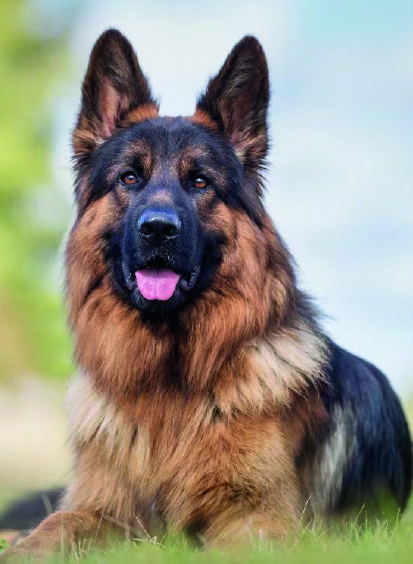
The German Shepherd was developed in the late 19th century by Captain Max von Stephanitz in Germany. Driven by the desire to create the perfect herding dog, von Stephanitz selectively bred various sheepdogs from different regions of Germany, focusing on traits such as intelligence, strength, agility, and loyalty. His goal was not only to produce a reliable working dog but also one that was adaptable to various tasks.
The first registered German Shepherd, Horand von Grafrath, became the standard for future breeding and is considered the foundation of the modern breed.
With the rise of industrialization, traditional herding roles declined, but the German Shepherd’s versatility made it a natural fit for military and police work. The breed gained international fame during World War I, serving as messengers, rescue dogs, and guard dogs. Despite initial anti-German sentiment, their bravery won admiration, and they quickly grew in popularity, particularly in the United States, where Rin Tin Tin — a German Shepherd rescued from a WWI battlefield — became a beloved film star.
Today, the German Shepherd remains one of the most recognized and respected breeds worldwide. Known for its intelligence, loyalty, and trainability, it continues to serve in police, military, search-and-rescue, and service dog roles, while also being a cherished family companion.