
History of the English Bulldog The English Bulldog, with its distinctive wrinkled face and muscular, compact build, has a history rooted in England’s past. Originating in the 13th century, the breed was developed for bull-baiting, a brutal sport where dogs attacked tethered bulls. These early English Bulldog were fierce, tenacious, and bred for strength and …

History of the English Bulldog
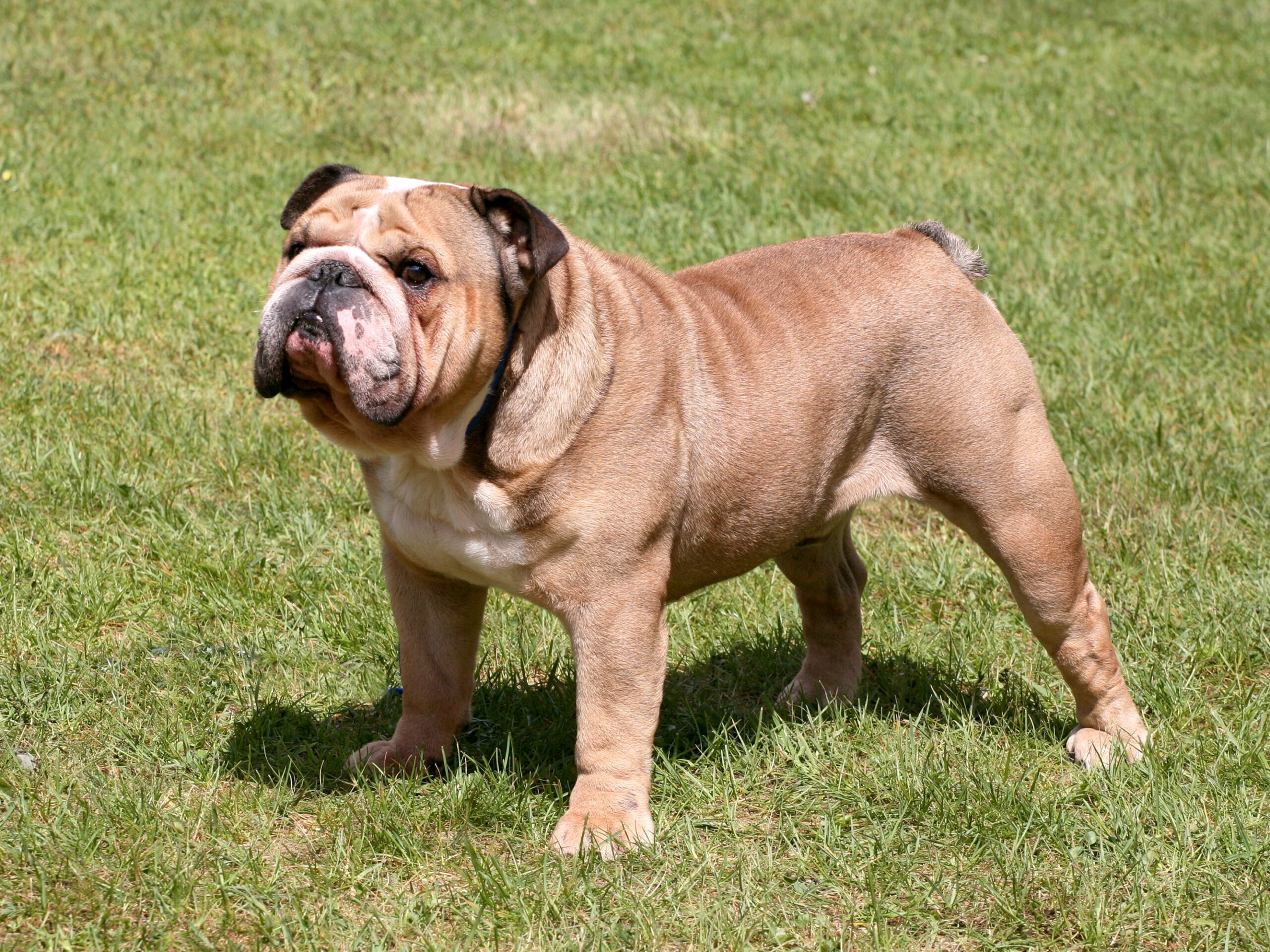
The English Bulldog, with its distinctive wrinkled face and muscular, compact build, has a history rooted in England’s past. Originating in the 13th century, the breed was developed for bull-baiting, a brutal sport where dogs attacked tethered bulls. These early English Bulldog were fierce, tenacious, and bred for strength and courage, with powerful jaws and a low center of gravity suited for the task.
When bull-baiting was outlawed in England in 1835, the English Bulldog’s purpose shifted. Breeders began selecting for milder temperaments, transforming the breed into a gentler companion. By the late 19th century, the English Bulldog’s iconic appearance—smooth coat, broad head, and short snout—had been standardized. The breed became a symbol of British tenacity, often associated with figures like Winston Churchill.
The English Bulldog was recognized by the American Kennel Club in 1886 and gained popularity in the United States as a loyal, affectionate pet. Today, English Bulldog are known for their calm, courageous, and friendly nature, thriving as family companions despite their historical roots in a far more aggressive role.