
History of the Dachshund The Dachshund, instantly recognizable for its long body and short legs, was developed in Germany several centuries ago as a specialized hunting dog. Its name translates to “badger dog” (Dachs meaning badger, Hund meaning dog), reflecting its original purpose: tracking, chasing, and flushing badgers from their dens. Early breeders selectively combined …

History of the Dachshund
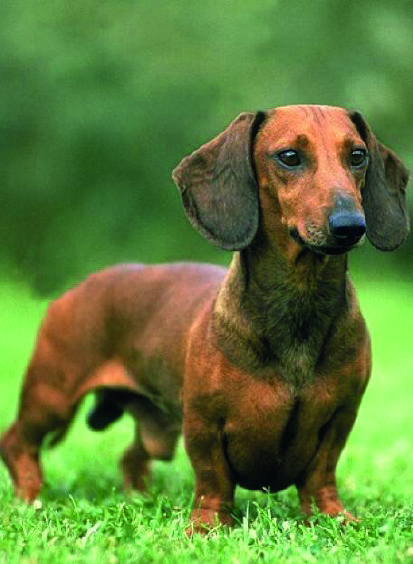
The Dachshund, instantly recognizable for its long body and short legs, was developed in Germany several centuries ago as a specialized hunting dog. Its name translates to “badger dog” (Dachs meaning badger, Hund meaning dog), reflecting its original purpose: tracking, chasing, and flushing badgers from their dens. Early breeders selectively combined scent hounds for tracking ability with terriers for boldness and digging skill, creating a dog with both keen nose and fearless spirit.
By the 16th century, Dachshunds were highly valued for their versatility in the field. Two primary sizes were developed—larger dogs for badger and boar hunting, and smaller ones for pursuing hare and fox. Their elongated bodies and strong forequarters made them ideal for going underground, while their loud, deep bark allowed hunters to locate them during the chase.
Over time, the breed’s popularity spread beyond the hunt. Nobility and common folk alike admired the Dachshund’s intelligence, loyalty, and playful personality. In the late 19th century, they began to be bred more often as companions, and their coat varieties—smooth, longhaired, and wirehaired—became standardized. The American Kennel Club recognized the breed in 1885, and they quickly became favorites in the United States.
Today, the Dachshund is celebrated as both a spirited hunter and an affectionate family pet. While their fearless nature still shines, they are just as content curled up at home as they are exploring the outdoors. With their distinctive silhouette and lively character, Dachshunds remain one of the world’s most charming and enduring breeds.