
History of the Chinese Shar Pei The Chinese Shar Pei, with its distinctive wrinkled skin and "sand skin" coat, originated in southern China over 2,000 years ago during the Han Dynasty (206 BCE–220 CE). Bred by peasants in regions like Guangdong, these compact dogs served as versatile guardians, protecting homes, farms, and livestock from predators …

History of the Chinese Shar Pei
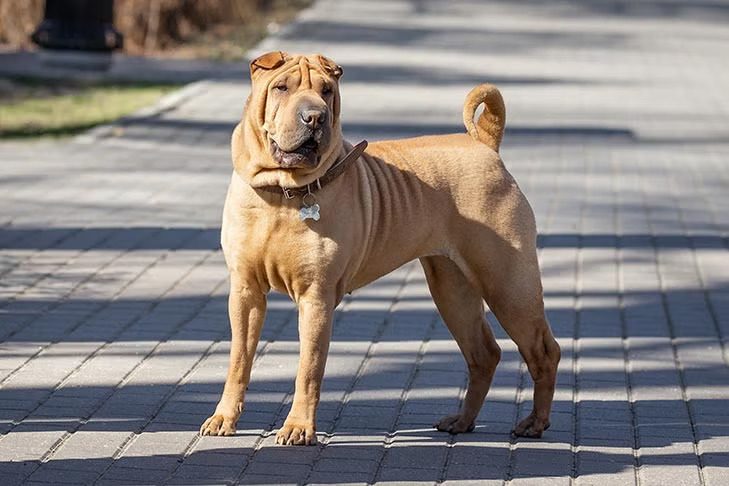
The Chinese Shar Pei, with its distinctive wrinkled skin and “sand skin” coat, originated in southern China over 2,000 years ago during the Han Dynasty (206 BCE–220 CE).
Bred by peasants in regions like Guangdong, these compact dogs served as versatile guardians, protecting homes, farms, and livestock from predators and intruders. Their loose, wrinkled skin was a practical trait, allowing them to wriggle free from attackers, while their bristly coat added extra defense.
Shar Peis also hunted vermin and occasionally served as fighting dogs, showcasing their strength and tenacity.
By the mid-20th century, the breed faced near extinction due to political upheaval in China, with numbers dwindling to near obscurity by the 1970s, earning them a Guinness World Record as the world’s rarest breed.
Dedicated breeders in Hong Kong and the United States launched a rescue effort, exporting Shar Peis and revitalizing the breed.
Their unique appearance—complete with a blue-black tongue shared with Chow Chows—and loyal, reserved nature made them global favorites.
Today, Chinese Shar Peis are cherished as calm, protective companions, retaining their ancient guardian instincts in modern homes.