
History of the Boxer The Boxer, a muscular and energetic breed known for its playful spirit and loyal nature, originated in Germany in the late 19th century. Descended from the now-extinct Bullenbeisser, a mastiff-type dog used for hunting large game like boar and bear, the Boxer was developed by crossing Bullenbeissers with smaller, agile breeds, …

History of the Boxer
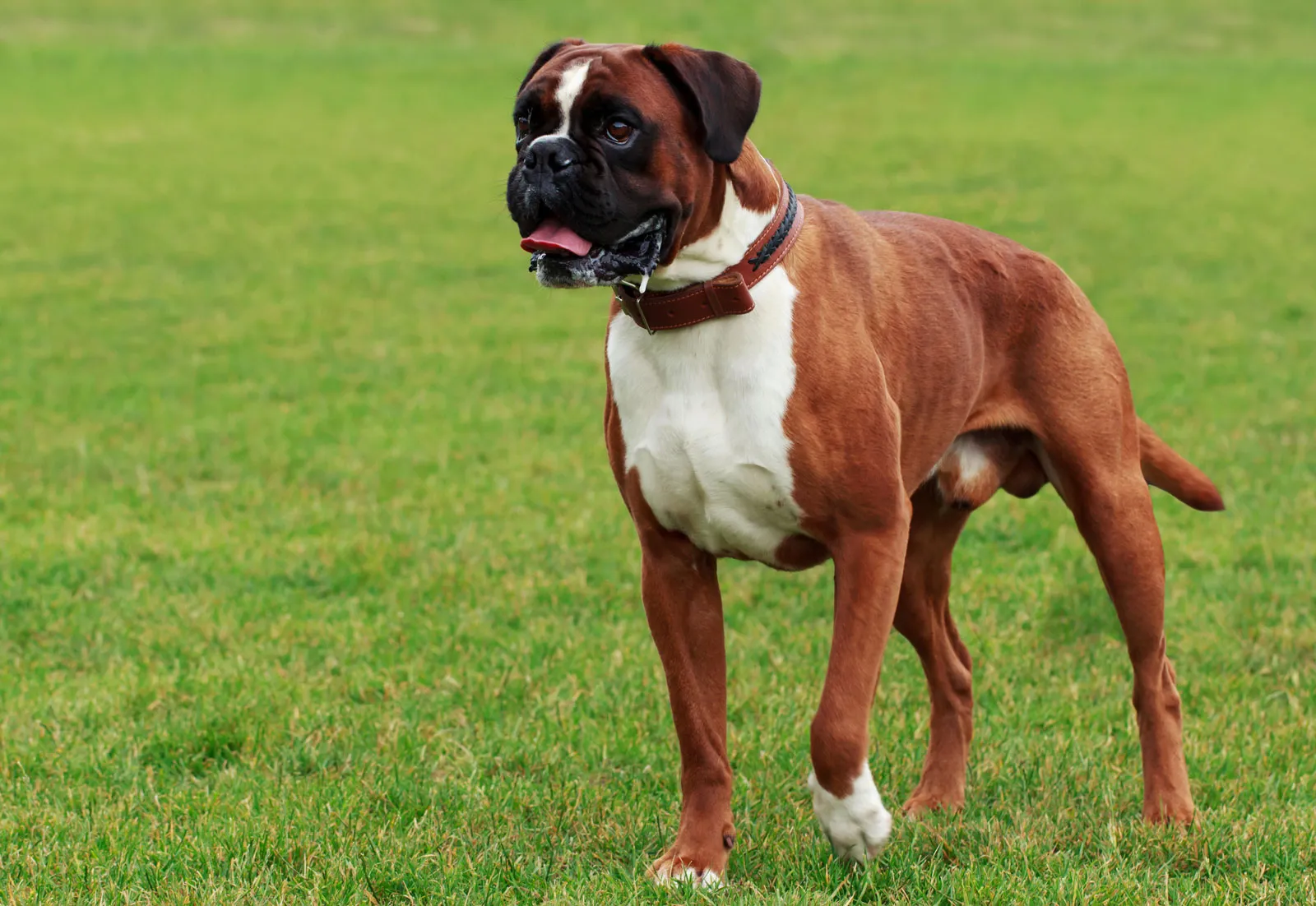
The Boxer, a muscular and energetic breed known for its playful spirit and loyal nature, originated in Germany in the late 19th century. Descended from the now-extinct Bullenbeisser, a mastiff-type dog used for hunting large game like boar and bear, the Boxer was developed by crossing Bullenbeissers with smaller, agile breeds, likely including early Bulldogs and terriers. This combination produced a dog with strength, speed, and versatility.
By the 1890s, German breeders refined the Boxer’s appearance and temperament, emphasizing its role as both a working dog and a family companion. The breed’s name likely derives from its playful tendency to “box” with its front paws. Boxers gained prominence as guard dogs, police dogs, and military dogs, serving in both World Wars as messengers and sentries due to their intelligence and bravery.
The Boxer was introduced to the United States after World War I, gaining widespread popularity in the 1930s and 1940s. The American Kennel Club recognized the breed in 1904. Today, Boxers are cherished for their boundless energy, protective instincts, and affectionate demeanor, making them ideal for active families and working roles alike.