
History of the Belgian Malinois The Belgian Malinois, a breed renowned for its intelligence, agility, and work ethic, originated in the late 19th century in Belgium. Named after the city of Malines (Mechelen), this breed is one of four varieties of Belgian Shepherd dogs, alongside the Tervuren, Laekenois, and Groenendael. Developed primarily as a herding …

History of the Belgian Malinois
The Belgian Malinois, a breed renowned for its intelligence, agility, and work ethic, originated in the late 19th century in Belgium. Named after the city of Malines (Mechelen), this breed is one of four varieties of Belgian Shepherd dogs, alongside the Tervuren, Laekenois, and Groenendael. Developed primarily as a herding dog, the Malinois was bred to be a versatile worker, capable of guarding flocks and properties with unmatched vigilance.
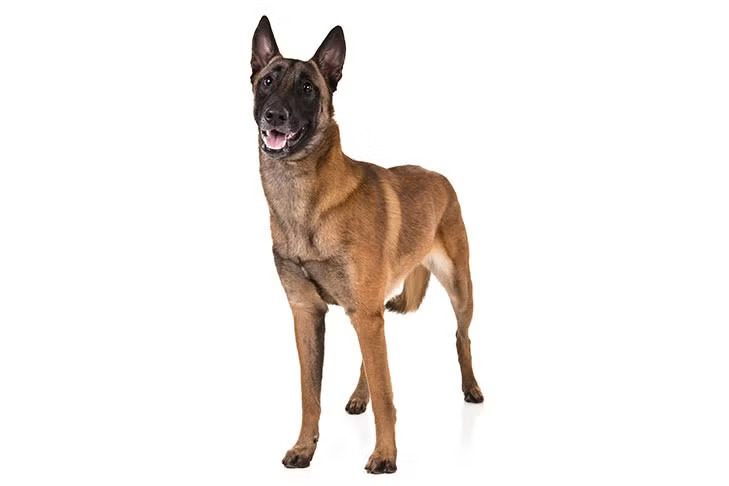
In the 1890s, Belgian breeders and veterinarians, including Professor Adolphe Reul, began standardizing the Belgian Shepherd varieties. The Malinois, distinguished by its short, fawn-colored coat with a black mask, quickly gained recognition for its athleticism and trainability. By the early 20th century, the breed’s exceptional drive and loyalty made it a favorite for police and military work, particularly in Belgium and France. During World War I and II, Malinois served as messengers, ambulance dogs, and sentries, showcasing their courage and reliability under pressure.
The Belgian Malinois was officially recognized by the American Kennel Club (AKC) in 1959, though it initially shared classification with other Belgian Shepherd varieties. Its distinct status grew as its reputation for versatility spread, particularly in modern roles like search and rescue, narcotics detection, and military service. Today, the Malinois is celebrated not only as a top-tier working dog but also as a loyal companion for active families, though its high energy and need for mental stimulation demand dedicated owners.