
418 Park Place, West Palm Beach, FL 33401
Mon – Fri: 9:00 am – 4:00 pm, Sat: 10am - 3pm

Australian Shepherd

History of the Australian Shepherd Despite its name, the Australian Shepherd was actually developed in the United States in the 19th century. The breed’s origins are linked to Basque shepherds who had migrated to Australia before moving on to the American West, bringing their herding dogs with them. American ranchers admired these agile and hardworking …

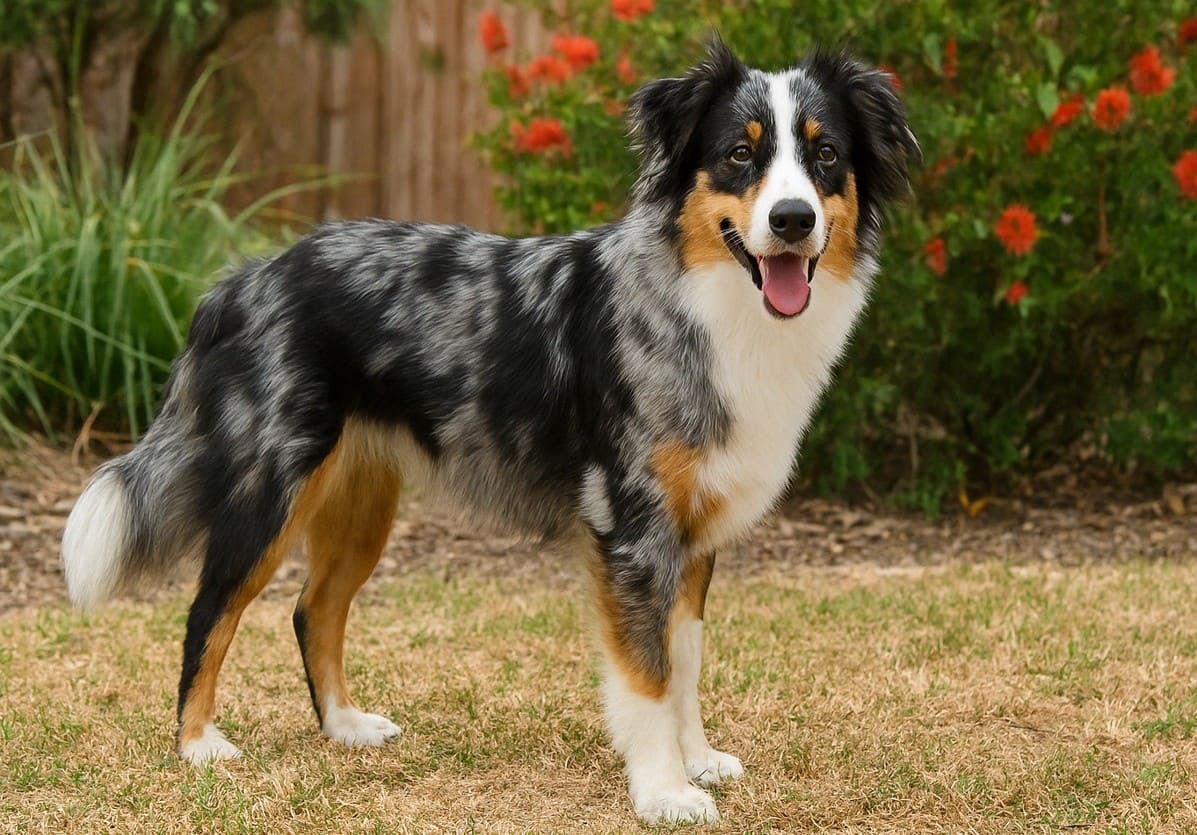
History of the Australian Shepherd

Despite its name, the Australian Shepherd was actually developed in the United States in the 19th century. The breed’s origins are linked to Basque shepherds who had migrated to Australia before moving on to the American West, bringing their herding dogs with them. American ranchers admired these agile and hardworking dogs, referring to them as “Australian Shepherds” due to their assumed Australian connection.

The breed was refined in the American West, particularly in California, where it became a staple on ranches and farms. Bred for intelligence, stamina, and versatility, Australian Shepherds quickly became indispensable herding dogs, capable of managing everything from sheep to cattle across challenging terrain. They thrived in the fast-paced world of livestock work, prized for their obedience, problem-solving skills, and unshakable work ethic.

The Australian Shepherd gained broader recognition in the mid-20th century, thanks in part to their appearances in rodeos and trick dog shows, where their flashy looks and quick learning made them crowd favorites. The American Kennel Club officially recognized the breed in 1993, solidifying its place in the world of registered dog breeds.

Today, the Australian Shepherd is celebrated not only as a working dog but also as a loyal family companion and star in dog sports like agility, obedience, and herding trials. With their boundless energy, sharp intelligence, and affectionate nature, Aussies continue to win hearts around the globe.

Raise a Healthier, Happier Australian Shepherd: Care, Wellness, and Biohacks

Australian Shepherds are brainy, high-energy herders with a flair for stealing hearts! These colorful pups are packed with personality, and here are some fun facts to make you love them even more. Get ready for some tail-wagging trivia!

Not Actually Australian

Despite their name, Aussies were bred in the American West, not Australia! Their ancestors came via Australia with Basque shepherds, giving them a misleading but catchy name.

Wigglebutt Wonders

Aussies are famous for their “wigglebutt” dance—when excited, they wag their whole rear end, especially those with naturally bobbed tails! It’s pure joy in motion, lighting up any room.

Hollywood Herders

These clever dogs have starred in films like Babe alongside Border Collies, showing off their herding skills. Their charisma makes them naturals for the big screen or your backyard.

Record-Breaking Smarts

Aussies are among the smartest breeds, with some learning tricks like skateboarding! A famous Aussie named Hyper Hank set disc dog records in the 1970s, proving their athletic flair.

Eye-Catching Eyes

Their stunning eyes can be blue, brown, amber, or heterochromatic (two colors), giving them a mystical vibe. This trait, tied to their merle coat, makes every Aussie a unique beauty!

These fun facts show why Australian Shepherds are such beloved companions, from their misnamed origins to their dazzling smarts. Got an Aussie? Share their quirky antics with us, or let these tidbits inspire your next play session!

Australian Shepherds are lively, intelligent herders, and a little preventative care keeps them leaping with joy! Here are some vet-approved treatments to help your Aussie stay healthy, agile, and ready for their next herding adventure.

Regular Coat Brushing

Their thick, medium-length coat sheds moderately, especially seasonally. Brush weekly with a slicker brush or undercoat rake (daily during shedding) to prevent matting and keep their fur ready for outdoor romps, free of debris or irritation.

Joint-Supporting Exercise

Aussies’ high-energy runs can stress joints, so maintain a consistent 60–90 minute daily exercise routine with low-impact activities like walking or swimming. Avoid overexertion in young pups to protect joints, keeping them agile for frisbee or agility.

Dental Care

Their active chewing needs strong teeth. Brush a few times a week with dog-safe toothpaste and offer dental chews or toys. Annual vet dental checkups keep their smile sparkling for fetching or grinning.

Flea and Tick Prevention

Their outdoor herding adventures can attract parasites. Use vet-approved flea and tick preventatives (topical, oral, or collars) year-round, tailored to your region. Check their coat after play to catch any pests early.

Routine Vet Checkups

Annual vet visits are key to keeping your Aussie in top shape. Vaccinations, heartworm prevention, and eye or bloodwork checks ensure they’re ready for herding or agility fun. Chat with your vet for a plan that matches their high-octane lifestyle.

With these preventative steps, your Australian Shepherd will be ready to bound through life with a wagging tail! Always consult your vet for personalized advice to keep your herding star healthy and happy for years of adventures.

Australian Shepherds are vibrant, high-energy herders, but like all breeds, they have some common ailments and genetic predispositions to watch for to keep them bounding with joy! Here’s a light look at what to know, so your Aussie can stay healthy and ready for adventure.

Joint Concerns

Aussies’ athletic leaps and herding antics can stress joints, making them prone to hip dysplasia, where the hip joint fits loosely, or elbow dysplasia, affecting mobility. A balanced diet and controlled exercise support their agile frame for zooming and frisbee fun.

Eye Conditions

Those striking blue or heterochromatic eyes may develop quirks like collie eye anomaly (CEA) or progressive retinal atrophy, which can impact vision. Regular vet eye checks ensure their gaze stays sharp for spotting sheep or toys.

Skin Sensitivities

Their thick coat can trap allergens, leading to skin irritations or hot spots, especially after outdoor romps. Regular brushing and post-play skin checks keep their fur fabulous and irritation-free, ready for the next adventure.

Thyroid Imbalances

Some Aussies may inherit a tendency toward hypothyroidism, where the thyroid slows, causing sluggishness or weight gain. Routine vet bloodwork catches this early, keeping their energy at full throttle for herding or play.

Seizure Disorders

Aussies may have a genetic predisposition to epilepsy, leading to occasional seizures. While manageable, regular vet checkups and a stable routine help keep your pup’s active lifestyle on track.

With proactive vet care, a healthy lifestyle, and lots of love, you can help your Australian Shepherd dodge these quirks and keep their herding spirit soaring! Always consult your vet for tailored advice to ensure your Aussie stays vibrant.

Australian Shepherds are energetic, brainy herders, and the right vitamins and supplements can keep them thriving on every adventure! Here are some vet-friendly ideas to support their coat, joints, and stamina, ensuring they stay ready for herding or play. Always check with your vet before starting any supplements.

Omega-3 Fatty Acids

Omega-3s, like fish oil or flaxseed oil, promote a glossy coat and healthy skin, perfect for Aussies’ thick fur. They also support joint flexibility for their leaping antics. Choose dog-specific supplements with EPA and DHA, dosed at about 20–50 mg/kg daily.

Glucosamine and Chondroitin

Their high-energy runs and jumps can stress joints, especially hips or elbows. Glucosamine-chondroitin combos support joint health and mobility, keeping them agile for herding or agility. Look for dog-formulated chews or powders with 500–1000 mg glucosamine per 25 pounds of body weight.

Probiotics

A healthy gut fuels their boundless energy. Probiotics support digestion, especially for sensitive tummies after treat-heavy training. Choose dog-safe probiotics with strains like Lactobacillus or Bifidobacterium, in chews or powders, dosed per product guidelines, aligning with their active lifestyle.

Multivitamins

A balanced multivitamin fills nutritional gaps, boosting vitality for their high-octane herding sprees. Select a vet-approved dog multivitamin with vitamins A, D, E, and B-complex, tailored to medium breeds, and follow dosing instructions (usually one chew daily).

Antioxidant Blends

Antioxidants like vitamin C, vitamin E, or CoQ10 support their immune system, keeping them ready for outdoor play or agility. Dog-specific antioxidant chews or powders, dosed by weight, add a wellness boost to their diet, perfect for biohacking enthusiasts.

These supplements can give your Australian Shepherd an extra spring in their step, but always consult your vet to ensure they’re right for your pup’s needs. With the right support, your Aussie will be ready to herd, leap, and charm their way through life!

A Complete Wellness Guide for Mind, Body & Spirit

Australian Shepherds are brilliant, high-energy working dogs who thrive on both mental and physical challenges. To keep them balanced, healthy, and happy, pet parents can turn to holistic wellness practices and biohacking strategies—natural, preventative, and lifestyle-based approaches that optimize well-being from nose to tail.

This guide combines expert-backed techniques to help you support your Aussie’s whole health journey. (Always consult your veterinarian before making changes to your dog’s care routine.)

Mental Stimulation & Cognitive Biohacks

Aussies are highly intelligent and require constant mental engagement to prevent boredom and anxiety.

Recommended Activities:

  • Puzzle Toys & Scent Games: Use treat-dispensing balls or hide-and-seek games for 15–20 minutes daily.
  • Task Rotation: Weekly new challenges mimic the problem-solving of herding.
  • Training Sessions: Keep them learning with obedience, agility, and trick training.

Pro Tip: Use a canine activity tracker like Whistle or FitBark to monitor daily activity and engagement levels.

Whole-Food Nutrition & Digestive Support

High-quality nutrition fuels your Aussie’s energy and supports long-term health.

Key Diet Elements:

  • Proteins: Turkey, lamb, duck, or fish—great for muscle maintenance.
  • Complex Carbs: Sweet potatoes, oats, pumpkin for slow-burning energy.
  • Healthy Fats: Chia seeds, flaxseed, or sardines for omega-3s.
  • Hydration Boost: Add a splash of bone broth to meals.
  • Probiotic Foods: Plain, unsweetened yogurt or kefir (if dairy-tolerant) for gut health.

Note: For dogs with allergies, consider limited-ingredient or novel-protein diets (with veterinary guidance). Raw or home-cooked diets should always be vet-approved.

Herbal Supplements & Aromatherapy

Natural supplements and scents can help support recovery, detox, and relaxation.

Vet-Supervised Options:

  • Turmeric: Anti-inflammatory, great for joint health.
  • Milk Thistle: Supports liver detox.
  • Chamomile & Lavender: Use in pet-safe diffusers for calming effects (1–2 drops only in a ventilated room).

Avoid applying essential oils directly to your dog unless prescribed.

Exercise & Nature-Based Enrichment

Australian Shepherds need at least 60–90 minutes of vigorous exercise per day, plus time outdoors to explore.

Enrichment Ideas:

  • Agility, Fetch & Herding Games: Ideal for physical stimulation and tapping into instincts.
  • Trail Games & Nature Walks: Vary your routes to engage their keen sense of smell and curiosity.
  • Herding Toys: Use flirt poles, herding balls, or remote-controlled toys to simulate chase behavior.

Recovery Tip: After exercise, use canine massage or hydrotherapy to relax muscles and support recovery.

Stress Management & Allergy Reduction

Aussies can be prone to restlessness and environmental allergies. Here’s how to soothe both.

Tips for Calm & Clean Living:

  • Massage Therapy: 5–10 minutes post-play can calm nerves and strengthen your bond.
  • Paw Rinsing: After walks, rinse paws to reduce pollen and dust buildup.
  • Air Purification: Use a HEPA filter to keep your home allergen-free.
  • Routine is Key: Regular feeding, sleep, and activity times help reduce anxiety.

Proactive Health Tools & Grooming

Modern tools and preventative care can help you manage your Aussie’s long-term health needs.

Recommendations:

  • Genetic Testing: Use Embark or Wisdom Panel to check for MDR1 mutation and other hereditary risks.
  • Acupuncture & Hydrotherapy: These vet-approved therapies support joint and mobility issues, especially in older dogs.
  • Natural Grooming: Use hypoallergenic shampoos (like oatmeal or aloe) and avoid over-bathing to preserve natural oils.

Final Thoughts: Optimize Their Inner Athlete

By combining holistic wellness and biohacking strategies, you can create a lifestyle that honors your Australian Shepherd’s natural intelligence, energy, and heart. These dogs aren’t just companions—they’re athletes, thinkers, and partners. When you feed their whole being, they’ll reward you with years of vitality, loyalty, and joy.

Got a favorite biohack for your Aussie? Share it in the comments!

Breed Details

  • Breed Name History of the Australian Shepherd
  • Scientific Name Canis lupus familiaris
  • Breed Group (e.g., Herding, Hound, Toy) Herding
  • Origin Country United States
  • Height (Male / Female) 20–23 inches / 18–21 inches
  • Weight (Male / Female) 50–65 lbs / 40–55 lbs
  • Lifespan 12–15 years
  • Coat Type (e.g., short, long, curly) Medium-length double coat, straight to wavy; weather-resistant
  • Colors Available Blue merle, red merle, black, red, with or without white and tan markings
  • Temperament Traits (e.g., Friendly, Loyal, Aggressive) Intelligent, versatile, energetic, protective, affectionate
  • Good with Children (Yes/No) Yes (great playmates; their herding instinct might lead to nipping at heels, so teach boundaries early)
  • Good with Pets (Yes/No) Yes (generally compatible; socialize to curb chasing behaviors from herding background)
  • Trainability Score Extremely high (one of the smartest breeds; masters tricks, herding trials, and advanced obedience quickly)
  • Common Health Issues Hip and elbow dysplasia, epilepsy, eye issues like cataracts and collie eye anomaly, MDR1 gene sensitivity to certain drugs
  • Grooming Needs Moderate (brush 2–3 times weekly to prevent mats; more during shedding seasons)
  • Exercise Needs Very high (at least 60–90 minutes daily; include herding games, frisbee, or hikes to satisfy mental and physical needs)
  • Holistic/Bio Hacking Diet Offer 1.5–2.5 cups of a raw or gently cooked diet daily, split into two meals. Use 60% lean meats (chicken, lamb, venison), 20% organ meats (kidney, liver), 15% vegetables (kale, carrots, zucchini), and 5% bone or calcium source. Supplement with 1000 mg omega-3 fish oil daily to support eye and joint health, addressing epilepsy and MDR1 sensitivity. Add 1 tbsp bone broth weekly for joint support. If kibble is needed, mix 1/2 cup grain-free, high-protein kibble with raw (20% of diet). Tailor portions to high activity levels, ensuring mental stimulation through diet variety.