
418 Park Place, West Palm Beach, FL 33401
Mon – Fri: 9:00 am – 4:00 pm, Sat: 10am - 3pm

Australian Cattle Dog

History of the Australian Cattle Dog The Australian Cattle Dog, or Blue Heeler, was developed in Australia in the 19th century to herd cattle across rugged outback terrain. Breeders crossed Collies with Dingoes and other breeds, creating a tough, intelligent herder with unmatched stamina. Their blue or red speckled coat became a hallmark. Recognized by …

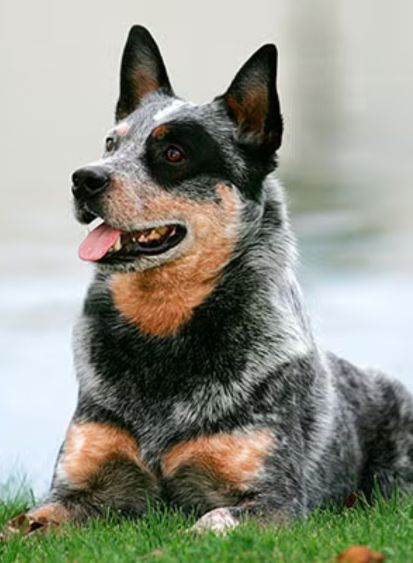
History of the Australian Cattle Dog

The Australian Cattle Dog, or Blue Heeler, was developed in Australia in the 19th century to herd cattle across rugged outback terrain. Breeders crossed Collies with Dingoes and other breeds, creating a tough, intelligent herder with unmatched stamina. Their blue or red speckled coat became a hallmark.

Recognized by the AKC in 1980, Cattle Dogs gained popularity in the U.S. for their work ethic and loyalty, ranking in the top 60 breeds in 2023. Today, they’re cherished as hardworking, loyal companions, excelling in herding, dog sports, and as family pets with their rugged, speckled charm.

Raise a Healthier, Happier Australian Cattle Dog: Care, Wellness, and Biohacks

Australian Cattle Dogs are hardworking, loyal herders with a knack for stealing hearts! These rugged champs are packed with personality, and here are some fun facts to make you adore them even more. Get ready for some tail-wagging trivia!

Outback Legends

Bred to herd cattle in Australia’s harsh outback, they’re nicknamed “Blue Heelers” for their nipping style!

Dingo Descendants

Crossed with Dingoes, their wild ancestry gives them unmatched stamina and smarts!

Workaholic Wonders

Their tireless work ethic makes them farm superstars, herding with laser-like focus!

Longevity Leaders

They hold records for longevity, with one named Bluey living to 29 years!

Long-Lived Lovelies

Cattle Dogs can live 12–16 years, spreading joy with their hardworking spirit. Their rugged coat keeps them herding for years!

These fun facts show why Australian Cattle Dogs are such beloved companions, from their outback roots to their loyal charm. Got a Cattle Dog? Share their rugged antics with us, or let these tidbits spark your next play session!

Australian Cattle Dogs are hardworking, loyal herders, and a few preventative treatments keep them herding with joy! Here’s a breezy guide to vet-approved care to ensure your Cattle Dog stays healthy and ready for work or cuddles.

Regular Coat Grooming

Their short coat sheds moderately. Brush weekly with a soft brush to keep their fur sleek and skin healthy, with extra brushing during shedding seasons.

Joint-Supporting Exercise

Their rugged frame loves 60–90 minutes of daily exercise, like runs or herding games, but avoid overexertion to protect hips and elbows. Maintain a healthy weight (35–50 lbs).

Dental Hygiene

Their jaws need care to prevent plaque buildup. Brush their teeth 2–3 times a week with dog-safe toothpaste and offer dental chews. Annual vet dental checkups keep their grin sparkling.

Parasite Protection

Their outdoor herding can attract fleas or ticks. Use vet-approved preventatives (topical or oral) year-round, suited to your area. Check their coat after romps to catch pests early.

Regular Vet Visits

Yearly vet checkups monitor for hip dysplasia, deafness, or eye conditions. Vaccinations, heartworm prevention, and hearing screenings ensure they’re ready for work or snuggles. Your vet can tailor a plan for their hardworking lifestyle.

These simple steps will keep your Australian Cattle Dog herding with joy! Always consult your vet for personalized advice to ensure your rugged pal stays healthy and happy for years of fun.

Australian Cattle Dogs are hardworking, loyal herders with a big heart, but their rugged build comes with some health quirks to watch for to keep their tails wagging! Here’s a breezy guide to their common ailments, so your Cattle Dog stays healthy for herding or cuddles.

Hip Dysplasia

Their rugged frame can stress hips, leading to discomfort. A balanced diet and controlled exercise support their joints.

Deafness

Some Cattle Dogs, especially those with white markings, may have hearing issues. Routine vet screenings ensure their alertness.

Progressive Retinal Atrophy

This eye condition can impair vision. Routine vet eye checks keep their gaze sharp.

Elbow Dysplasia

Their active frame can stress elbows, causing mobility issues. Maintaining a healthy weight supports their frame.

Osteoarthritis

Their hardworking nature can lead to joint wear. Early screenings and exercise moderation help maintain mobility.

With proactive vet care, a healthy lifestyle, and lots of love, you can help your Australian Cattle Dog dodge these quirks and keep their hardworking spirit thriving! Always consult your vet for tailored advice to ensure your rugged pal stays vibrant.

Australian Cattle Dogs are hardworking, loyal herders, and the right vitamins and supplements can keep them thriving on every herd or cuddle! Here’s a vet-friendly guide to support their coat, joints, and energy, ensuring they stay ready for action, aligned with holistic wellness principles. Always check with your vet before starting supplements, as Cattle Dogs (35–50 lbs) need tailored dosing for their size.

Omega-3 Fatty Acids

Omega-3s from fish oil promote a glossy coat and healthy skin, perfect for their dense fur, and support joint comfort. Choose dog-specific supplements with EPA and DHA – 500–1000 mg EPA/DHA daily, added to food for shine and mobility.

Glucosamine and Chondroitin

Their rugged frame can stress joints, risking hip or elbow dysplasia. Glucosamine-chondroitin combos support cartilage health and mobility. Choose dog-specific chews or powders – 500–1000 mg glucosamine + 400–800 mg chondroitin daily, split into meals.

Probiotics

A healthy gut fuels their hardworking energy. Probiotics with strains like Lactobacillus or Bifidobacterium support digestion, especially for active Cattle Dogs. Choose dog-specific chews or powders – 1–5 billion CFUs daily for gut balance.

Multivitamin Complex

A balanced multivitamin fills dietary gaps, boosting vitality with vitamins A, D, E, and B-complex for coat, bone, and energy support. Choose a dog-specific multivitamin for medium breeds – 1 chew daily for overall wellness.

Antioxidant Blends

Antioxidants like vitamin C, vitamin E, or CoQ10 support their immune system, aiding eye health and recovery from work. Dog-specific antioxidant chews or powders, dosed by weight, add a wellness boost, perfect for biohacking Cattle Dog health.

These supplements can add an extra wag to your Cattle Dog’s tail, but always consult your vet to ensure they’re right for your pup. With the right support, your Australian Cattle Dog will be ready to herd, play, and charm their way through life!

Australian Cattle Dogs are hardworking, loyal herders who love herding and cuddles, and holistic health practices can keep them thriving with happiness! These biohack-inspired tips, aligned with non-medical wellness approaches, blend fun and care to support your Cattle Dog’s mind, body, and spirit, perfect for their rugged soul. Always check with your vet before trying new approaches.

Mental Stimulation Challenges

Cattle Dogs’ sharp minds crave action! Use puzzle toys or herding games (e.g., guiding toys in the yard) for 15–20 minute daily sessions to mimic their instincts. Rotate games weekly to boost focus and curb mischief.

Whole-Food Diet Boosts

Fuel their energy with a high-quality, whole-food diet of lean proteins (beef, chicken) and veggies (carrots, green beans). Add a teaspoon of ground chia seeds for omega-3s or a splash of bone broth for hydration, making meals a biohacking delight to support their coat and stamina.

Calming Herbal Scents

Their intense energy loves soothing moments. Use pet-safe lavender or chamomile in a diffuser (1–2 drops in a ventilated room) for 10 minutes post-work to promote relaxation, ideal for unwinding after herding.

Gentle Massage Bonding

A 5–10 minute gentle massage after activity boosts circulation and deepens your bond. Use light strokes along their back to relax muscles and support joint health, keeping them balanced for their next herd.

Outdoor Enrichment Play

Tap into their herding roots with 60–90 minute play sessions, like agility courses or fetch, to stimulate their senses. Vary activities weekly for physical fitness and mental joy in a natural, biohacking-inspired setting.

These holistic tips harness your Cattle Dog’s hardworking spirit, keeping them balanced and joyful. Pair with regular vet care to ensure your rugged pal stays healthy for years of herding adventures. Got a favorite biohack for your Cattle Dog? Share the love!

Breed Details

  • Breed Name Australian Cattle Dog
  • Scientific Name Canis lupus familiaris
  • Breed Group (e.g., Herding, Hound, Toy) Herding
  • Origin Country Australia
  • Height (Male / Female) 18–20 inches / 17–19 inches
  • Weight (Male / Female) 35–50 lbs / 35–50 lbs
  • Lifespan 12–16 years
  • Coat Type (e.g., short, long, curly) Short, dense double coat; moderate shedding
  • Colors Available Blue, red, with speckled or mottled patterns
  • Temperament Traits (e.g., Friendly, Loyal, Aggressive) Intelligent, hardworking, loyal, alert, protective, energetic
  • Good with Children (Yes/No) Yes (devoted but may herd kids; best with older kids, supervise closely)
  • Good with Pets (Yes/No) Yes (with socialization; herding instincts may lead to chasing, monitor small animals)
  • Trainability Score Very high (smart and driven; excels in herding, agility, and obedience)
  • Common Health Issues Hip dysplasia, progressive retinal atrophy, deafness, elbow dysplasia
  • Grooming Needs Low (brush weekly, more during shedding; bathe as needed, trim nails)
  • Exercise Needs Very high (90–120 minutes daily; herding, running, or mental challenges)
  • Holistic/Bio Hacking Diet Feed 1.5–2.5 cups of raw or gently cooked diet daily, split into two meals. Base diet on 60% lean meats (beef, chicken, lamb), 20% organ meats (liver, heart), 15% vegetables (kale, zucchini, carrots), and 5% bone or calcium source. Add 1000 mg omega-3 fish oil daily for joint and eye health, targeting hip dysplasia and progressive retinal atrophy. Include 1 tbsp bone broth weekly for joint support. If kibble is needed, mix 1/2 cup grain-free, high-protein kibble with raw (20% of diet). Adjust for high activity levels.