Modern pet wellness is moving from “good care” to data-driven optimization. With the right toolkit, wearables, validated lab tests, targeted nutraceuticals, and brain-boosting routines, you can spot small health shifts early and tune your dog’s sleep, activity, digestion, and mood for the better. Below is a practical, science-informed roadmap to build your dog’s wellness stack. …

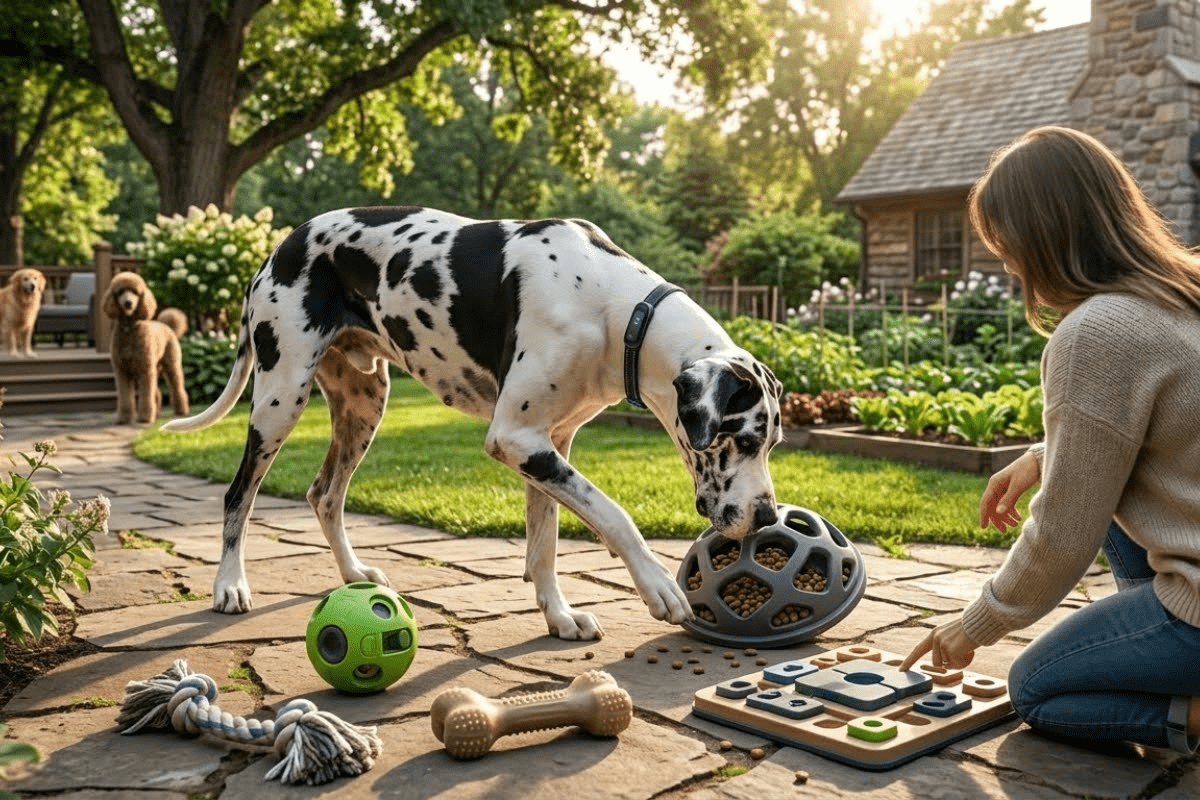
Modern pet wellness is moving from “good care” to data-driven optimization. With the right toolkit, wearables, validated lab tests, targeted nutraceuticals, and brain-boosting routines, you can spot small health shifts early and tune your dog’s sleep, activity, digestion, and mood for the better. Below is a practical, science-informed roadmap to build your dog’s wellness stack.
1) Start with Objective Data: Wearables & Behavior Sensors
Today’s canine wearables track movement, rest, and even posture, giving you trendlines instead of guesswork. Peer-reviewed studies show collar-mounted accelerometers can accurately classify dog activities (walk, trot, sleep, eat/drink, even headshake) on a second-by-second basis, supporting real-world use to monitor recovery, mobility, and daily energy. (PLOS)
Sleep and recovery also matter: research using a smart sensing collar demonstrated sleep/wake detection and highlighted where device data aligns, and sometimes diverges, from direct observation, reminding us to read wearables as helpful signals in context, not infallible verdicts. (PMC)
Machine-learning systems using inertial sensors are also advancing posture and behavior recognition (e.g., sit, stand, down), opening the door to richer insights on discomfort and mobility. (PLOS)
How to use it
- Track baseline (2–3 weeks) before changing diet/exercise.
- Watch for downtrends in activity or spikes in nighttime restlessness; both can flag pain, anxiety, or brewing illness. (PMC)
2) Map the Gut, Then Personalize Diet
The canine gut microbiome influences digestion, immune tone, skin, and behavior. Texas A&M’s Gastrointestinal Lab offers a validated Dysbiosis Index (DI), a qPCR assay quantifying key taxa shifts, used in multiple clinical studies to assess microbiome balance. It’s currently the only analytically validated fecal microbiome assay for dogs. (VMBS Texas A&M, tvmdl.tamu.edu)
Large cohort work continues to clarify what “healthy” looks like at the species level and how diet shapes microbial communities (e.g., raw vs. commercial). These references help interpret results and set realistic expectations when you adjust food, fiber, and probiotics. (Frontiers)
How to use it
- Run a DI test to identify dysbiosis; retest 6–12 weeks after diet/probiotic changes to confirm improvement. (VMBS Texas A&M)
3) Genetic & Health Risk Screening (Use Dog-Specific Kits)
Dog DNA platforms (e.g., Embark, Wisdom Panel) screen for breed mix and health variants that can inform diet, exercise, and monitoring strategies. Vendor methods and accuracy vary; review validation materials and use results to guide conversations with your veterinarian, not to self-diagnose. (PMC, Embarkvet)
4) Build a Smarter Supplement Stack (Evidence-Informed)
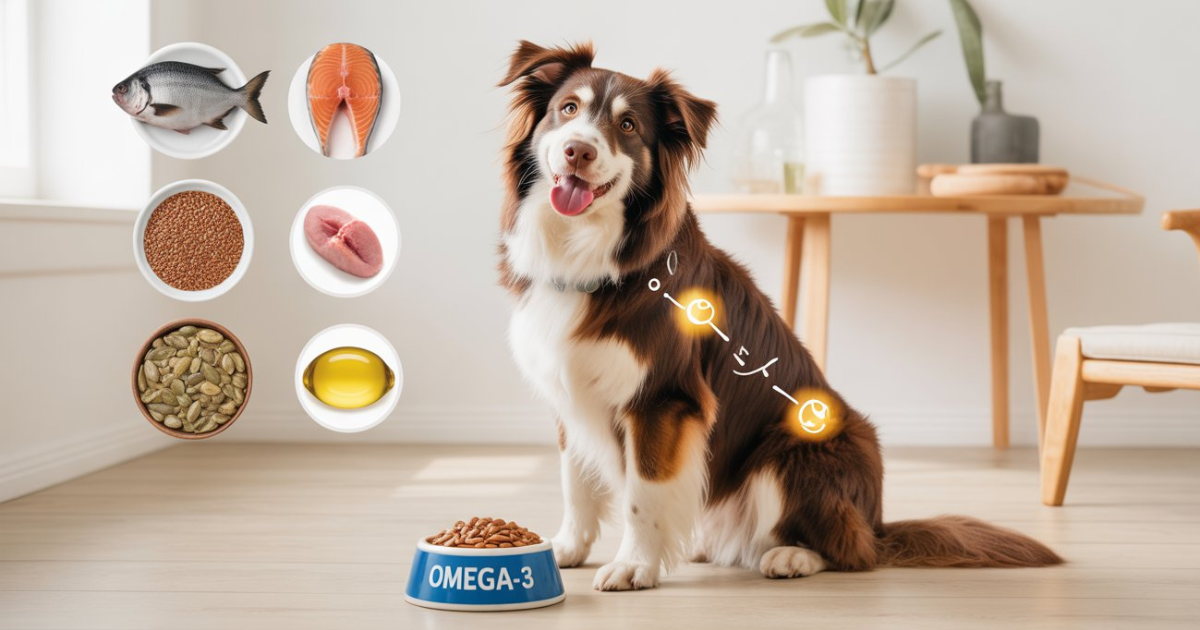
- Omega-3 (EPA/DHA): Randomized studies show omega-3s reduce clinical signs of canine osteoarthritis and can lower required NSAID doses, useful for joints, skin, and overall inflammation. (ScienceDirect, PMC)
- Glucosamine/Chondroitin: RCTs report improved pain and weight-bearing vs. placebo, though onset is slower than NSAIDs and results vary; recent reviews compare multiple joint actives. (PubMed, PMC)
Rule of thumb: introduce one product at a time, track a 4–8 week response in mobility/sleep/activity, and coordinate with your vet, especially if your dog uses prescription meds. (PMC)
5) Train the Brain: Enrichment That Changes Outcomes
Environmental and cognitive enrichment aren’t just “nice to have.” Decades of work show enrichment improves welfare, reduces stress behaviors, and can support cognition, especially in seniors. Reviews and experimental studies document benefits across social, sensory, occupational, and food-based activities. (SLU Kursvärdering, Purdue Extension, AVMA Journals)
On cognition, classic and recent research links antioxidant-enriched diets and structured enrichment to better cognitive performance in aging dogs; newer work explores combined physical+cognitive programs and emerging biomarkers for early CCD detection. (ScienceDirect, SpringerLink, Frontiers)
How to use it
- Rotate puzzle feeders, nose-work, short trick sessions, and social play; pair with walks or swims for a dual physical-mental stimulus. (Purdue Extension)
6) Close the Loop: Review, Adjust, Repeat
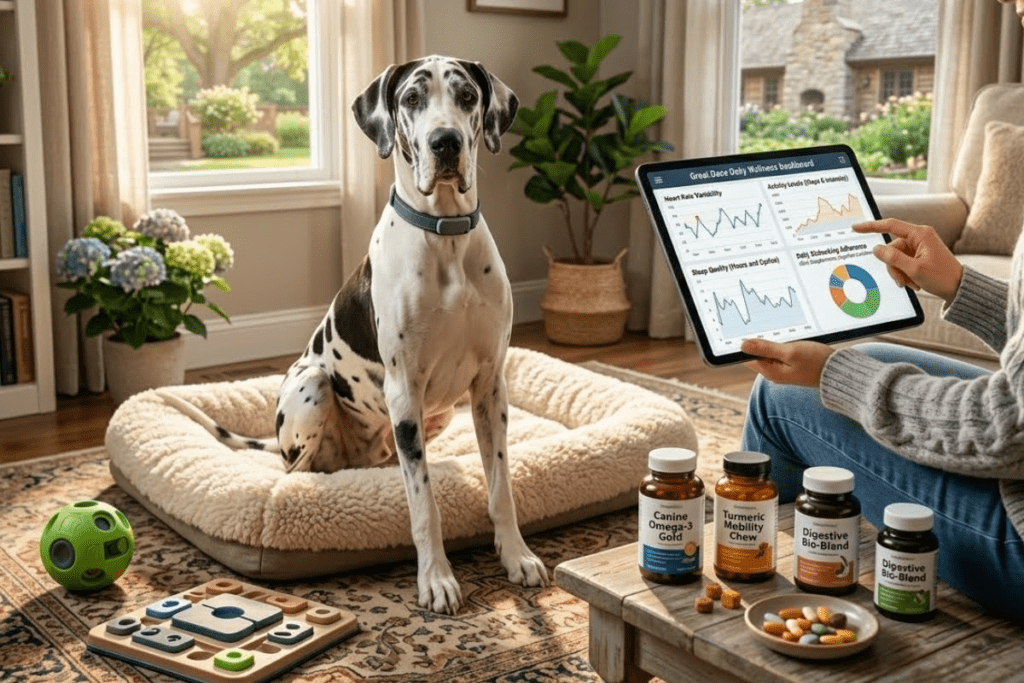
A continuous improvement cycle, baseline → change one variable → track → retest, prevents confusion and reveals what truly helps your dog. Combine:
- Wearables for sleep/activity trends (PLOS, PMC)
- Microbiome DI (if gut signs or skin issues persist), (VMBS Texas A&M)
- Targeted supplements backed by trials (ScienceDirect, PubMed)
- Enrichment to protect mood and cognition. (SLU Kursvärdering, ScienceDirect)
Sample Weekly Workflow (Adapt as Needed)
- Mon/Wed/Fri: Brisk walk or swim + 10-minute nose-work or puzzle. (Purdue Extension)
- Daily: Track activity/sleep; log stool quality and skin notes. (PMC)
- Weeks 0–3: Baseline + omega-3 start (joint/skin goals). (ScienceDirect)
- Week 4: Review wearable trends; adjust walk duration or add a second enrichment block. (PLOS)
- Week 6–8: If GI/skin issues persist, run Dysbiosis Index; trial probiotic/prebiotic per results. (VMBS Texas A&M)
Biohacking Tools for Dogs Frequently Asked Questions
What are the “must-have” tools to begin?
A reliable activity/sleep tracker, plus a veterinary-guided supplement (e.g., EPA/DHA), are high-impact starters; layer in microbiome testing if GI/skin signs exist. (PLOS, ScienceDirect)
How often should I monitor?
Check daily trends; review weekly. Retest microbiome or adjust supplements every 6–12 weeks, based on goals and vet input. (VMBS Texas A&M)
Are wearables accurate enough to trust?
They’re validated for key activities and useful for trend tracking, best interpreted alongside behavior and clinical context. (PLOS, PMC)
Do enrichment games really help health?
Yes, evidence links enrichment to reduced stress and better cognitive outcomes, especially in older dogs. (SLU Kursvärdering,ScienceDirect)
Which joint supplements have the most evidence?
EPA/DHA for OA signs; glucosamine/chondroitin show benefits in RCTs but vary by dog, monitor function and comfort over 8–10 weeks. (ScienceDirect,PubMed)