As your beloved dog enters their golden years, their health needs change, especially when it comes to diet. Choosing the best food for senior dogs isn’t just about preference; it’s about giving them the right nutrition to support aging joints, slower metabolism, and possible health conditions. Older dogs may also face dental issues, digestive sensitivities, …


As your beloved dog enters their golden years, their health needs change, especially when it comes to diet. Choosing the best food for senior dogs isn’t just about preference; it’s about giving them the right nutrition to support aging joints, slower metabolism, and possible health conditions. Older dogs may also face dental issues, digestive sensitivities, or decreased energy levels. That’s why it’s so important to tailor their meals to match their stage of life. Let’s explore how you can meet your senior dog’s nutritional needs with confidence, accuracy, and care.
Understanding the Changing Nutritional Needs of Older Dogs
You’ve likely seen dog foods labeled specifically for seniors. That’s because aging dogs go through biological changes that directly affect their nutritional requirements. The best nutrition for senior dogs accounts for these changes. As activity levels drop, dogs can gain weight more easily. Aging also affects digestion, making it harder for them to absorb nutrients. Some dogs require more protein, while others need special formulas for kidney or digestive issues. Knowing what to feed—and what to avoid—can add quality and even years to your dog’s life.
Addressing Slower Metabolism and Lower Energy
As dogs grow older, their metabolism naturally slows. They no longer burn calories at the same pace they did in their prime, so feeding them the same amounts can lead to unwanted weight gain. The best first step is to schedule a full geriatric exam with your veterinarian. During this check‑up, the vet will likely run blood tests, a urinalysis, heart and organ screens, and any breed‑specific diagnostics. Once major health concerns are either ruled out or confirmed, your vet can suggest a diet that meets your senior dog’s resting energy requirement (RER) and overall health goals.
Key Nutrients to Look for in Senior Dog Food
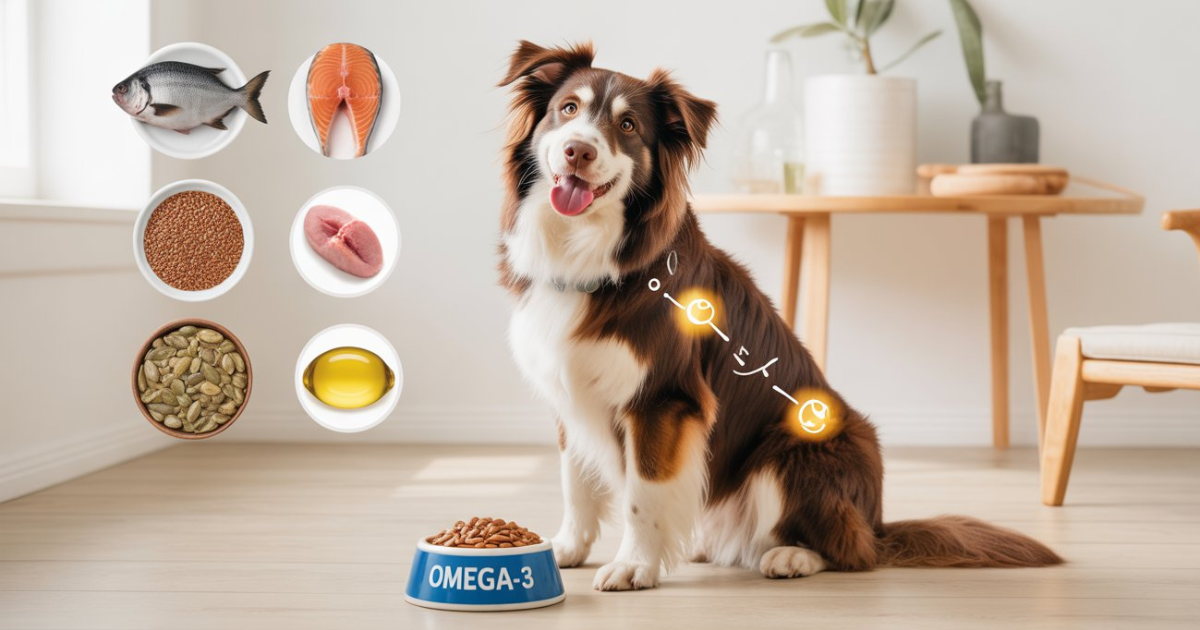
When you read a senior‑formula label, aim for at least 25 percent high‑quality protein—unless your vet has flagged kidney issues. Omega‑3 fatty acids such as EPA and DHA (often from fish oil) support aging joints and brain function. Moderate fiber keeps digestion regular, while glucosamine and chondroitin offer additional joint protection. Finally, look for lower fat and controlled calorie counts to help prevent obesity. If the chosen food falls short in any of these areas, your veterinarian may recommend targeted supplements.
Choosing Quality Food for Senior Dogs With Obesity
Extra pounds are common in older dogs, but cutting calories should never mean cutting vital nutrients. Select a weight‑management formula that still lists lean animal protein first and contains plenty of Omega‑3s and fiber. Measure treats carefully, skip table scraps, and talk to your vet about suitable, low‑impact exercise—daily strolls or gentle play sessions count. Using an activity tracker lets you match food intake to energy output, and a diet‑plus‑exercise review every three to six months keeps progress on track.
Feeding Dogs With Kidney Problems
Senior dogs diagnosed with kidney disease need more than a simple protein reduction. Look for a veterinary‑recommended diet that is low in phosphorus and sodium and moderate—not high—in protein. Fish oil or other omega‑3 sources help reduce kidney inflammation, while restricted phosphorus eases the organ’s workload. Avoid generic grocery‑store kibble unless your vet specifically approves it; most dogs with kidney issues thrive better on prescription formulas designed for renal health.
Managing Digestive Issues in Aging Dogs
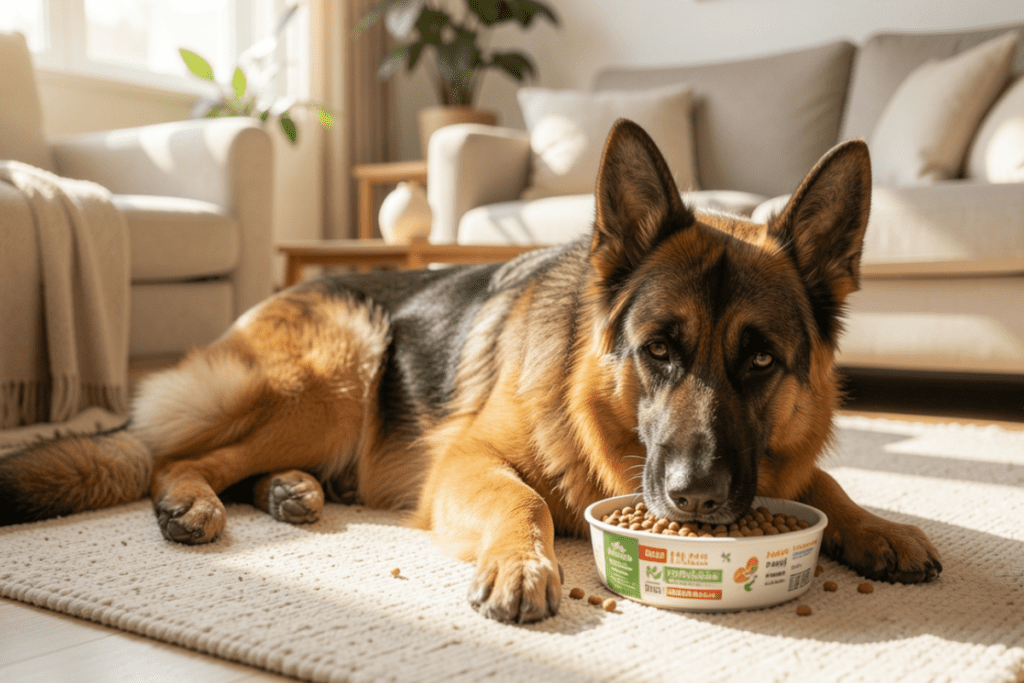
Constipation, gas, or loose stools often appear as dogs age. A senior formula with increased fiber and gentle carbohydrates, such as sweet potatoes or brown rice, usually smooths digestion. Prebiotics and probiotics listed on the label further support gut health by balancing beneficial bacteria. If problems persist, your veterinarian may suggest a separate daily probiotic to keep your dog’s digestive tract functioning comfortably.
Senior Dogs and Diabetes: What to Feed
When diabetes enters the picture, diet takes center stage. Choose the best food for senior dogs that is high in fiber and low on the glycemic index to keep blood sugar steady. Avoid simple sugars—both in kibble ingredients and human food handouts. Feed measured portions twice a day to align with insulin schedules, and skip treats unless your vet approves specific diabetic‑friendly options. Many older diabetic dogs do best on prescription formulas designed to control glucose while still meeting senior‑life nutritional needs.
Vet Visits and Adjusting Over Time
As dogs age, their health can shift quickly. Regular checkups (at least twice a year) are essential. During these visits, ask your vet if your current dog food still suits their needs. The healthy food for senior dogs will change depending on weight, energy, medical conditions, and more. Keep an open mind and be ready to adjust based on your vet’s advice.
Finding the High Quality for Senior Dogs Is a Lifelong Commitment
Feeding your aging dog is more than pouring kibble in a bowl. It requires attention to detail, love, and regular evaluation. The healthy food for senior dogs supports weight, joint health, digestion, and any existing medical issues. It’s not one-size-fits-all. With your vet’s help and a little research, you’ll give your dog the comfort and health they deserve.
Conclusion
Providing proper nutrition in your dog’s senior years is a crucial part of caring for them. Their changing health and energy levels mean that what worked in their younger years may no longer be suitable. Always consult your vet before making major changes to their diet, especially if your dog suffers from chronic conditions. The best food for senior dogs is the one that meets their current needs—nutritionally balanced, digestible, and supportive of their specific health concerns. With the right diet, you’ll ensure your dog stays active, happy, and healthy in their golden years.
Support your aging dog with the best food for senior dogs. Consult your pet today and make their golden years the healthiest yet!
Best Food for Senior Dogs Frequently Asked Questions
1. What age is considered “senior” for a dog?
Most dogs are considered senior by age 7, but this varies by breed and size.
2. Can senior dogs eat puppy or adult food?
It’s best to avoid it. Senior dogs have different needs, and adult or puppy food may be too rich in calories or lack proper nutrients.
3. How often should I feed my senior dog?
Twice a day is recommended for most senior dogs to keep blood sugar and energy stable.
4. What’s the best protein source for older dogs?
Lean meats like chicken, turkey, and fish are ideal. Look for easily digestible options.5. Are grain-free diets good for senior dogs?
Only if your vet recommends it. Grain-free diets can lack fiber, which many older dogs need more of.