Dogs are more than pets; they’re family. As a responsible owner, it’s natural to explore ways to support their health. One natural supplement growing in popularity is kelp for dogs. You may have heard about kelp in human health routines, but it's becoming a powerful tool in pet care too. From promoting shiny coats to …

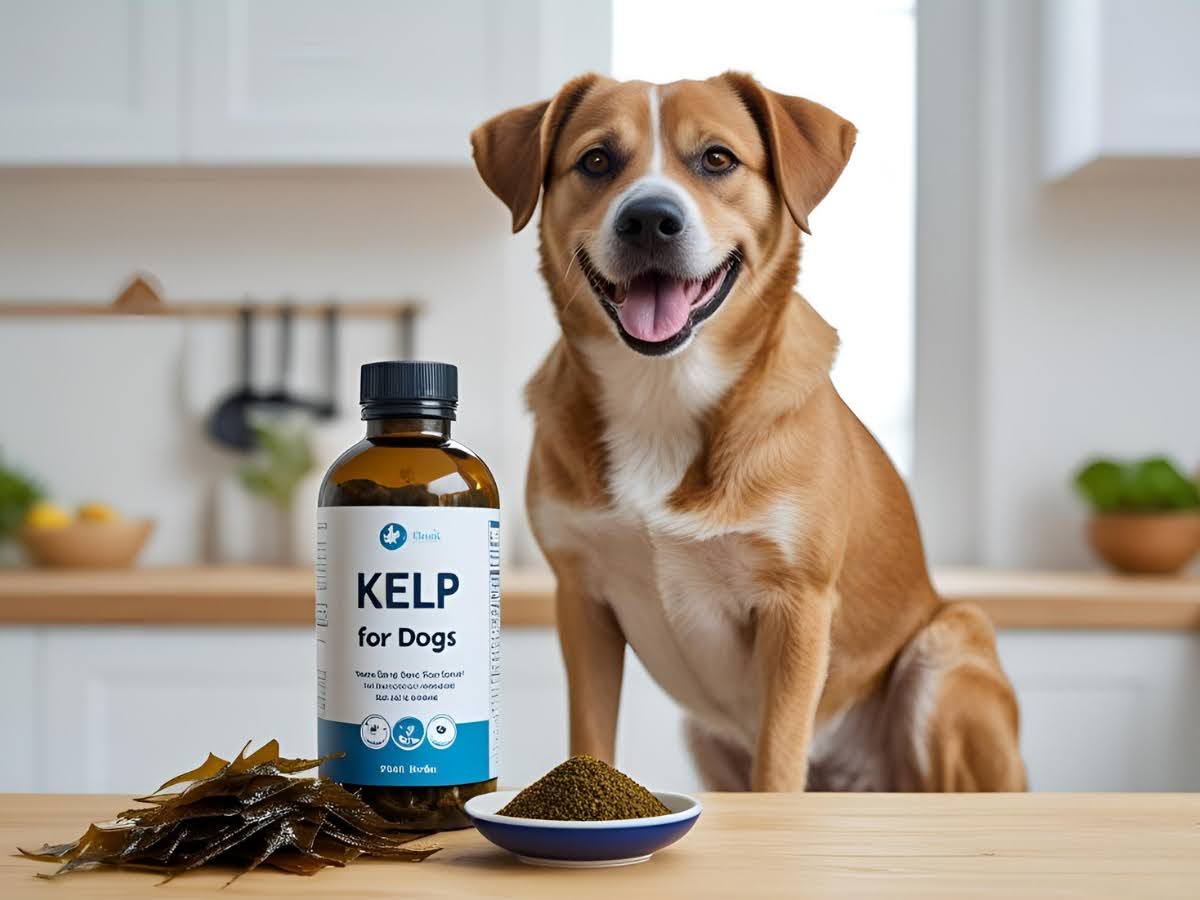
Dogs are more than pets; they’re family. As a responsible owner, it’s natural to explore ways to support their health. One natural supplement growing in popularity is kelp for dogs. You may have heard about kelp in human health routines, but it’s becoming a powerful tool in pet care too. From promoting shiny coats to supporting thyroid function, kelp brings real benefits. But just like any supplement, it’s important to understand how to use it correctly. So, this guide covers everything dog owners need to know, including benefits, dosage, risks, and how to safely add it to your dog’s diet.
What Is Kelp and Why Is It Used for Dogs?
Kelp is a type of seaweed rich in natural vitamins, minerals, and antioxidants. It contains iodine, iron, calcium, potassium, and a variety of essential trace elements. For dogs, kelp offers nutritional value that helps improve overall well-being.
You’ll often find kelp in powdered or tablet form in pet stores. It’s easy to mix into food and is well-tolerated by most breeds. Many owners use kelp for dogs to naturally support skin health, digestion, and gland function. Vitailix is an online store that offers high-quality dog supplies and supplements at highly affordable prices to optimize your dog’s health.
Health Benefits of Kelp Nutrition for Dogs
1. Supports Thyroid Function
Kelp contains natural iodine, which helps regulate the thyroid gland, a key player in your dog’s metabolism, weight, and energy. Dogs with low thyroid function may benefit from this natural support, especially breeds like Golden Retrievers and Dobermans that are more prone to thyroid issues.
2. Improves Skin and Coat Health
Rich in omega-3s, zinc, and other minerals, kelp helps soothe itchy skin and reduce flakiness. It also promotes healthy oil production, which can give your dog’s coat a shinier, softer appearance. Many pet owners notice less shedding and dryness within a few weeks.
3. Boosts Immunity
The vitamins and antioxidants in kelp—like vitamin C and E—support your dog’s immune defense. A strong immune system helps your pet fight off seasonal bugs, allergies, and minor infections more easily. It’s a natural way to give their body added protection year-round.
4. Aids Digestion
Kelp’s natural fiber supports gut health by feeding healthy bacteria in the digestive tract. This can help reduce bloating, gas, and irregular stools. Dogs with sensitive stomachs often do better with gentle, natural digestive support like kelp.
5. Supports Dental Health
Certain kelp-based supplements have been shown to break down plaque and slow tartar buildup. When added to your dog’s daily routine, these can help freshen breath and reduce dental issues, making it easier to maintain clean teeth without frequent vet cleanings.
How to Give Kelp to Your Dog?
Giving your dog kelp is simple. It’s commonly available in powder, liquid, or treat form. Always choose a product labeled safe for pets. Start with a small amount. Mix it into their regular food and watch for any changes. Some products recommend daily use, but always follow the dosage instructions provided on the label.
Recommended Dosage of Kelp for Dogs
Dosage depends on your dog’s size, breed, and health status. Here’s a general guideline:
- Small dogs (under 20 lbs): 1/8 to 1/4 teaspoon per day
- Medium dogs (20–50 lbs): 1/4 to 1/2 teaspoon per day
- Large dogs (over 50 lbs): 1/2 to 1 teaspoon per day
Always consult your veterinarian before starting a new supplement. They can help adjust the dose for your dog’s specific needs.
Safety Tips for Using Kelp
1. Avoid Overdosing
Kelp is rich in iodine, and while that’s good in small amounts, too much can lead to thyroid imbalance. Giving your dog more than the recommended dose might harm their health instead of helping. Always follow the serving guidelines on the label and never give multiple iodine-rich supplements at once.
2. Watch for Allergies
Though rare, some dogs can react to seaweed. After introducing kelp, keep an eye out for signs like an upset stomach, itching, or red skin. If you notice anything unusual, stop the supplement and consult your vet. It’s always best to start small when trying new foods or supplements.
3. Choose Pet-Safe Products
Not all kelp powders or capsules are meant for dogs. Some human-grade kelp products include added vitamins, herbs, or preservatives that may be harmful to pets. Stick to products made specifically for dogs, with clear labeling and no artificial ingredients.
4. Monitor Iodine Levels
If your dog has thyroid disease or is on medication, kelp may interfere with treatment. Iodine levels must be balanced carefully in such cases. Always check with your veterinarian before starting kelp if your dog has any underlying conditions.
Is Kelp Suitable for All Dogs?
Most healthy dogs can benefit from kelp in moderation. However, it may not be suitable for dogs with:
- Thyroid disorders
- Allergies to seaweed
- Kidney issues
- Pregnant or nursing dogs
If in doubt, always check with your vet before adding kelp for dogs into their routine.
Choosing the Right Kelp Product
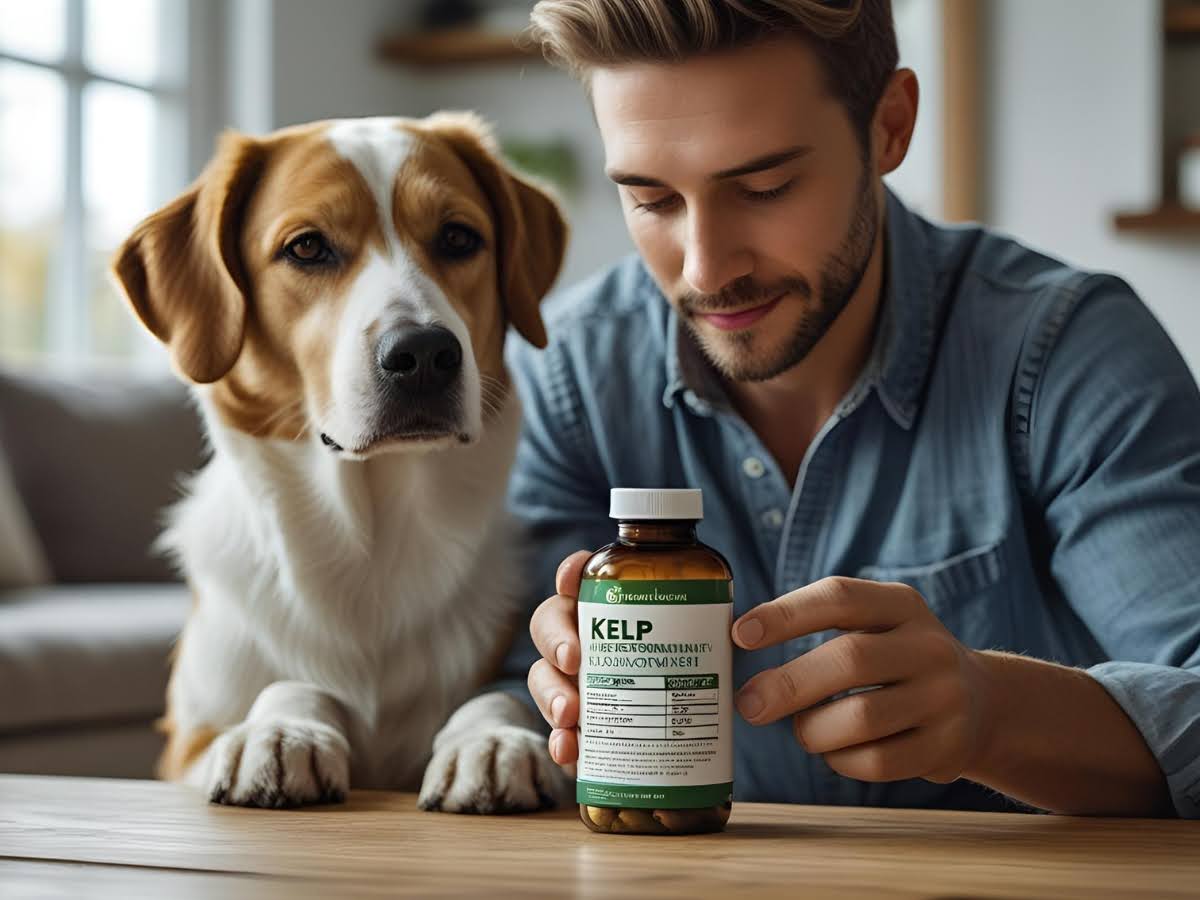
When shopping for kelp, quality matters. Look for products that are:
- Organic and sustainably harvested
- Tested for heavy metals
- Free from fillers and artificial additives
- Labeled specifically for pet use
Products from reputable brands are often worth the extra cost for peace of mind.
How Long Before You See Results?
Every dog is different. Some owners notice changes in coat shine or energy levels within a few weeks. For others, it might take a month or more. Stay consistent, and don’t exceed the dosage while waiting for results. If you are a dog owner who is dedicated to their dog’s health, then we have got you covered. Vitailix offers the highest quality dog supplies and supplements to optimize your dog’s health. Adding kelp nutrition to your pup’s meals can be a smart step toward better health when done safely and with the right guidance.
Conclusion
Kelp for dogs can be a beneficial addition to your pet’s diet. It supports immunity, skin, thyroid, and more. But it must be used responsibly. Too much iodine can cause harm, and not all dogs react the same. By starting with small amounts and watching for side effects, you can find the right balance. Always talk to your vet before starting new supplements. With the right approach, kelp can contribute to a healthier and happier dog life.
Want a safe, trusted kelp supplement for your dog? Visit Vitailix to explore high-quality, vet-approved options designed to support your pup’s overall health—naturally. Give your dog the daily nutrition they deserve with the power of kelp.
Kelp For Dogs Frequently Asked Questions
1. Is kelp for dogs safe to eat daily?
Yes, in small, measured doses, kelp is safe for most dogs. It supports thyroid health, digestion, and skin. But always consult your vet first to be sure it’s right for your pup.
2. How much kelp for dogs should I give my dog?
The general guideline is 1/8 tsp for small dogs, 1/4–1/2 tsp for medium dogs, and up to 1 tsp for large dogs. Start small and adjust with your vet’s advice.
3. Can Kelp for dogs cause side effects in dogs?
Yes. Too much iodine may upset thyroid function. Watch for signs like vomiting, diarrhea, or itchy skin. Always follow safe dosing and monitor your dog.
4. Which dogs should avoid kelp?
Dogs with thyroid problems, kidney issues, or seaweed allergies should avoid kelp. Pregnant or nursing dogs also need extra caution. Talk to your vet before use.
5. What’s the best way to give kelp to my dog?
Mix kelp powder into your dog’s food daily or try a vet-approved kelp chew. Make sure the product is labeled for pets and tested for safety.