
History of the Xoloitzcuintli The Xoloitzcuintli, or Mexican Hairless Dog, has a history spanning over 3,000 years in Mesoamerica, revered by the Aztecs and Maya as sacred companions and healers. Named after the Aztec god Xolotl, they were believed to guide souls to the afterlife and were often depicted in ancient art. Their hairless trait …

History of the Xoloitzcuintli
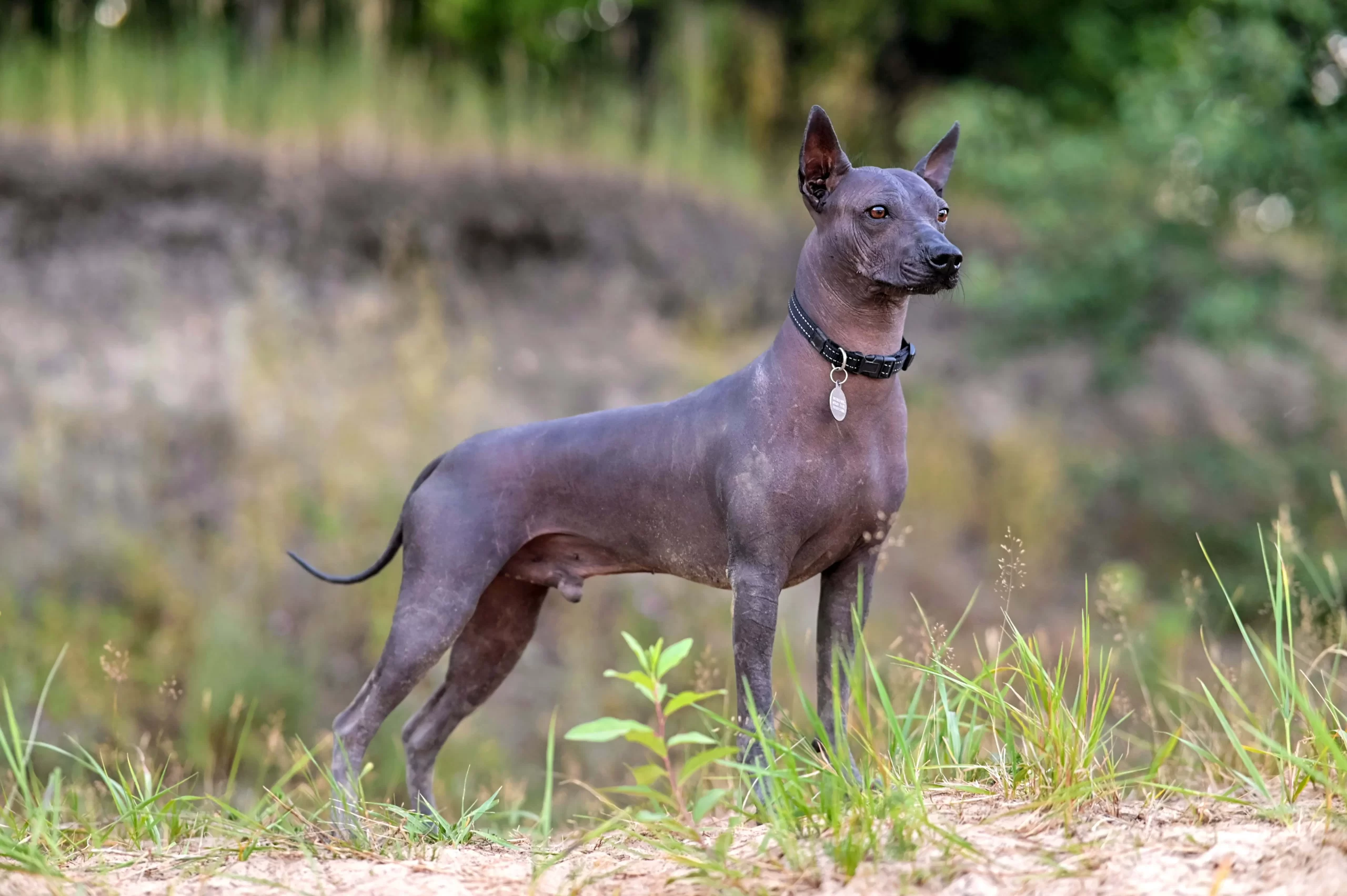
The Xoloitzcuintli, or Mexican Hairless Dog, has a history spanning over 3,000 years in Mesoamerica, revered by the Aztecs and Maya as sacred companions and healers. Named after the Aztec god Xolotl, they were believed to guide souls to the afterlife and were often depicted in ancient art. Their hairless trait suited Mexico’s warm climate, while coated varieties existed in cooler regions.
Nearly extinct by the 20th century, dedicated Mexican breeders revived the Xolo in the 1950s. Recognized by the AKC in 1887 but re-registered in 2011, they remain a rare breed, valued for their unique appearance and calm loyalty. Today, Xolos are cherished as affectionate, intelligent companions, with their hairless and coated varieties celebrated in dog shows and homes.